Recipe
Servings
Servings 1×
Ingredients
- Chicken
- Shrimp
- Rice
- Eggs
- Bread
- Spinach
- Kale
- Garlic
- Lemon
- Cream
- Butter
- Black pepper
Method
- Use heavy cream if you want a dairy-rich finish.
- Lower-fat options like milk or half-and-half are prone to forming grainy curds under heat and acid, so stick to the good stuff for the best results.
- Add your lemon zest and juice at the very end of the cooking process.
- Stir them in just as you pull the skillet off the heat.
- Use imperative techniques to keep your skillet on track:
There is a specific kind of magic that happens when you commit to one pot meals. You aren't just saving yourself from a mountain of dishes; you are creating a concentrated flavor environment where every grain of rice and every morsel of chicken absorbs the essence of the other. This creamy lemon chicken and rice skillet is my go-to for those hectic Tuesday nights when I want something that feels like a warm hug but doesn't require a culinary degree or a cleanup crew. It’s bright, it’s comforting, and it’s the ultimate solution for anyone seeking easy dinner recipes.
The Science of Creamy Foundations and Acidity
When we talk about "creamy" in a one-pot setting, we aren't just dumping a carton of cream into a pan and calling it a day. The real secret to that velvety texture lies in the rice itself. As you simmer the rice directly in the chicken broth, a process called starch gelatinization occurs. The starch molecules in the rice absorb water and expand until they eventually burst, leaching into the liquid. This creates a natural thickener that gives the sauce a body you simply can’t get if you cook the rice separately.
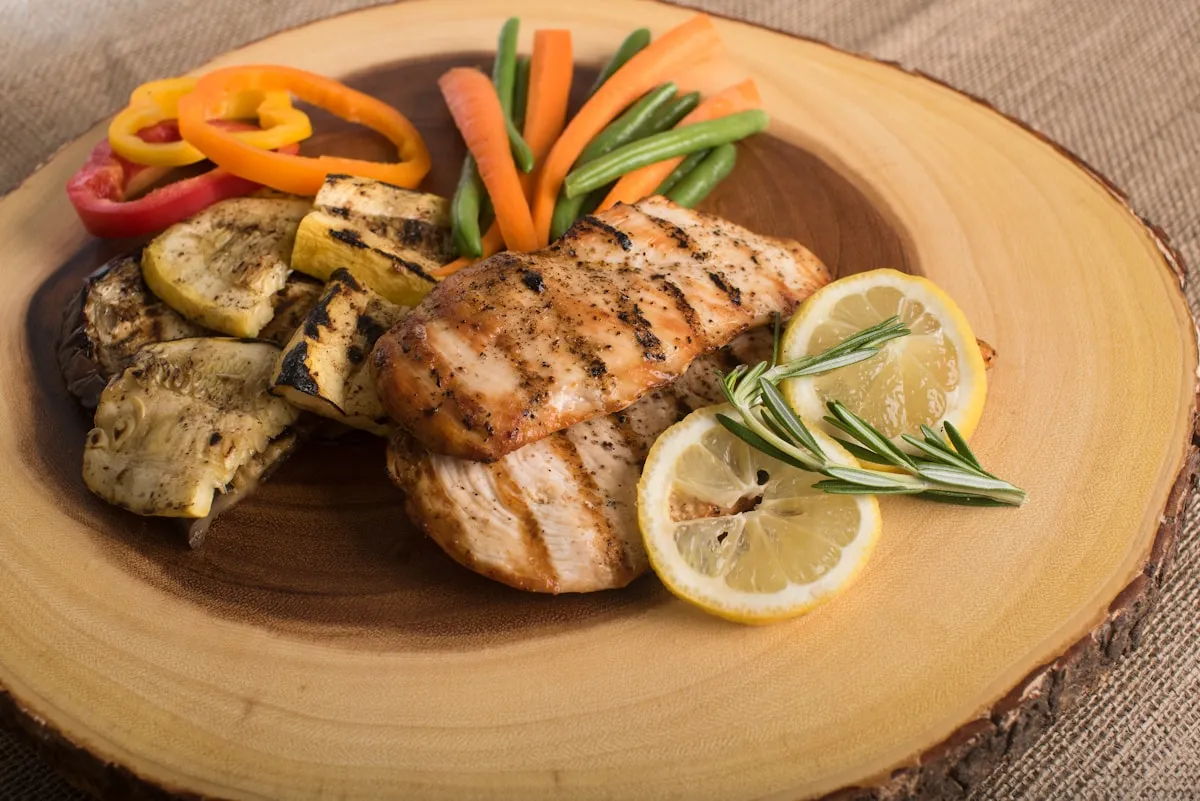
To master this dish, you must understand the delicate dance of emulsification. An emulsion is a mixture of two liquids that don't normally stay together: in this case, the fat from the chicken and butter, and the water-based chicken broth and lemon juice. To ensure your sauce is silky rather than split or oily, you need to manage your heat and your timing. Use heavy cream if you want a dairy-rich finish. Heavy cream has a higher fat content which makes it significantly more resistant to curdling when it meets the acidic lemon juice. Lower-fat options like milk or half-and-half are prone to forming grainy curds under heat and acid, so stick to the good stuff for the best results.
Timing your lemon addition is non-negotiable for flavor profile. If you boil lemon juice for twenty minutes, you lose the volatile aromatic oils that give it that "fresh" zing, leaving you with a dish that is aggressively sour but lacks brightness. Add your lemon zest and juice at the very end of the cooking process. Stir them in just as you pull the skillet off the heat. This preserves the citrus notes and ensures the acidity cuts through the richness of the chicken fat without dominating the entire flavor palette.
Mastering the sear is another critical pillar of this healthy weeknight dinners staple. Always sear your chicken in the skillet before adding your liquids. This isn't just for color; it's for the Maillard reaction. This chemical reaction between amino acids and reducing sugars creates hundreds of different flavor compounds. The browned bits left at the bottom of the pan: the fond: are pure flavor gold. When you add your broth, you deglaze the pan, incorporating those deep, savory notes directly into your rice.
Use imperative techniques to keep your skillet on track:
- Sear the chicken thoroughly. Do not crowd the pan, or the chicken will steam instead of browning.
- Toast the rice. Before adding the liquid, stir the dry rice in the hot fat for a minute. This coats the grains, preventing them from becoming a mushy porridge.
- Control the simmer. Keep the lid tight to trap steam, but ensure the heat is low enough that the bottom doesn't scorch.
- Temper your dairy. If you’re worried about curdling, whisk a spoonful of the hot broth into your cream before pouring it into the skillet.
Playful Variations for Every Palate
While the lemon-garlic-cream trio is a classic, the beauty of a one-pot skillet is its versatility. If you want to lean into a Mediterranean vibe, try an Avgolemono variation. Skip the cream entirely and instead whisk two eggs with the juice of two lemons. Temper this mixture with a ladle of hot broth from the pot before stirring it back into the skillet off the heat. This creates a thick, custard-like sauce that is incredibly light yet decadent.
For those looking to pack in more greens, stir in a few handfuls of baby spinach or chopped kale during the last five minutes of cooking. The residual steam will wilt the greens perfectly without turning them into a soggy mess. If you prefer a bit of heat, add a teaspoon of red pepper flakes during the garlic-sautéing phase. The fat in the pan will carry the capsaicin, distributing a gentle, even heat throughout the entire dish. You can also swap the chicken for shrimp, but remember that shrimp cook in a fraction of the time; add them only at the very end when the rice is nearly done.
Side Dish Pairings for Perfect Balance
Because this dish is inherently rich and creamy, your side dishes should provide a sharp contrast in texture and acidity. A crisp green salad with a sharp vinaigrette is the ideal companion. Look for greens with a bit of bite, like arugula or frisée, which can stand up to the lemon profile.
Alternatively, consider roasted cruciferous vegetables. A side of charred broccoli or roasted asparagus, perhaps prepared in your air fryer, adds a necessary crunch and an earthy bitterness that balances the buttery rice. Avoid sides that are heavy on starch, like potatoes or bread, as the rice already provides the carbohydrate heart of the meal. A simple garnish of pickled red onions can also provide a hit of acidity that makes the creamy sauce pop.
Frequently Asked Questions
Why is my rice still crunchy after the time is up?
This usually happens because the lid wasn't sealed tight enough, allowing too much steam to escape. Ensure you are using a lid that fits your skillet perfectly. If you find the rice is still hard, add a quarter cup of hot broth and continue to simmer on low for another five minutes. Never add cold water, as this drops the temperature of the pot and resets the cooking process.
Can I use brown rice instead of white?
You certainly can, but you must adjust your liquid ratios and cooking times. Brown rice requires significantly more liquid and about double the cooking time. If you go this route, sear the chicken but remove it from the pan while the rice simmers, then add the chicken back in for the final fifteen minutes so it doesn't overcook and become rubbery.
My sauce curdled! Can I fix it?
If you see small white specks or a grainy texture, your sauce has curdled. This happens if the heat was too high or the dairy was too lean. While you can't "un-curdle" the proteins, you can often mask the texture by whisking in a tablespoon of hot water or more heavy cream very vigorously. It will still taste delicious, even if the texture isn't perfectly smooth.
Is it possible to make this dairy-free?
Absolutely. Use a high-quality coconut milk (the canned, full-fat variety) or the egg-lemon tempering method mentioned in the variations section. If using coconut milk, be aware it will add a slight tropical undertone, which actually pairs beautifully with the lemon and garlic.
What is the best chicken cut to use?
I always recommend boneless, skinless chicken thighs for one-pot meals. They are far more forgiving than breasts and won't dry out during the simmering process. If you must use chicken breast, cut them into larger chunks to ensure they stay juicy while the rice finishes.
{“@type”:”BlogPosting”,”image”:”https://cdn.marblism.com/vgjFpM8xVFf.webp”,”author”:{“name”:”Cookpedia”,”@type”:”Organization”},”@context”:”https://schema.org”,”headline”:”One-Pot Meals: Creamy Lemon Chicken and Rice Skillet”,”publisher”:{“logo”:{“url”:”https://cdn.marblism.com/r31hCYxu5lk.webp”,”@type”:”ImageObject”},”name”:”Cookpedia”,”@type”:”Organization”},”description”:”Learn how to make a perfect one-pot creamy lemon chicken and rice skillet with tips on starch gelatinization, emulsification, and flavor balance.”,”datePublished”:”2026-07-19″,”mainEntityOfPage”:{“@id”:”https://cookpedia.com/blog/one-pot-lemon-chicken-rice-skillet”,”@type”:”WebPage”}}