Recipe
Servings
ahead healthy dinner ideas , prepare the sausage and pumpkin base separately, then cook the orzo close to serving time for the best texture. 1×
Serves ahead healthy dinner ideas , prepare the sausage and pumpkin base separately, then cook the orzo close to serving time for the best texture.
Ingredients
- Orzo
- Pasta
- Bread
- Kale
- Onion
- Garlic
- Lemon
- Cream
- Salt
Method
- Start with the sausage, not the pumpkin.
- Heat encourages proteins and sugars on the surface to form new aromatic compounds, which taste far more complex than simply simmered meat.
- Use a wide, heavy-bottomed pan and give the sausage room.
- Remove the cooked sausage temporarily, but keep a reasonable amount of the rendered fat in the pan.
- Stir the dry orzo through the seasoned fat until it smells lightly nutty.
- Stir regularly to keep the small pasta from settling and sticking, especially as the sauce becomes thicker.
There are nights when you want a cozy dinner, but you do not want to negotiate with three pans, a colander, and a sink full of evidence. That is where creamy pumpkin and sausage orzo earns its keep. It is comforting, savory, gently sweet, and built around one dependable idea: let the pasta cook directly in the sauce. You get the spirit of risotto, the ease of a weeknight skillet, and far less washing up. Consider this one of my favorite quick family meals for cool evenings.
Why This One-Pot Orzo Turns Creamy
Browned sausage builds the flavor foundation
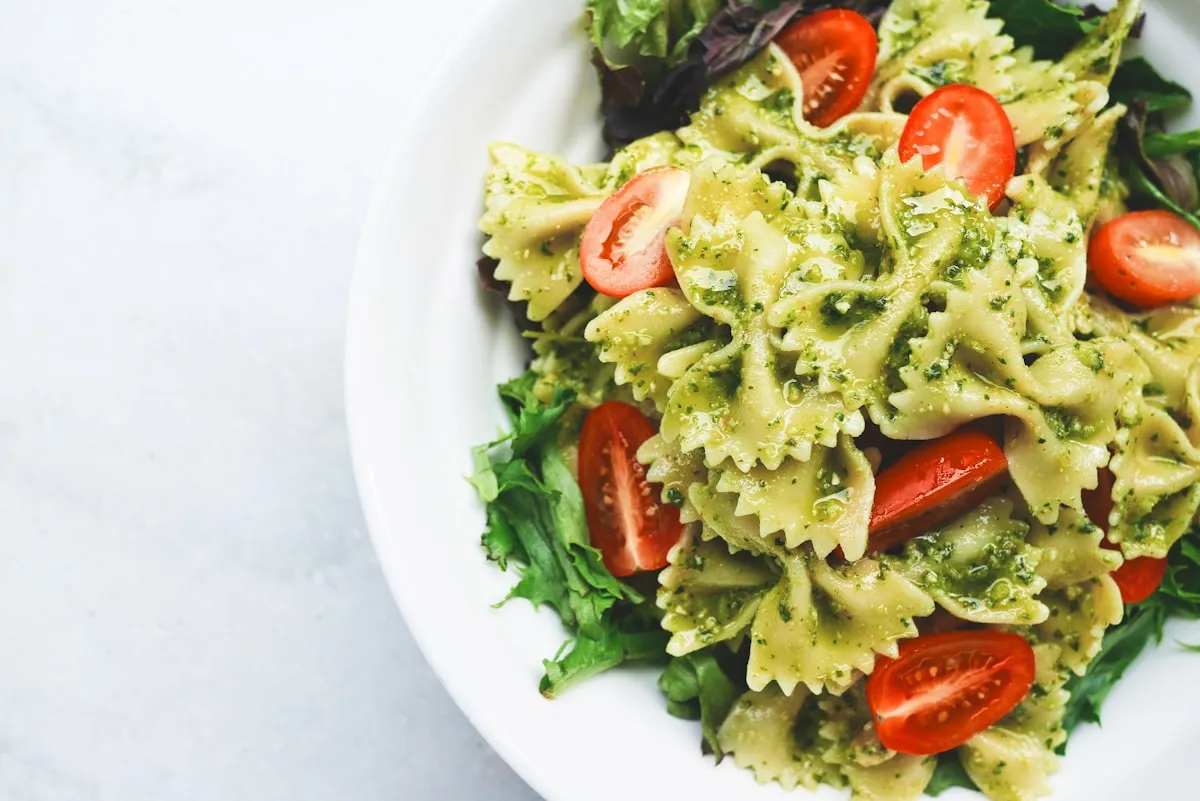
Start with the sausage, not the pumpkin. Browning creates the deep savory flavors associated with roasted and grilled foods through the Maillard reaction. Heat encourages proteins and sugars on the surface to form new aromatic compounds, which taste far more complex than simply simmered meat.
Use a wide, heavy-bottomed pan and give the sausage room. Crowding traps steam, and steam prevents browning. Aim for scattered golden-brown edges rather than perfectly uniform color. Those darker bits stuck to the pan are not mistakes; they are concentrated flavor waiting to be released.
Remove the cooked sausage temporarily, but keep a reasonable amount of the rendered fat in the pan. It carries flavor-soluble compounds from the sausage into the onion, garlic, herbs, and orzo. This is efficient cooking: one pan, several layers of flavor.
Toast the orzo before adding liquid
Do not skip the short toasting stage. Stir the dry orzo through the seasoned fat until it smells lightly nutty. Toasting gives the pasta a deeper flavor and helps its surface stay slightly more distinct as it cooks.
This is similar to the opening move in a pilaf or risotto. You are coating the starch in fat before hydration. The result is not dramatically crunchy or separate, but it is less likely to turn into one undifferentiated mound of pasta.
Keep the heat moderate. You want gentle color, not scorched grains. If the orzo starts browning aggressively, lower the heat before adding the cooking liquid.
Let starch do the thickening
The most important rule is simple: cook the orzo in the pumpkin-stock mixture instead of boiling it separately. As the pasta heats, its starch granules absorb liquid, swell, and release some starch into the surrounding sauce. That released starch thickens the liquid and gives it a velvety texture.
In a traditional pasta pot, much of that starch disappears down the drain. Here, it stays in the pan and works for you. Stir regularly to keep the small pasta from settling and sticking, especially as the sauce becomes thicker.
Use a gentle simmer rather than a furious boil. High heat drives off liquid too quickly, leaving you with undercooked orzo and a sauce that has tightened before the pasta is ready. Medium-low heat gives the grains time to hydrate evenly while the pumpkin and stock reduce around them.
For more one-pan inspiration, browse Cookpedia’s collection of one-pot meals, including ideas built around the same pan-to-plate strategy.
Pumpkin adds body, not just autumn color
Pumpkin puree contributes more than sweetness and a cheerful orange hue. Its fiber and pectin increase viscosity, giving the sauce body before dairy or cheese enters the picture. That is why the finished orzo can feel rich without needing a heavy pour of cream.
Choose plain pumpkin puree rather than pumpkin pie filling. The latter contains sugar and warming spices designed for dessert, which can send a savory dinner in a very confusing direction.
Pumpkin can also soften the perception of salt and spice. Taste near the end and adjust carefully. Add seasoning in small increments, then balance the natural sweetness with a bright finishing note. A little lemon juice or vinegar can make the whole dish taste more alive without making it sour.
Finish the emulsion gently
Creaminess is a team effort between pasta starch, pumpkin solids, sausage fat, dairy, and cheese. Together, they help disperse fat through the watery part of the sauce. That creates a smooth emulsion instead of a puddle of grease sitting on top.
Protect that emulsion by lowering or switching off the heat before adding the final dairy and cheese. High heat can cause milk proteins to tighten and separate, particularly in a thick sauce. Stir steadily and let residual heat finish the job.
Return the sausage at the end so it warms through without becoming dry. Fold in greens or fresh herbs after the pan leaves the heat; the remaining warmth will wilt them while preserving more color and freshness.
This pan-to-plate finish also appears in Cookpedia’s One-Pot Sausage and Kale Orecchiette, another useful example of letting pasta, sauce, and protein finish together.
Variations That Keep the Dish Balanced
Make it lighter
Use a leaner sausage and increase the greens or mushrooms for more volume. Keep the pumpkin as the main source of body, then use a smaller amount of cheese for savory depth. You will still get a satisfying texture because the pasta starch and pumpkin are doing much of the thickening.
For more ideas in this direction, explore Cookpedia’s healthy recipes, where vegetables and simple cooking methods do plenty of heavy lifting.
Make it vegetarian
Replace the sausage with browned mushrooms, white beans, or plant-based sausage. Mushrooms are particularly effective because their browned edges bring savory, almost meaty notes. Use vegetable stock and add a pinch of smoked paprika or fennel seed if you miss the sausage’s aromatic character.
Make it spicy
Choose hot Italian sausage, add chili flakes, or finish the bowl with chili oil. Balance the heat with lemon and a cool spoonful of plain yogurt. Do not pile on every spicy ingredient at once; choose one main heat source and let the pumpkin remain recognizable.
Make it dairy-free
Use a flavorful olive oil finish and a spoonful of unsweetened plant cream. Nutritional yeast can add a cheese-like savory note, while blended white beans can reinforce the sauce’s body. Check the sausage label, since some varieties contain dairy.
Use roasted squash instead
Roasted butternut squash brings a deeper, more caramelized flavor than canned pumpkin. Blend it with some stock until smooth before adding it to the pan. This takes a little more preparation, but it is a smart weekend variation when you want extra sweetness and roasted flavor.
Side Dish Pairings That Cut Through the Richness
Pair this orzo with something fresh, crisp, or acidic. A simple arugula salad with lemon dressing is my first choice because peppery greens and bright acidity cut through the creamy sauce. Add sliced apples or pears if you want a sweet, crunchy contrast.
Steamed green beans, roasted broccoli, or shaved Brussels sprouts also work well. Keep their seasoning clean and light; the orzo already brings plenty of savory richness.
For a cool-weather table, serve a small portion of roasted vegetables alongside rather than another starch. Bread is tempting, but the orzo already covers the comfort-food department. If you are planning several quick family meals, save the extra bread for dipping into a soup night.
Even a spoonful of pickled onions or a sharp herb salad can make the plate feel more balanced. Think contrast, not competition: the side dish should wake up the creamy main course.
Frequently Asked Questions
Can I use regular rice instead of orzo?
Not as a direct swap. Orzo is pasta, while rice releases starch differently and absorbs liquid at a different rate. Short-grain rice may work with a redesigned liquid ratio and longer cooking time, but long-grain rice can leave the sauce thin while the grains cook. Use orzo for the most reliable texture.
Why did my orzo stick to the bottom?
The pan was probably too hot, too dry, or left unstirred for too long. Pumpkin thickens the cooking liquid as it heats, so the bottom can catch quickly. Lower the heat, stir more often, and add a small splash of warm stock if the mixture tightens before the pasta is tender. Use a heavy pan if possible because it distributes heat more evenly.
What if the sauce is too thick?
Add warm stock or water a little at a time and stir thoroughly. The pasta continues absorbing liquid after cooking, so aim for a sauce that looks slightly looser than your final serving texture. Do not dump in a large amount all at once; you may dilute the flavor and overshoot the consistency.
What if the sauce is too thin?
Keep the pan uncovered over low heat and stir until excess moisture evaporates. Check the orzo first. If it is still firm, continue cooking gently rather than reducing aggressively. If the pasta is already tender, a small amount of Parmesan, pumpkin puree, or a brief resting period can add body.
Can I make it ahead?
Yes, but expect the orzo to absorb more sauce as it sits. Refrigerate leftovers promptly in a shallow container and reheat gently with a splash of stock or milk. Stir often while reheating. Avoid blasting it over high heat, which can make the pasta mushy and cause the dairy-based sauce to split.
How do I know the sausage is safely cooked?
Use a thermometer rather than relying only on color. Ground pork or beef sausage should reach 160°F (71°C), while poultry sausage should reach 165°F (74°C). Check the thickest piece. Browned edges are excellent for flavor, but they are not a reliable safety test.
Can I add vegetables directly to the pan?
Yes, but consider their water content and cooking time. Mushrooms should be browned early so they do not waterlog the sauce. Tender greens can go in at the end. Dense vegetables may need to be cooked partially before joining the orzo. Add too many watery vegetables at once and you may turn a creamy sauce into soup.
Is this suitable for meal prep?
It is best fresh, but it can still support a busy week. Portion leftovers while they are warm, cool them promptly, and loosen each serving during reheating. For genuinely make-ahead healthy dinner ideas, prepare the sausage and pumpkin base separately, then cook the orzo close to serving time for the best texture.
Can I make this without sausage?
Absolutely. Use mushrooms, lentils, white beans, or a plant-based sausage for a satisfying meat-free version. Add extra herbs and a bright finishing acid so the pumpkin does not taste flat. For anyone searching air fryer recipes dinner ideas, crisped chickpeas or roasted cauliflower from the air fryer make an excellent topping for this stovetop version.
Creamy pumpkin and sausage orzo is a small lesson in efficient cooking: brown for flavor, toast for depth, simmer gently for starch, and finish softly for a smooth sauce. Follow those non-negotiables, and one pan will give you a dinner that tastes far more elaborate than it actually is.