Recipe
Servings
Servings 1×
Ingredients
- Chicken
- Salmon
- Shrimp
- Steak
- Chickpeas
- Pasta
- Rice
- Greek yogurt
- Potatoes
- Sweet potatoes
- Cauliflower
- Broccoli
- Carrots
- Spinach
- Cucumber
- Avocado
- Onion
- Garlic
Method
- Use a large rimmed baking sheet, preferably a half-sheet pan, to give every ingredient enough breathing room for the oven's hot air to circulate.
- Start by searing your aromatics, onions, garlic, ginger, in a little oil to create a flavor base.
- Use hearty vegetables like sweet potatoes, cauliflower, or Brussels sprouts that can handle the 20-30 minutes it takes for a protein to roast.
- Add "finishing" ingredients after the cooking is done.
- Use two pans if you have to, and ensure your oven is preheated to at least 400°F (200°C).
- Start your hard root vegetables (potatoes, carrots) on the sheet pan first for 10-15 minutes, then add your quick-cooking proteins (shrimp, thin chicken cutlets) for the final stretch.
Choosing between a one-pot wonder and a sheet-pan sensation is the ultimate weeknight dilemma. You’re tired, the kids are hungry, and the last thing you want is a mountain of dishes. Both methods promise speed and efficiency for your quick family meals, but they aren't created equal. One relies on the magic of steam and submerged heat, while the other leans into the power of the oven’s dry air. I’ve spent years testing both to see which actually delivers on the promise of "easy." Here is the breakdown of which method wins for your kitchen.
The Physics of the Pan: Why Your Choice Matters
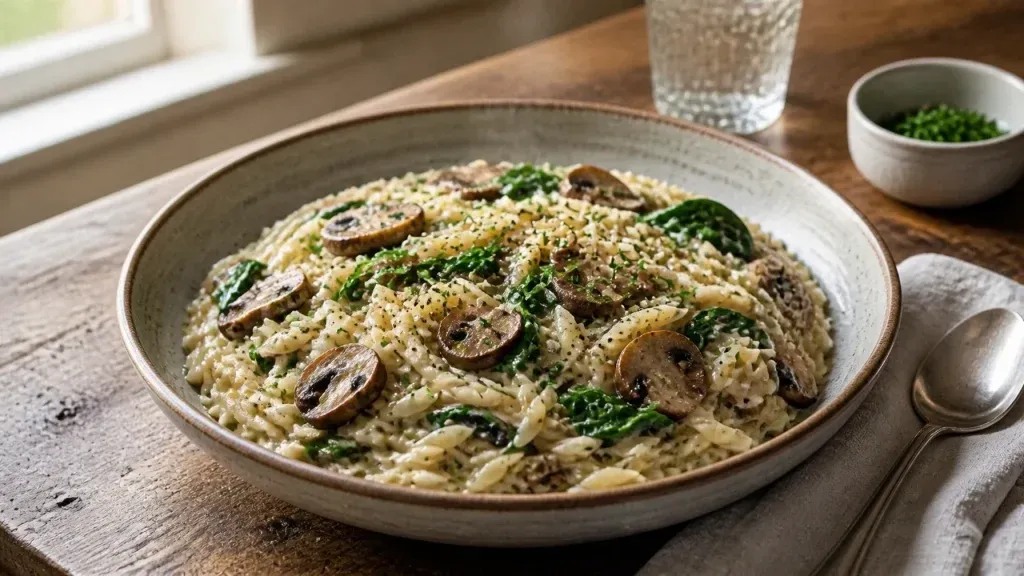
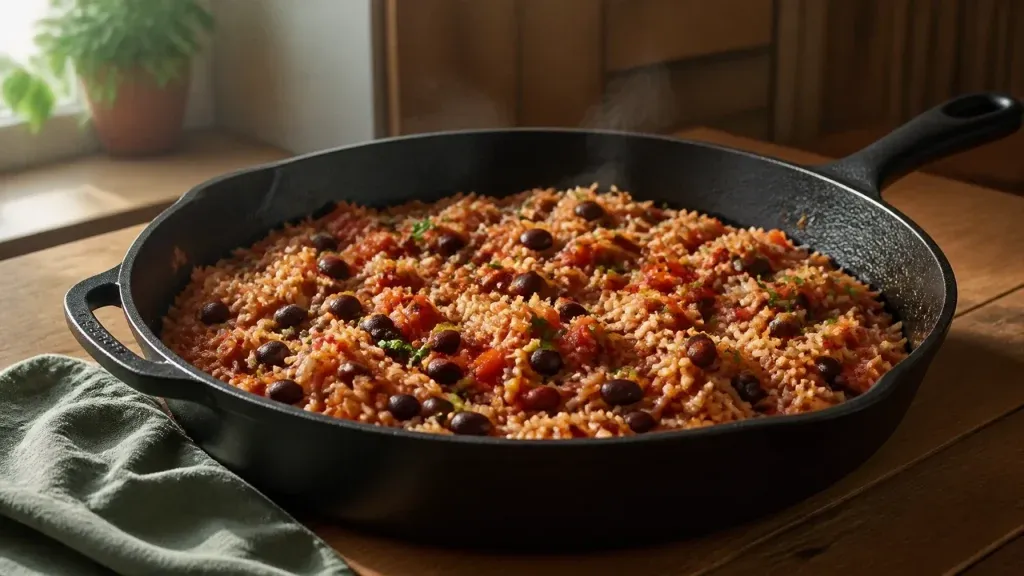
To master quick healthy meals, you need to understand the science of heat transfer. One-pot cooking and sheet-pan roasting are fundamentally different physical processes. When you use a pot or a deep sauté pan, you are primarily dealing with conduction and liquid convection. The heat travels from the burner to the bottom of the pot, then through the liquid to your food. This creates a humid environment that is perfect for breaking down tough fibers and keeping lean proteins like chicken breast or white fish incredibly succulent.
If you want the best results, use a heavy-bottomed pot. Stainless steel with an aluminum or copper core is my go-to because it distributes heat evenly across the base, preventing those annoying hot spots that scorch your rice or pasta. If you’re simmering a stew, keep the lid on. This traps steam, increasing the internal pressure slightly and ensuring that everything from carrots to chickpeas cooks at a uniform temperature.
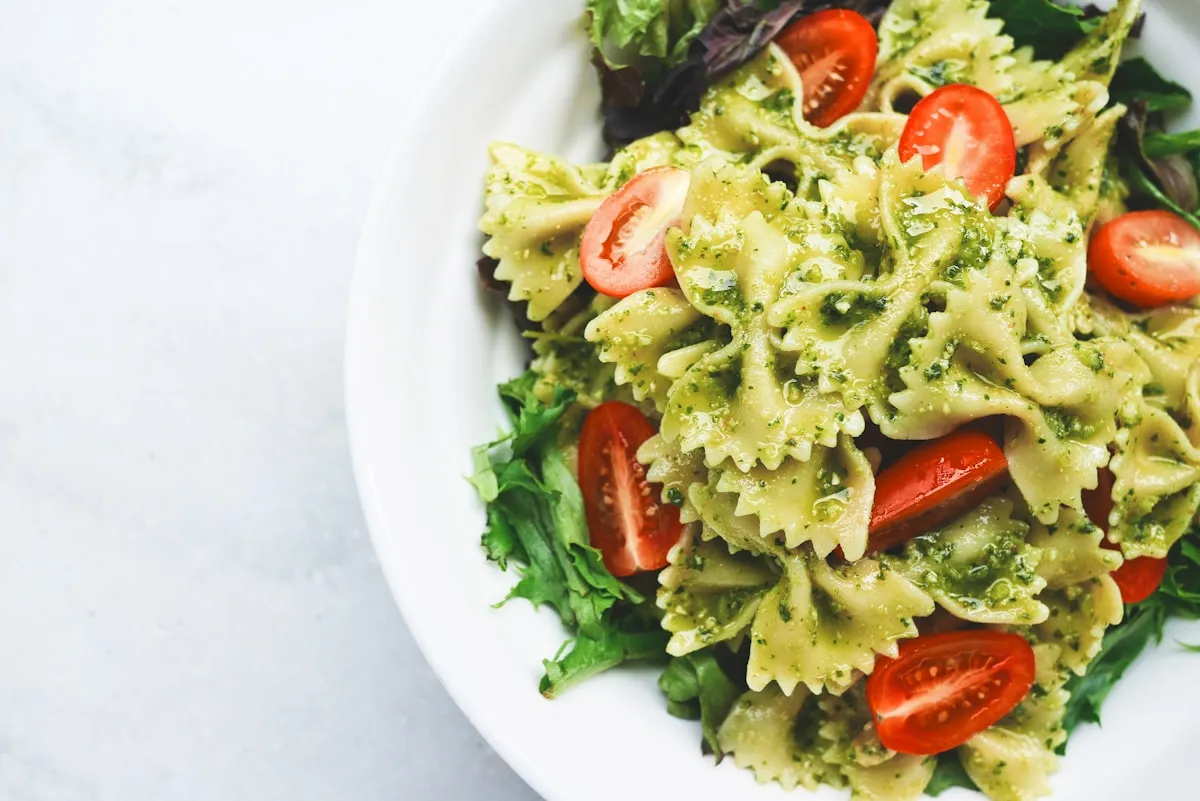
Sheet-pan dinners, on the other hand, are all about the Maillard reaction. This is the chemical reaction between amino acids and reducing sugars that gives browned food its distinctive flavor. Because a sheet pan is shallow and uncovered, it allows moisture to evaporate rapidly. This dry heat is your best friend if you want crispy edges on your roasted broccoli or a caramelized crust on a salmon fillet.
Avoid crowding the pan at all costs. When you overlap ingredients, you trap moisture between them, which leads to steaming rather than roasting. You’ll end up with soggy veggies instead of crisp ones. Use a large rimmed baking sheet, preferably a half-sheet pan, to give every ingredient enough breathing room for the oven's hot air to circulate. This is the secret to successful healthy dinner ideas that actually taste like they came from a restaurant.
Check your pan material here too. Thin, flimsy pans warp at high temperatures and distribute heat poorly. Invest in a heavy-gauge aluminum pan; it’s a workhorse that won't let you down. If you’re looking for a middle ground between these two, some air fryer recipes dinner options provide that sheet-pan crispiness with even faster convection, though they often limit the volume you can cook at once.
Choose Your Adventure: Flavor Variations
The beauty of these two methods lies in their versatility. For one-pot meals, think about "buildable" flavors. Start by searing your aromatics, onions, garlic, ginger, in a little oil to create a flavor base. If you’re leaning toward Mediterranean vibes, deglaze the pan with a splash of white wine or lemon juice before adding your grains and liquids. This acidity cuts through the richness and brightens the entire dish.
Sheet-pan dinners thrive on high-impact rubs and marinades. Since you won't have a sauce to hide behind, every ingredient needs to be seasoned well. Use hearty vegetables like sweet potatoes, cauliflower, or Brussels sprouts that can handle the 20-30 minutes it takes for a protein to roast. If you're doing a plant-based dinner, toss chickpeas and cauliflower in smoked paprika and cumin for a smoky, earthy profile that gets even better as it chars.
Don't be afraid to mix textures. Add "finishing" ingredients after the cooking is done. A handful of fresh arugula or a dollop of Greek yogurt can transform a heavy one-pot pasta into something light and refreshing. On a sheet pan, a sprinkle of toasted nuts or a zest of lime right before serving adds the necessary "pop" to rounded-out roasted flavors.
The Perfect Balance: Side Dish Pairings
Even the best one-pot meal or sheet-pan dinner occasionally needs a partner to balance the plate. The goal here is contrast. If your main dish is a rich, creamy one-pot pasta, you need something acidic and crunchy to reset your palate.
- For Rich One-Pot Meals: Pair with a simple shaved fennel or cucumber salad dressed in a sharp vinaigrette. The crunch and acidity provide a necessary break from the soft textures of a simmered dish.
- For Roasted Sheet-Pan Dinners: These are often "drier" by nature, so pair them with something hydrating. A cold, herb-heavy yogurt dip or a simple side of steamed greens with a squeeze of lemon works wonders.
If you've gone the keto route, focus on high-fat, low-carb pairings. Sliced avocado or a side of buttery sautéed spinach can turn a simple sheet-pan steak into a feast. The key is to ensure your side dish doesn't require more pans, keep it to a simple bowl or a "no-cook" salad to maintain the low-mess spirit of the meal.
Troubleshooting Your Kitchen: FAQ
Why are my sheet-pan vegetables always mushy?
You are likely overcrowding the pan or using too much oil. When vegetables are packed tightly, the moisture they release has nowhere to go, so it stays around the food and steams it. Use two pans if you have to, and ensure your oven is preheated to at least 400°F (200°C). High heat is essential for rapid evaporation.
Can I cook pasta directly in a one-pot dish?
Yes, but you must monitor the liquid-to-pasta ratio closely. Pasta releases starch as it cooks, which thickens the sauce. This is great for creaminess, but if you don't have enough liquid, the pasta will absorb it all and become a gummy mess before it's actually tender. Always have a bit of extra broth or water on standby.
Is one method healthier than the other?
Both are excellent for healthy dinner ideas. However, sheet-pan roasting often requires slightly more oil to prevent sticking and encourage browning. One-pot cooking allows you to use more water, broth, or tomato juice as the cooking medium, which can lower the overall fat content if that is your goal.
What if my meat is done but my vegetables are still hard?
This is a classic "timing" issue. Practice "staggered" cooking. Start your hard root vegetables (potatoes, carrots) on the sheet pan first for 10-15 minutes, then add your quick-cooking proteins (shrimp, thin chicken cutlets) for the final stretch. In a one-pot setting, add delicate greens like spinach only in the last two minutes of cooking.
Do I need special equipment for these?
Not necessarily, but quality helps. A heavy Dutch oven is the king of one-pot cooking because of its thermal mass. For sheet pans, avoid the thin "non-stick" versions that peel over time. A standard aluminum "baker's half sheet" is cheap, durable, and provides the best heat conduction for consistent results. If you are short on time, checking out quick healthy meals can give you more ideas on how to use what you already have.
{“@type”:”BlogPosting”,”image”:”https://cdn.marblism.com/content/one-pot-vs-sheet-pan-hero.webp”,”author”:{“name”:”Penny”,”@type”:”Person”},”@context”:”https://schema.org”,”headline”:”One Pot Meals Vs Sheet Pan Dinners: Which Is Better For Your Quick Healthy Meals?”,”publisher”:{“logo”:{“url”:”https://cookpedia.com/logo.png”,”@type”:”ImageObject”},”name”:”Cookpedia”,”@type”:”Organization”},”mainEntity”:[{“name”:”Why are my sheet-pan vegetables always mushy?”,”@type”:”Question”,”acceptedAnswer”:{“text”:”Mushy vegetables are usually caused by overcrowding the pan or using too much oil. Crowding traps steam. Use a large pan and high heat (at least 400°F) to ensure moisture evaporates quickly.”,”@type”:”Answer”}},{“name”:”Can I cook pasta directly in a one-pot dish?”,”@type”:”Question”,”acceptedAnswer”:{“text”:”Yes, cooking pasta in the sauce is a great way to use the natural starches to thicken the dish. Just ensure you maintain the right liquid-to-pasta ratio so it doesn’t become gummy.”,”@type”:”Answer”}},{“name”:”What is the Maillard reaction?”,”@type”:”Question”,”acceptedAnswer”:{“text”:”The Maillard reaction is a chemical reaction between amino acids and reducing sugars that gives browned food its distinctive flavor. It requires dry heat and temperatures above 285°F.”,”@type”:”Answer”}}],”description”:”A deep dive into the science and technique of one-pot vs. sheet-pan cooking to help you decide which is best for your quick family meals.”,”datePublished”:”2026-07-03″,”mainEntityOfPage”:{“@id”:”https://cookpedia.com/one-pot-vs-sheet-pan”,”@type”:”WebPage”}}