Recipe
Servings
Servings 1×
Ingredients
- Pasta
- Rice
- Bread
- Tomatoes
- Onion
- Garlic
- Lemon
- Feta
- Cooking oil
- Black pepper
Method
- Use a medium-low heat and keep those grains moving.
- Start with your aromatics.
- Sautéing onions and garlic until they are translucent isn't enough; you want to see those golden edges.
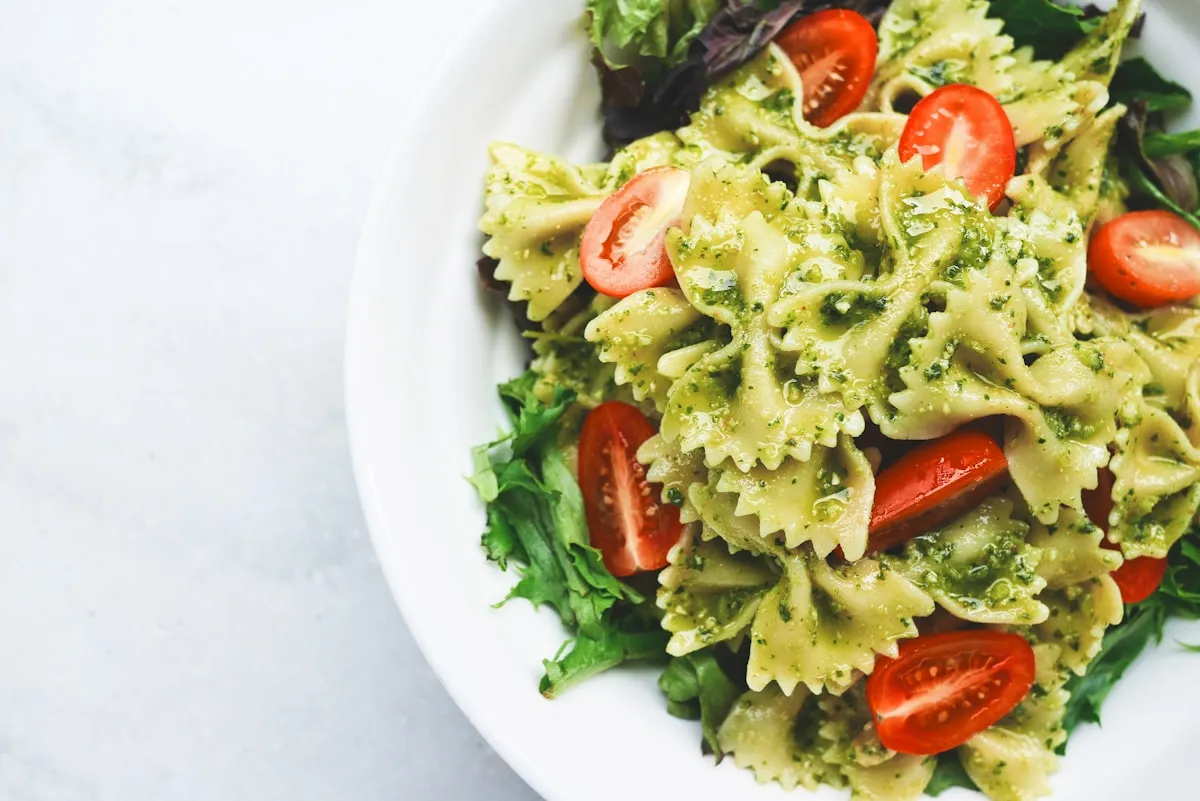
If you have fifteen minutes and a single skillet, you are officially out of excuses for ordering takeout. My blog is all about stripping away the complexity of "gourmet" cooking and leaning into the chemistry of flavor. This Mediterranean couscous is the epitome of efficiency, turning a handful of pantry staples into a textured, vibrant meal that feels like a coastal holiday. We are talking about maximum impact with minimal cleanup, making it a staple for anyone hunting for quick healthy meals.
The Physics of Fluff: Why Your Couscous Is Currently a Sad Brick
Most people treat couscous like rice or pasta, boiling it into oblivion until it resembles a damp sponge. Here is the first thing you need to understand: couscous isn't a grain. It is pasta, specifically, tiny pellets of rolled durum wheat semolina. Because these granules are so small, they possess a massive surface-area-to-volume ratio. This means they hydrate almost instantly, but it also means they are incredibly susceptible to "starch blowouts" if handled with too much aggression.
The Maillard Reaction and the Pre-Toast
Before you even think about adding liquid, you must toast your dry couscous. This isn't just for a pretty color; it's about the Maillard reaction. By heating the dry semolina in a touch of olive oil, you trigger a chemical reaction between the amino acids and reducing sugars. This creates a nutty, complex aroma that raw couscous simply lacks.
More importantly, toasting creates a microscopic "hydrophobic" shield around each grain. This slows down the initial water absorption, preventing the outer layer from gelatinizing into a sticky mess before the core is hydrated. Use a medium-low heat and keep those grains moving. Avoid the temptation to walk away; the line between "toasted" and "burnt" is thinner than a piece of parchment paper.
Capillary Action and the Hydration Curve
When you finally add your liquid, you aren't "boiling" the couscous in the traditional sense. You are using residual heat to drive capillary action. The hot liquid travels into the porous center of each granule. If the water is at a rolling boil, the starch granules on the surface explode, releasing amylopectin, which acts like glue. This is how you end up with a clump.
The secret to one pot meals that actually work is controlling this hydration. Once your aromatic base (onions, garlic, spices) is simmering with your stock and tomatoes, you turn the heat off before stirring in the couscous. Cover the pot tightly. This traps the steam, allowing the temperature to hover around 75–80°C (167–176°F), the sweet spot for starch gelatinization without the structural collapse.
Building the Flavor Matrix: Aromatics and Acids
A great meal is a balance of chemistry. You have the richness of the olive oil and the saltiness of the feta, which means you need high-voltage acidity to cut through. We achieve this through two stages: the cooked acid (tomatoes) and the fresh acid (lemon juice).
Start with your aromatics. Sautéing onions and garlic until they are translucent isn't enough; you want to see those golden edges. This is where your flavor foundation lives. If you are a fan of air fryer recipes dinner, you know that concentrated heat equals concentrated flavor. The skillet does the same thing here. Bloom your spices, cumin, paprika, and maybe a pinch of red pepper flakes, directly in the oil. Spices are fat-soluble, meaning their flavor compounds (like cumin’s cuminaldehyde) are released more effectively in hot oil than in boiling water.
Variations: Texture, Protein, and the "Crunch" Factor
While the chickpea and feta version is a classic, the beauty of these quick family meals lies in their versatility. The goal is always to balance soft, fluffy couscous with something that offers resistance.
- The Protein Swap: If you want more heft, brown some diced chicken thighs or crumbled lamb sausage in the pot before starting the onions. The rendered fat will carry the spice flavors even deeper into the couscous.
- The Green Boost: Stir in a handful of baby spinach or chopped kale right after you turn off the heat. The residual steam will wilt the greens perfectly without turning them into a mushy gray mess.
- Textural Contrast: Never underestimate the power of a garnish. Toasted pine nuts or slivered almonds provide a structural "snap" that contrasts beautifully with the soft feta and tender couscous.
- The Brine Element: If feta isn't your thing, swap it for chopped Kalamata olives or capers. These provide a similar "acidic salt" profile that prevents the dish from feeling too heavy or one-dimensional.
For those focusing on healthy dinner ideas, adding roasted bell peppers or zucchini (perhaps left over from a previous night's sausage and pepper medley) is a fantastic way to increase the fiber content without adding extra pots to the sink.
Side Dish Pairings: Finding the Equilibrium
Since this is a one-pot powerhouse, your side dishes should be light and high in contrast. You don't want another starch; you want something that cleanses the palate.
A simple arugula salad is the gold standard here. The peppery bite of raw arugula (thanks to the compound erucin) provides a sharp contrast to the warm, spiced couscous. Dress it simply with lemon and a high-quality olive oil.
Alternatively, a cold cucumber and mint salad works wonders. The cooling effect of menthol in the mint acts as a biological counterweight to the warmth of the cumin and paprika. If you are hosting a larger gathering, serving this alongside a larger celebratory spread ensures that there is a "safe" but exciting vegetarian option for everyone at the table.
FAQ: Science-Based Troubleshooting
Why is my couscous crunchy in the middle?
You likely didn't use enough liquid or your pot lid wasn't tight enough. If steam escapes, the hydration process stops. If this happens, don't panic. Sprinkle two tablespoons of boiling water over the top, cover it again, and let it sit for another three minutes. Do not turn the heat back on!
How do I stop the feta from disappearing?
Feta is a high-acid cheese, but it still melts if agitated too much while hot. Fold it in after you have fluffed the couscous with a fork. This ensures you get distinct, creamy pockets of cheese rather than a murky, salty sauce.
Can I use Israeli (pearl) couscous instead?
No. This is a common mistake. Pearl couscous is much larger and requires a "simmer-while-covered" approach for about 8-10 minutes. The instant couscous used in this one-pot method relies purely on residual heat. If you use pearl couscous here, you’ll be eating tiny wheat bullets.
Can I make this as part of my weekly meal prep?
Absolutely. Because couscous is pasta, it holds its structure well. However, it will continue to absorb moisture in the fridge. When reheating, add a tiny splash of water and a squeeze of fresh lemon to "wake up" the starches and acidity. It’s one of the best healthy dinner ideas for a busy Wednesday lunch.
Why use a fork instead of a spoon to fluff?
A spoon has a large surface area that compresses the grains, leading to clumping. A fork has tines that act like tiny combs, separating the individual granules and allowing air to move between them. This air is what makes the dish feel "light" rather than dense.
If you love the efficiency of one pot meals, this Mediterranean variation will quickly become your weeknight hero. It’s fast, it’s scientifically sound, and it tastes like you actually spent an hour in the kitchen. Now, get your skillet out and start toasting!