Recipe
Servings
Servings 1×
Ingredients
- Chicken
- Lentils
- Chickpeas
- Penne
- Pasta
- Noodles
- Rice
- Bread
- Mushrooms
- Spinach
- Corn
- Garlic
- Lemon
- Balsamic vinegar
- Tahini
- Cream
- Butter
- Cooking oil
Method
- Use a heavy-bottomed pot or a deep skillet to ensure even heat distribution.
- Use cremini or baby bella mushrooms for a deeper, more savory profile than standard white buttons.
- Sear them until they are golden brown and have released their water.
- Use this browning stage to toast your aromatics too.
- Fold in your fresh baby spinach leaves.
- Use it to swipe up the last remnants of that starchy, mushroom-infused sauce from the bottom of your bowl.
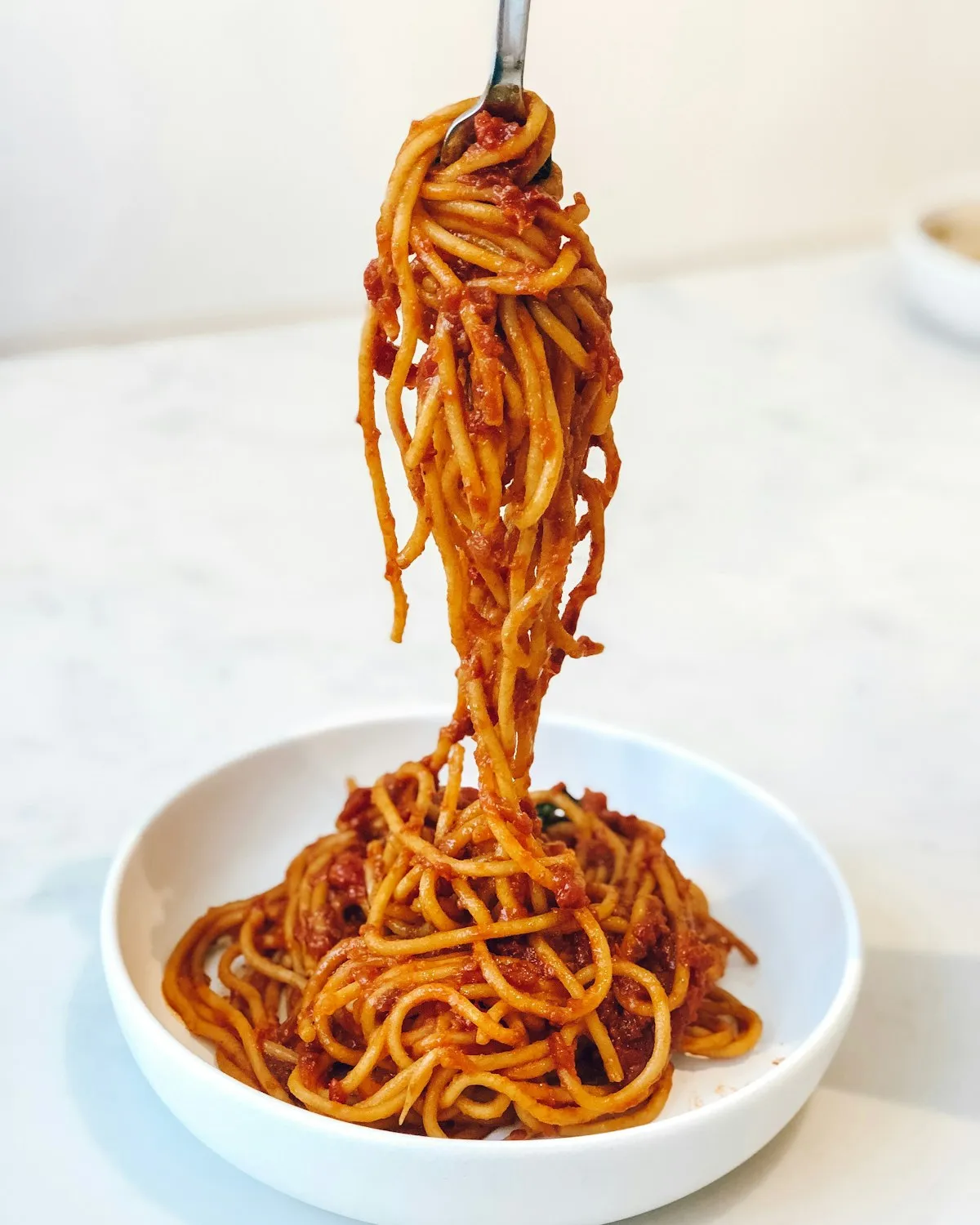
If you have ever stared at a pile of dirty dishes after cooking a "simple" dinner and wondered where your life went wrong, I have some good news for you. You do not need three pans, a colander, and a sous-chef to put a gourmet meal on the table. Welcome to the world of one pot meals, where the magic happens in a single vessel and the cleanup takes less time than the actual eating. This creamy mushroom and spinach pasta is my go-to for those nights when I want comfort without the chaos. It is elegant, earthy, and ridiculously efficient.
The Magic of Starch: Why One-Pot Works
The biggest mistake people make with pasta is thinking they need a giant pot of boiling water and a strainer. Forget that. When you cook pasta in a limited amount of liquid, just enough to be absorbed, you are essentially conducting a science experiment in your kitchen. As the noodles soften, they release their surface starches directly into the cooking liquid. In a traditional setup, you would pour that "liquid gold" down the drain. Here, we keep it.
That starch acts as a natural emulsifier. It binds the fats, the broth, and the juices from the mushrooms into a velvety sauce that clings to every strand of pasta. You get a creaminess that usually requires a heavy hand with butter or heavy cream, but here, it is built from the ground up. Use a heavy-bottomed pot or a deep skillet to ensure even heat distribution. This prevents the pasta from sticking to the bottom while the liquid reduces. Stir frequently. This is non-negotiable. If you walk away to scroll through your phone, you will end up with a burnt layer of starch on the base of your pan. Constant movement encourages more starch release and guarantees a uniform texture.
Mastering the Sauté for Deep Flavor
Before the pasta even enters the scene, you have to build a foundation. Mushrooms are little sponges, and they behave differently depending on how you treat them. If you crowd them in a cold pan, they will steam and turn rubbery. Avoid this at all costs. You want a hot surface and enough space for moisture to escape. Use cremini or baby bella mushrooms for a deeper, more savory profile than standard white buttons.
Sear them until they are golden brown and have released their water. This is where the umami, that deep, savory "fifth taste", comes from. Once the mushrooms are caramelized, they provide a meaty texture that makes these quick family meals feel substantial even without animal protein. Use this browning stage to toast your aromatics too. Garlic and shallots should hit the pan only after the mushrooms have done their heavy lifting; otherwise, the garlic will burn before the mushrooms get any color. The goal is to build layers of flavor that will eventually infuse the pasta from the inside out as it cooks in the broth.
The Finishing Touch: Managing Fresh Greens
Spinach is a delicate ingredient that requires a gentle hand. If you add it too early, it turns into a dark, slimy mess that disappears into the sauce. If you add it too late, it stays crunchy and detached. The trick is residual heat.
Once your pasta is "al dente" (firm to the bite) and the sauce has thickened to your liking, turn off the heat entirely. Fold in your fresh baby spinach leaves. The heat remaining in the pasta and the sauce is more than enough to wilt the greens in about sixty seconds. This technique preserves the vibrant green color and the nutritional integrity of the leaves. It also ensures that the spinach integrates into the creamy folds of the pasta without becoming watery. This balance of rich, earthy mushrooms and bright, tender greens is what makes this one of my favorite healthy dinner ideas.
Creative Variations for Your Weekly Rotation
Once you master the basic technique of the one-pot method, you can treat it like a canvas. The mushroom and spinach combo is a classic, but you can easily pivot based on what is in your fridge.
- The Zesty Garlic Variant: Double the garlic and add a heavy squeeze of fresh lemon juice at the very end. The acidity cuts through the starch and brightens the entire dish, making it feel lighter and perfect for spring.
- The Herb-Forward Approach: Replace some of the broth with a splash of dry white wine after sautéing the mushrooms. Let it reduce by half before adding the pasta. Throw in a few sprigs of fresh thyme or rosemary during the simmer for an aromatic, woody depth that pairs beautifully with the mushrooms.
- Spicy Red Pepper Kick: If you like heat, toast a teaspoon of red pepper flakes in the oil with your garlic. This infuses the entire sauce with a steady, warm glow. Finish with a handful of toasted pine nuts for a crunch that contrasts with the creamy sauce.
- Protein Boost: While this is a star on its own, you can easily stir in some pre-cooked shredded chicken or canned chickpeas during the final two minutes of simmering to make it even heartier.
Perfect Side Dish Pairings
Since this pasta is rich and savory, you want side dishes that offer contrast through acidity and texture. A simple arugula salad is my top recommendation. The peppery bite of arugula combined with a sharp lemon-tahini dressing or a basic balsamic vinaigrette acts as a palate cleanser between bites of creamy pasta.
Alternatively, you cannot go wrong with a piece of crusty sourdough bread. Use it to swipe up the last remnants of that starchy, mushroom-infused sauce from the bottom of your bowl. Check out our other guides on Cookpedia for more inspiration on balancing flavors in your weeknight routine. Keeping the sides simple ensures that the one-pot meal remains the star and keeps your total kitchen time under thirty minutes.
One-Pot Pasta Troubleshooting (FAQ)
What if my pasta is still hard but the liquid is gone?
This usually happens if your heat was too high, causing the liquid to evaporate before the pasta could absorb it. Do not panic. Add more warm broth or water, a quarter-cup at a time, and keep stirring. The extra liquid will restart the softening process. Always keep a kettle of hot water nearby just in case.
Can I use gluten-free pasta for this?
Yes, but you have to be careful. Gluten-free pastas (especially those made from rice or corn) release a different type of starch that can sometimes become "gummy" if over-stirred. Use a sturdy chickpea or lentil-based pasta for better structural integrity. Short shapes like penne or fusilli work better than long strands like spaghetti in a one-pot setting.
Why is my sauce too thin and watery?
You likely added too much liquid at the start or didn't let it simmer long enough. The sauce thickens significantly in the last two minutes of cooking. If it still looks loose, let the pot sit uncovered for three minutes off the heat. The starches will set as the temperature drops slightly, creating that desired velvety finish.
How do I reheat leftovers without it getting dry?
One-pot pasta absorbs even more liquid as it sits in the fridge. When reheating, add a splash of water or milk to the bowl before microwaving or putting it back in a pan. This loosens the starches and restores the creamy consistency. Avoid reheating on high heat, which can break the emulsion and make the sauce oily.
Can I use frozen spinach instead of fresh?
You can, but squeeze out every drop of excess moisture first. Frozen spinach carries a lot of water that will dilute your sauce and ruin the creamy texture you worked so hard to build. Thaw it completely, wring it out in a clean kitchen towel, and add it at the same stage you would add fresh spinach.
Does the type of pot actually matter?
Yes. A thin, cheap pot will have "hot spots" that cause the pasta to stick and burn in specific areas while staying raw in others. Use a heavy stainless steel pot or an enameled cast iron Dutch oven. These materials retain heat better and provide the steady, even simmer required for the starch science to work its magic.