Recipe
Servings
Servings 1×
Ingredients
- Chicken
- Pork
- Cod
- Spinach
- Avocado
- Tomatoes
- Garlic
- Lemon
- Balsamic vinegar
- Butter
- Cooking oil
Method
- Pat your chicken completely dry.
- Use a paper towel and press down hard.
- Use a high-smoke-point oil like avocado oil or light olive oil.
- Use fresh garlic , but don't let it sit on the bottom of the pan for more than thirty seconds before adding your tomatoes.
- Add a handful of baby spinach at the very end.
- Use sun-dried tomatoes for a concentrated burst of umami if fresh cherry tomatoes aren't in season.
There is a specific kind of magic that happens when you realize dinner doesn’t have to be a multi-hour production to feel like a soulful, high-end meal. I’ve spent years in kitchens testing the limits of "fast," and nothing quite hits the mark like this 15-minute Caprese chicken skillet. It’s the ultimate minimalist triumph: one pan, a handful of fresh ingredients, and a flavor profile that feels like a summer evening in Tuscany. Whether you are hunting for keto recipes for beginners or just need something that looks impressive without the effort, this is my go-to "emergency" gourmet meal. You’re going to love how the acidity of the tomatoes cuts through the creamy mozzarella, all anchored by a perfectly seared piece of chicken.
The Art of the Sear: Mastering Pan-Science
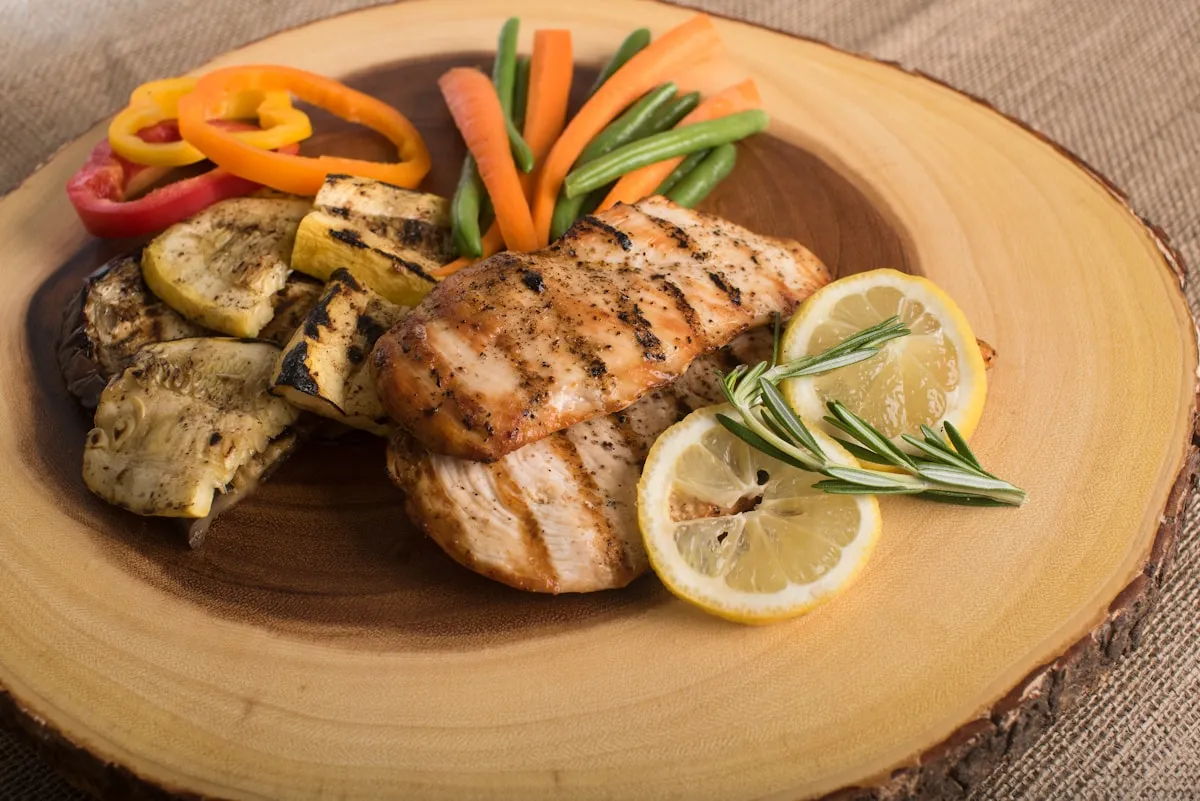
To turn a simple piece of poultry into something worthy of a restaurant, you have to understand the Maillard reaction. This is the chemical dance between amino acids and reducing sugars that creates that beautiful, savory brown crust. If your chicken looks pale and sad, you’ve missed the best part of the flavor profile.
Pat your chicken completely dry. Use a paper towel and press down hard. Moisture is the enemy of the sear; if the surface is wet, the chicken will steam rather than brown. You want that direct contact between the protein and the hot oil to create a crisp exterior immediately. Preheat your skillet until it’s shimmering. Don't rush this part. If the oil isn't hot enough, the meat will stick and tear. Use a high-smoke-point oil like avocado oil or light olive oil.
Avoid the temptation to move the meat. Once you lay those breasts into the pan, leave them alone for at least three to four minutes. You’ll know they’re ready to flip when they release naturally from the pan surface. If you have to tug, the crust hasn't fully formed yet. This patience is what separates mediocre home cooking from the easy dinner recipes that people actually crave.
Manage your heat transitions. Once you flip the chicken, you aren't just searing the other side; you're creating the foundation for your sauce. Drop the heat to medium. This prevents the exterior from carbonizing while the interior gently reaches the safe zone. This is also when you should introduce your aromatics. Use fresh garlic, but don't let it sit on the bottom of the pan for more than thirty seconds before adding your tomatoes. Garlic has a high sugar content and burns easily, turning bitter and ruining the delicate balance of the Caprese profile.
Harness residual heat for the perfect melt. One of the biggest mistakes people make is keeping the pan on high heat after adding the mozzarella. Fresh mozzarella has a high water content. If you boil it, it becomes rubbery and releases too much liquid, turning your beautiful pan sauce into a swamp. Instead, cover the pan and turn off the burner. The ambient steam trapped under the lid will melt the cheese into a soft, gooey blanket in about two minutes without overcooking the protein. This gentle finish keeps the chicken succulent, a non-negotiable in my book.
Soulful Variations for Every Table
While the classic trio of tomato, basil, and mozzarella is hard to beat, my blog is all about making a recipe your own based on what’s in your fridge. If you’re following a strict low-carb lifestyle, this fits perfectly into your rotation of keto recipes for beginners, but you can easily tweak the fats and acids.
Swap the balsamic for a lemon-butter finish. If you find balsamic vinegar too sweet or heavy, deglaze the pan with a splash of dry white wine or a squeeze of fresh lemon juice instead. This shifts the dish from a rich, rustic Italian vibe to something brighter and more Mediterranean. Add a handful of baby spinach at the very end. The residual heat from the tomatoes will wilt the greens in seconds, adding a nutritional punch without requiring extra cooking time or another pan.
Experiment with your protein choice. This technique works exceptionally well with thick-cut pork chops or even firm white fish like halibut or cod. Just be mindful of the cooking times; fish will cook much faster than chicken, so you’ll want to have your tomatoes and garlic ready to go the moment the first side is seared. Use sun-dried tomatoes for a concentrated burst of umami if fresh cherry tomatoes aren't in season. They provide a chewy, sweet-tart contrast that pairs beautifully with the creamy cheese.
Don't ignore the power of crunch. If you aren't worried about keeping it keto, a sprinkle of toasted panko breadcrumbs or crushed pine nuts over the top right before serving adds a necessary textural contrast. It breaks up the softness of the cheese and tomatoes, making every bite more engaging.
Pairing for Balance: What to Serve
The beauty of a one-pot meal is that it often stands alone, but a thoughtful side dish can elevate the entire experience. When choosing a pairing, think about balance. The chicken skillet is rich, creamy, and acidic, so you want something that either sops up the juices or provides a crisp, refreshing counterpoint.
Lean into low-carb greens. For those sticking to easy dinner recipes that remain healthy, a simple arugula salad dressed with nothing but lemon and sea oil is perfection. The peppery bite of the arugula cuts right through the richness of the melted mozzarella. Avoid heavy, creamy dressings here; the dish already has enough fat from the cheese and oil.
Choose a starch that loves a sauce. If carbs aren't a concern, serve this over a bed of glossy one-pot linguine or with a thick slice of toasted sourdough. You want something that can act as a vessel for the balsamic-tomato juices left in the bottom of the pan. Check your seasoning on the side dish; if the main event is highly seasoned, keep your sides simple so they don't compete for your palate's attention.
FAQ: Solving the Skillet Science
Why did my chicken come out tough or rubbery?
This almost always comes down to two things: overcooking or failing to let it rest. Chicken breast is lean and dries out the moment it passes 165°F. Pull the chicken off the heat at 160°F. The carryover heat will finish the job while it rests. Also, check if you pounded the meat. If the breast is 2 inches thick on one end and half an inch on the other, the thin end will be cardboard by the time the thick end is safe to eat.
Can I use dried basil instead of fresh?
In a pinch, yes, but the soul of a Caprese is the fresh, aromatic punch of the basil. If you must use dried, add it to the oil with the garlic. Heat helps "bloom" the dried herbs, releasing their oils. If you sprinkle dried basil on top at the end, it will just taste like dust. Fresh basil should always be added after the heat is off to preserve its bright green color and delicate flavor.
My mozzarella turned into a watery mess. What happened?
You likely used a high-moisture "fresh" mozzarella ball stored in water and then boiled it. To prevent this, pat the mozzarella dry before slicing. Also, ensure you aren't cooking the cheese on high heat. You just want it to soften and droop over the chicken, not liquefy.
Is this recipe actually keto-friendly?
Absolutely. Chicken, cheese, and olive oil are staples. The only hidden carbs come from the balsamic vinegar and the tomatoes. Use a high-quality balsamic vinegar without added thickeners or sugars, and keep the tomato portion to a reasonable handful per person. It’s one of those easy dinner recipes that feels like a cheat meal but fits perfectly within your macros.
Can I make this in an air fryer?
While we love air fryer recipes, this specific dish benefits from the direct contact of a skillet to create the pan sauce. An air fryer will cook the chicken beautifully, but you’ll miss out on the emulsified balsamic and tomato juices that make this dish truly soulful.
{“@type”:”BlogPosting”,”image”:”https://cdn.marblism.com/Tg9ERoZroKQ.webp”,”author”:{“name”:”Penny”,”@type”:”Person”},”@context”:”https://schema.org”,”headline”:”One Pot, Pure Joy: 15-Minute Caprese Chicken Skillet”,”publisher”:{“logo”:{“url”:”https://cookpedia.com/logo.png”,”@type”:”ImageObject”},”name”:”Cookpedia”,”@type”:”Organization”},”mainEntity”:{“@type”:”FAQPage”,”mainEntity”:[{“name”:”Why did my chicken come out tough or rubbery?”,”@type”:”Question”,”acceptedAnswer”:{“text”:”This usually results from overcooking or uneven thickness. Pull chicken at 160°F and let carryover heat finish it to 165°F. Always pound the breast to an even thickness before searing.”,”@type”:”Answer”}},{“name”:”Can I use dried basil instead of fresh?”,”@type”:”Question”,”acceptedAnswer”:{“text”:”Yes, but add it during the garlic sauté to bloom the oils. Fresh basil is preferred and should be added after the heat is off.”,”@type”:”Answer”}},{“name”:”Is this recipe actually keto-friendly?”,”@type”:”Question”,”acceptedAnswer”:{“text”:”Yes, it is high in protein and healthy fats. Watch the balsamic vinegar for added sugars to keep the carb count low.”,”@type”:”Answer”}}]},”articleBody”:”There is a specific kind of magic that happens when you realize dinner doesn’t have to be a multi-hour production… [full content continues]”,”description”:”A minimalist and soulful 15-minute Caprese chicken skillet recipe. Perfect for keto beginners and busy weeknights using one pot and fresh ingredients.”,”datePublished”:”2026-06-05″}