Recipe
Servings
Servings 1×
Ingredients
- Chicken
- Shrimp
- Rice
- Cauliflower
- Carrots
- Greens
- Apple
- Tomatoes
- Onion
- Honey
- Cooking oil
- Black pepper
Method
- Use a 2:1:1 ratio, two parts onion to one part pepper and celery.
- Rinse or soak your rice until the water runs clear.
- Let the steam do the work.
- Use a heavy-bottomed pot, ideally cast iron or enameled steel, to maintain consistent high heat.
- Brown the sausage slices until they are deeply caramelized.
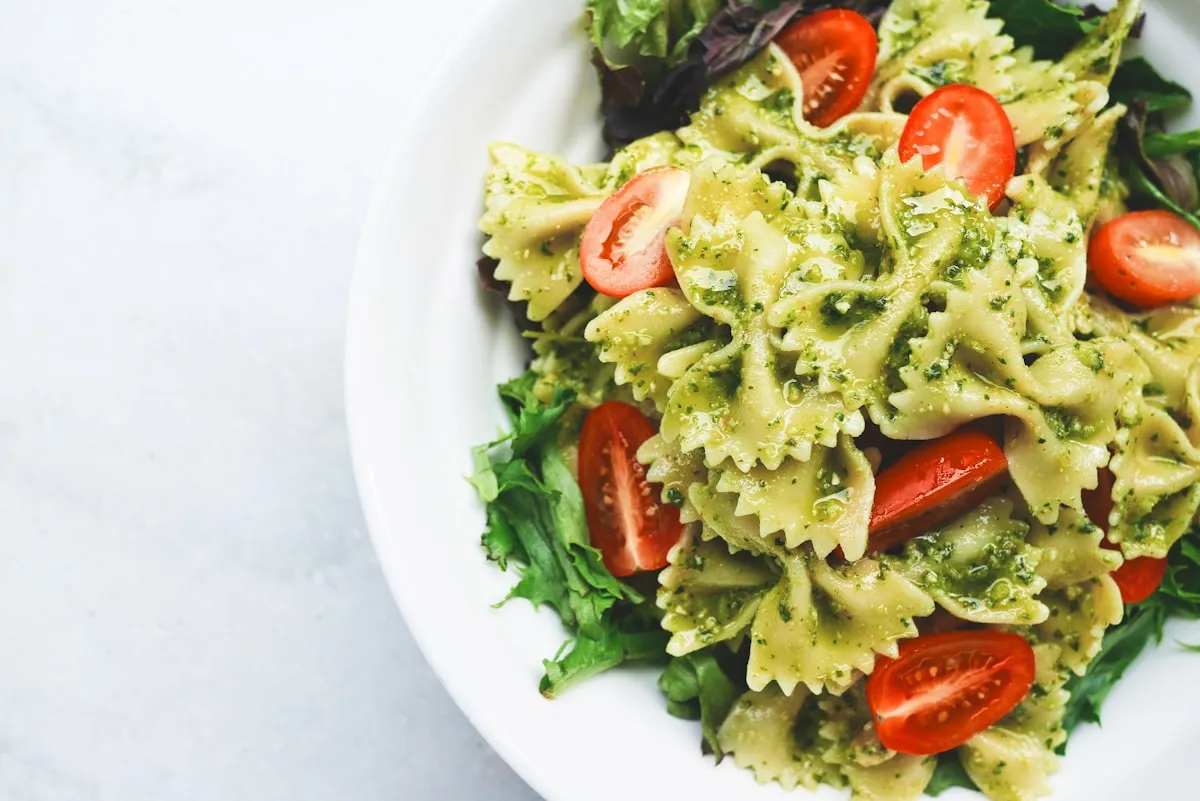
If you’ve ever found yourself staring into the pantry at 6:00 PM, wondering how to feed a hungry household without turning your kitchen into a disaster zone, you’ve met the ultimate savior: one pot meals. There is something inherently soulful about a dish that builds its own universe of flavor in a single vessel. Today, I’m talking about the heavyweight champion of Louisiana comfort food: Jambalaya. It’s smoky, spicy, and satisfying, yet it doesn't require a culinary degree to master. It’s one of those quick family meals that makes you look like a hero while secretly giving you a break on the dishes.
The Aromatic Architecture of the Trinity
To understand a great jambalaya, you have to respect the "Holy Trinity." In Cajun and Creole cooking, this is the non-negotiable base of onion, green bell pepper, and celery. While the French have their mirepoix (onion, carrots, celery), Louisiana subbed in peppers because they grew better in the swampy heat.
Scientifically, these vegetables serve as your "aromatic foundation." When you sweat them down over medium heat, you aren't just softening them; you are undergoing a process of sugar concentration. Use a 2:1:1 ratio, two parts onion to one part pepper and celery. Avoid browning them at this stage. We want them translucent and glassy. If they brown too early, the sugars carmelize and turn bitter during the long simmer with the rice. The goal is a deep, savory sweetness that carries the heat of the spices.
Speaking of heat, I always recommend building what I call the "Spice Scaffolding." This involves layering a trinity of peppers (black, white, and cayenne) and a trinity of herbs (thyme, oregano, and bay leaves). By adding these to the fat before the liquid hits the pan, you "bloom" the fat-soluble compounds in the dried herbs, intensifying their flavor profile significantly. This is why some healthy dinner ideas often taste bland, they skip the blooming phase. Don’t skip it.
The Science of the Perfect Grain
The biggest pitfall in any one-pot rice dish is the dreaded "mush factor." When rice is over-agitated or cooked with too much surface starch, it turns into a gummy paste. To prevent this, treat your rice like a precious cargo.
Check your rice variety; long-grain white rice is the standard here because it contains a higher proportion of amylose, which keeps the grains separate and fluffy. Rinse or soak your rice until the water runs clear. This removes the exterior starch that would otherwise thicken your broth into a slurry.
Once the rice is in the pot, stop stirring. Every time you move the rice during the simmering process, you break the delicate grains and release more starch. Let the steam do the work. The liquid-to-rice ratio is critical, you want just enough for the grains to absorb every drop of the seasoned broth without drowning. If you’re used to hands-off cooking like air fryer recipes dinner enthusiasts often are, you’ll appreciate the "set it and forget it" nature of the final simmer.
Master the Maillard Reaction
Before you even think about the vegetables, you must address the sausage. Whether you’re using traditional Andouille or a smoky kielbasa, the Maillard reaction is your best friend. This chemical reaction between amino acids and reducing sugars is what creates that dark, savory crust on the meat.
Use a heavy-bottomed pot, ideally cast iron or enameled steel, to maintain consistent high heat. Brown the sausage slices until they are deeply caramelized. This does two things: it develops the flavor of the meat and leaves behind "fond" (those delicious brown bits) on the bottom of the pot. When you later add your vegetables, their moisture will de-glaze the pan, pulling those concentrated meat flavors back into the sauce.
As for the shrimp, remember they are the "prima donnas" of the pot. They require very little heat to cook through. Avoid adding them at the start of the simmer, or you’ll end up with rubbery pink erasers. Tuck them into the rice during the final five minutes of steaming. The residual heat is more than enough to turn them opaque and tender.
Spicy, Smokey, and Sea-Bound Variations
One of the reasons I love one pot meals is their inherent flexibility. If you aren't a fan of the "Creole" style (which includes tomatoes), you can lean into the "Cajun" style, which is brown, meatier, and omits the fruit.
- The Poultry Play: If you want a heartier version, sear skin-on chicken thighs alongside the sausage. The chicken fat adds an incredible silkiness to the rice that you just can't get from oil alone.
- The Garden Swap: For those looking for lighter healthy dinner ideas, you can swap the white rice for cauliflower rice. However, be warned: cauliflower rice doesn't absorb liquid the same way, so you’ll need to reduce your broth by about 75% to avoid a soup.
- The Shellfish Pivot: If shrimp isn't your thing, crawfish tails are the authentic Louisiana substitute. If you're feeling fancy, adding cleaned mussels or clams during the final steaming phase creates a "Paella-meets-Bayou" hybrid that is stunning for guests.
Balancing the Plate: Side Dish Pairings
Jambalaya is a heavy hitter. It’s rich, salty, and spicy. To keep your palate from getting fatigued, you need sides that offer acidity or a cooling crunch.
- Vinegar-Based Slaw: Avoid the creamy, mayo-heavy slaws. Instead, go for a bright, apple cider vinegar dressing with plenty of shredded cabbage and green apples. The acidity cuts right through the smoky fat of the sausage.
- Charred Okra: While many people put okra in their jambalaya, I prefer it on the side. Tossing it in a bit of oil and high heat (this is where air fryer recipes dinner techniques shine!) removes the sliminess and gives you a nutty, crisp texture.
- Cornbread: It’s a classic for a reason. A slightly sweet, honey-topped cornbread provides a necessary counterpoint to the cayenne heat. It acts as a sponge for any leftover juices at the bottom of the bowl.
Frequently Asked Questions
Why did my rice turn out crunchy even though the liquid is gone?
This usually happens if your pot lid isn't tight-fitting. If steam escapes, the rice can't hydrate properly. If you find yourself in this situation, do not just dump more water in. Add a splash of broth, cover the pot with a layer of foil before putting the lid on to create a tighter seal, and let it sit off the heat for 10 minutes. The carryover steam often fixes the "crunch."
Can I use brown rice for a healthier version?
You can, but the science changes. Brown rice has the bran layer intact, which means it requires significantly more liquid and about double the cooking time. If you use brown rice, you’ll need to cook your meat and vegetables separately and combine them later, or your trinity will turn into mush long before the rice is done.
Is jambalaya supposed to be wet like a risotto?
No. Unlike a gumbo or a risotto, jambalaya should be relatively dry. Each grain of rice should be distinct and coated in flavor, but there shouldn't be a pool of liquid at the bottom of your bowl. If it's too wet, you likely over-measured your broth or didn't let the rice "rest" long enough after cooking.
Can I make this as one of my quick family meals if I'm short on time?
Absolutely. The prep (chopping the trinity) is the most time-consuming part. To speed things up, use a food processor for the vegetables and pre-peeled shrimp. Once everything is in the pot, it’s entirely hands-off. It’s the ultimate solution for a busy weeknight when you want real food without the drive-thru hassle.
What is the best way to reheat leftovers?
Avoid the microwave if possible; it tends to make the shrimp rubbery and the rice dry. Instead, put the jambalaya in a skillet with a tablespoon of water or broth. Cover it and heat it over low power. This creates a mini-steamer environment that revitalizes the rice grains without overcooking the proteins.
Ready to get started? Check out our full recipe database at Cookpedia.com for more inspiration on making home cooking soulful and simple.