Recipe
Servings
Servings 1×
Ingredients
- Ground turkey
- Pearled barley
- Rice
- Bread
- Cauliflower
- Carrots
- Spinach
- Onion
- Garlic
- Lemon
- Mustard
- Hard cheese
- Butter
- Cooking oil
- Black pepper
Method
- Let’s dive into the "why" and "how" behind making this soup a staple in your kitchen.
- Use long-grain white rice for its lower amylopectin content (the stuff that makes rice sticky) compared to short-grain varieties.
- Sautéing these vegetables in a bit of fat (olive oil or butter) before adding the broth allows their natural sugars to caramelize.
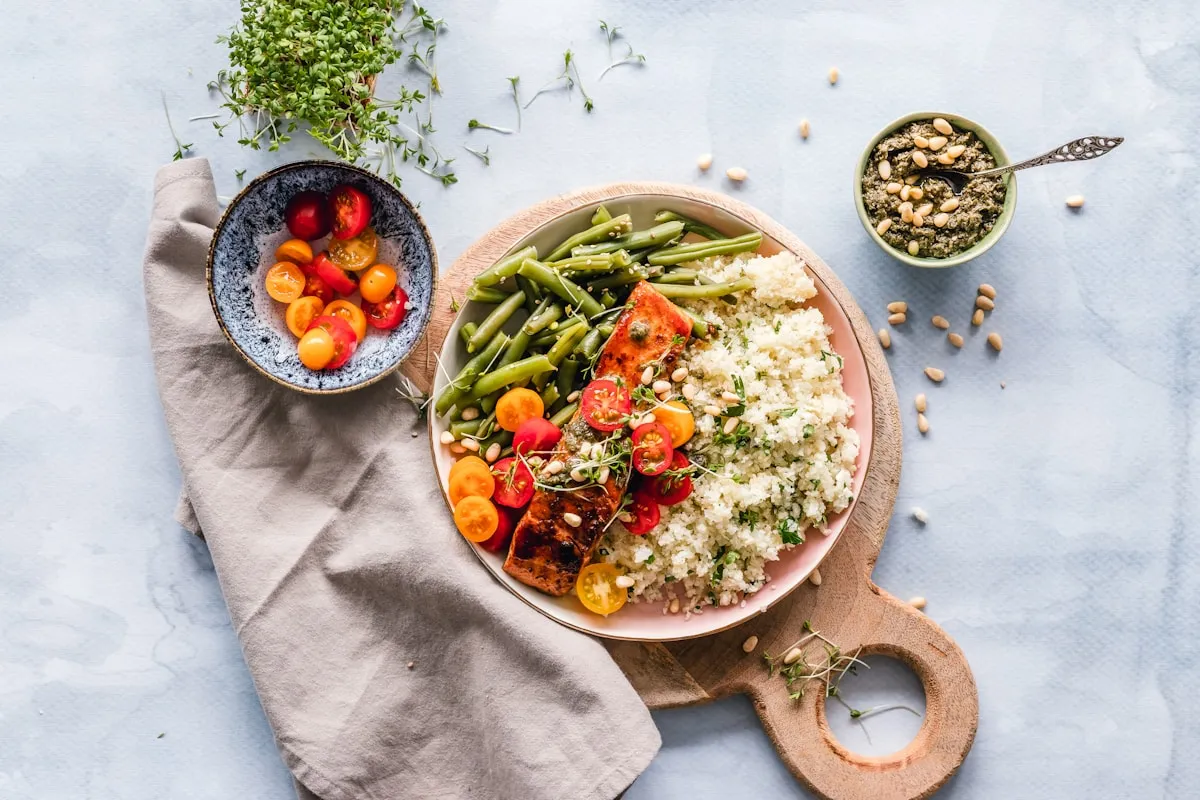
There is something undeniably magical about a single pot simmering on the stove while the rain taps against the kitchen window. I’ve always believed that the best food doesn't require a mountain of dishes or a degree from a French culinary school. Sometimes, you just need a handful of honest ingredients and a little bit of patience. This One-Pot Turkey and Rice Soup is my go-to when I want maximum comfort with minimum cleanup. It’s the ultimate embodiment of why I love one pot meals: they are efficient, flavor-dense, and deeply soul-warming.
Whether you are navigating a hectic Tuesday or just want a quiet night in, this soup delivers. It’s light enough to feel healthy but substantial enough to keep you full until breakfast. While I often turn to my favorite air fryer recipes dinner for that irresistible crunch, there are some nights where only a steaming bowl of broth and rice will do. Let’s dive into the "why" and "how" behind making this soup a staple in your kitchen.
The Science of Flavor and Texture
Creating a truly spectacular soup is about more than just tossing things into a pot and hoping for the best. It’s about understanding the chemistry happening under the lid. When we talk about quick family meals, we aren't just talking about speed; we’re talking about smart cooking. The foundation of this soup starts with the Maillard reaction.
The Power of the Sear
When you drop that ground turkey into your pot, do not start stirring it immediately. Most home cooks make the mistake of "graying" their meat rather than browning it. To get that deep, savory base, you need heat and contact. When the proteins and sugars in the turkey react under high heat, they create hundreds of different flavor compounds. This is the Maillard reaction at work. If you stir too soon, the meat releases moisture and ends up steaming in its own juices. Instead, let it sit undisturbed for a few minutes until a golden-brown crust forms. This crust: and the brown bits (fond) left on the bottom of the pot: is where the soul of your soup lives.
Managing the Starch
The most common complaint with rice-based soups is that the rice turns into a bloated, mushy mess by the time you sit down to eat. To avoid this, we have to look at starch gelatinization. Rice grains are essentially little bundles of starch. As they heat up in liquid, those starch molecules absorb water and expand. If you add the rice too early, it will continue to absorb liquid long after it’s reached its ideal texture, eventually breaking down and thickening the soup into a porridge.
To keep your grains distinct and tender, timing is everything. Use long-grain white rice for its lower amylopectin content (the stuff that makes rice sticky) compared to short-grain varieties. This ensures the grains stay separate. Always add your rice toward the middle of the simmering process, and more importantly, stop the cooking process just before the rice is "perfect." The residual heat will finish the job without overextending the starch.
Layering the Aromatics
The trinity of onions, carrots, and celery: often called a mirepoix: provides the aromatic backbone for many healthy dinner ideas. But don't just boil them. Sautéing these vegetables in a bit of fat (olive oil or butter) before adding the broth allows their natural sugars to caramelize. This adds a layer of sweetness that balances the saltiness of the broth. I also recommend adding your garlic and dried herbs during the last sixty seconds of the sauté. This "blooms" the oils in the herbs, making them far more potent than if they were simply dumped into the liquid.
Making It Your Own: Flavor Variations
One of the reasons this dish is a standout among one pot meals is its versatility. Once you master the base technique, you can pivot the flavor profile to suit your mood or what's left in your pantry.
- The Citrus Brightener: If the soup feels a bit heavy or "flat," it’s likely missing acidity. A squeeze of fresh lemon juice and a teaspoon of lemon zest added right before serving can transform the dish. The acid cuts through the richness of the turkey and makes the whole bowl feel lighter.
- The Herbaceous Twist: While dried thyme and bay leaves are classic, try finishing with a handful of fresh dill or cilantro. These "soft" herbs provide a fresh, grassy top note that balances the earthy flavors of the mirepoix.
- Heat and Spice: For those who like a little kick, sauté a diced jalapeño with your onions or stir in a spoonful of red pepper flakes. The heat pairs beautifully with the creamy texture of the rice.
- Grain Swaps: If you want to move away from white rice, consider using farro or pearl barley. Just be aware that these grains have much longer cooking times and require more liquid. If you’re looking for quick family meals that are even lower in carbs, you can swap the rice for cauliflower rice: just add it in the last three minutes of cooking so it doesn't vanish into the broth.
Perfect Pairings: Balancing the Bowl
Soup is rarely a solo act. To turn this into a complete experience, you need textures and flavors that contrast the soft, savory nature of the dish.
- The Crusty Bread Factor: You need something to mop up that golden broth. A thick slice of sourdough or a warm baguette is non-negotiable. The crunch of the crust provides a necessary textural break from the tender rice and turkey.
- The Bright Side Salad: A simple arugula or spinach salad tossed in a sharp vinaigrette (think lemon juice, Dijon mustard, and olive oil) is the perfect companion. The bitterness of the greens and the sharpness of the dressing act as a palate cleanser between spoonfuls of rich soup.
- A Savory Topping: Don't underestimate the power of a garnish. A sprinkle of freshly grated Parmesan cheese adds a salty, umami punch, while a few homemade croutons (perhaps leftover from your latest air fryer recipes dinner experiment) can add an extra layer of crunch.
Frequently Asked Questions
Why is my rice mushy even though I followed the time?
Rice can be finicky. If your rice is mushy, it likely sat in the hot broth for too long after the heat was turned off. Soups retain heat for a long time. If you aren't serving the soup immediately, the rice will continue to cook. Try cooking the rice separately and adding it to individual bowls if you know you won't be finishing the pot in one sitting.
Can I use leftover roasted turkey instead of ground turkey?
Absolutely. This is one of the best healthy dinner ideas for post-holiday leftovers. If you are using pre-cooked turkey, skip the browning step. Instead, sauté your vegetables as usual, add the broth and rice, and only stir in the shredded turkey during the last five minutes of simmering to heat it through.
Can I freeze this soup?
You can, but there is a caveat: the rice. As mentioned in the science section, rice loves to absorb water. When frozen and thawed, the rice often becomes very soft and the soup loses much of its broth. If you plan to freeze a batch, I highly recommend making the soup base (turkey, veg, broth) and freezing it without the rice. When you’re ready to eat, simply bring the soup to a boil and cook the rice fresh in the pot.
How do I thicken the soup without cream?
If you prefer a heartier, thicker consistency but want to keep it dairy-free, try the "mash method." Take a cup of the soup (including some rice and vegetables) and blend it or mash it with a fork, then stir it back into the main pot. The released starches will naturally thicken the broth without changing the flavor profile.
My broth tastes bland, what should I do?
Salt is usually the culprit, but if you’ve salted and it still feels "empty," you need umami. Add a splash of soy sauce, a teaspoon of Worcestershire sauce, or a Parmesan rind to the pot while it simmers. These ingredients add depth and a "meatier" flavor to the broth without making it taste like a different dish.
Cooking is often about the small victories, and few things feel as victorious as a perfect bowl of soup made in one pot. It’s simple, it’s soulful, and it’s exactly what home cooking should be. Stick to the science of browning and timing, and you’ll find this becomes a permanent fixture in your weekly rotation. Enjoy your meal!