Recipe
Servings
Servings 1×
Ingredients
- Ground turkey
- Bread
- Carrots
- Zucchini
- Tomatoes
- Onion
- Lemon
- Hard cheese
- Feta
- Butter
- Cooking oil
- Chili seasoning
- Salt
Method
- Let’s be honest: ground turkey gets treated like the backup singer of the protein world.
- Use it, and suddenly turkey tastes like it has better manners.
- Fold the mixture gently and stop as soon as it looks combined.
- Use high enough heat to encourage browning on the outside, and give the meatballs space.
- Add ingredients like onion, carrot, butter, or olive oil and the perceived acidity softens even more because sweetness and fat smooth the edges.
- Add lemon, wine, or extra tomato paste and the sauce can taste brighter and more pointed.
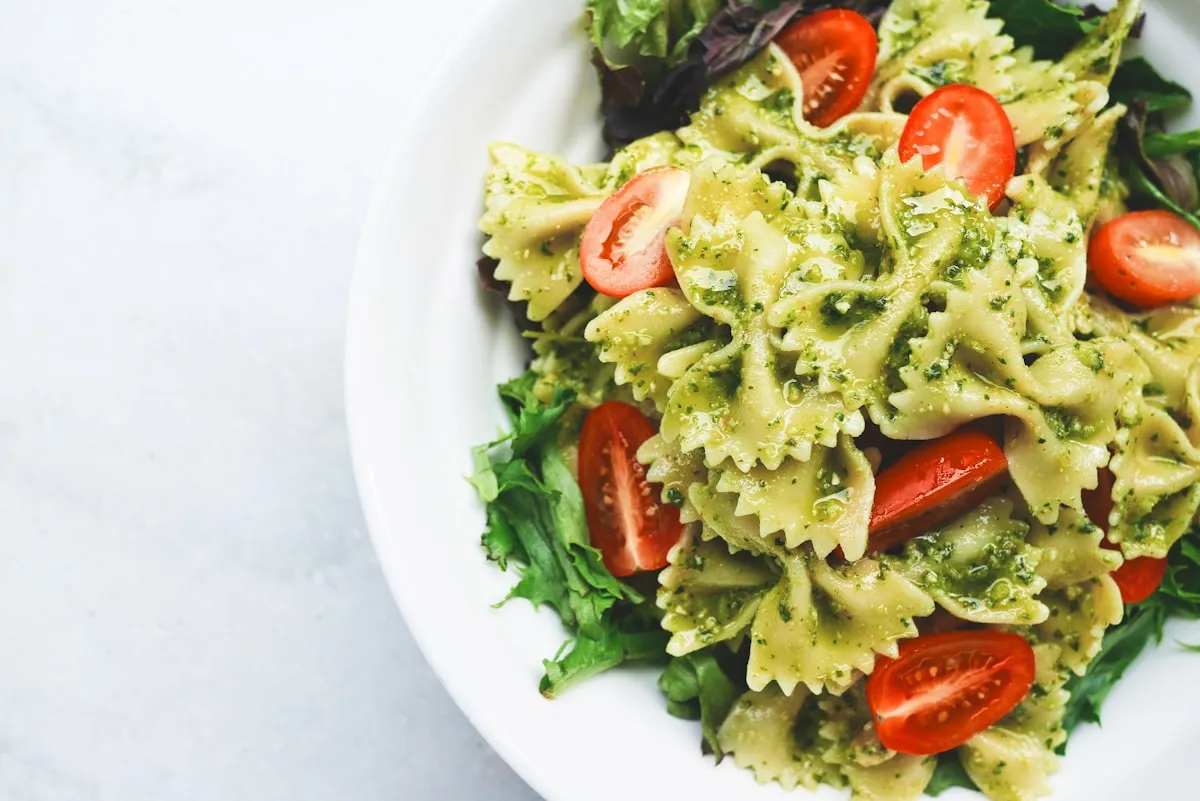
Let’s be honest: ground turkey gets treated like the backup singer of the protein world. It’s lean, practical, and usually invited to the party for health reasons, not excitement. That ends here. These baked turkey meatballs marinara are juicy, deeply savory, and clever enough to turn a famously fussy protein into one of those healthy dinner ideas you actually crave. If turkey has disappointed you before, good. You’re exactly who this recipe is here to win back.
Lean Protein That Actually Pulls Its Weight
Turkey’s biggest selling point is also the reason it gets botched so often: it’s lean. That means you get plenty of protein without the heavier fat load of many red meats, which makes these meatballs a smart move when you want dinner to feel satisfying instead of nap-inducing. Protein helps with satiety, supports muscle maintenance, and generally makes a meal feel like a meal instead of a snack wearing a fake mustache. In practical kitchen terms, turkey gives you structure, clean flavor, and a base that takes seasoning beautifully.
The catch is simple. Fat cushions meat during cooking. Turkey has less of that cushion, so it has less room for error. Push the heat too hard or cook too long, and the proteins seize up like they’ve received shocking news. That’s why technique matters more here than with richer meats. You are not just cooking meatballs. You are managing moisture, heat, and protein behavior like the calm kitchen genius you are becoming.
The Science of Staying Juicy
The biggest hurdle with turkey is its lean profile. Unlike beef, which carries a built-in moisture buffer in the form of intramuscular fat, turkey is mostly lean muscle. When that muscle cooks, proteins like myosin and actin tighten and squeeze out water. That is the whole tragedy of dry turkey in one sentence. If you want tender meatballs, build in protection before heat ever enters the conversation.
Use a Panade or Accept Defeat
The most important non-negotiable in my kitchen is the panade. Yes, it sounds fancy. No, it is not fancy. It is simply bread and liquid allowed to hydrate before they meet the meat. But this tiny step does heavy lifting. As the bread absorbs liquid, its starches swell and hold onto moisture. During baking, that hydrated mixture acts like a built-in insurance policy, slowing down moisture loss and keeping the meatball tender rather than springy.
This matters even more with turkey because lean ground meat does not have much internal fat to mask bad texture. A panade interrupts the dense network of meat proteins, which keeps the final bite softer and less compact. Skip it, and you are asking a low-fat protein to behave like a rich one. It won’t. Use it, and suddenly turkey tastes like it has better manners.
Mix Gently, Not Like You’re Mad at It
Overmixing is one of the fastest routes to rubbery meatballs. When you aggressively mash or knead ground turkey, you force the proteins to bind too tightly. That creates a dense, bouncy texture that feels more like stress ball material than dinner. Fold the mixture gently and stop as soon as it looks combined. Leave a little looseness in the mix. That softness translates directly to the finished meatball.
This is one of those boring-sounding tips that makes a dramatic difference. If you’re after quick family meals that still feel polished, gentleness is part of the shortcut. You do not need more effort. You need better restraint.
Brown Flavor Without Frying the House
People love pan-fried meatballs because browning tastes amazing, and that’s not just opinion. The Maillard reaction creates hundreds of flavor compounds when proteins and sugars meet high heat. That’s where the deep, savory, almost roasty notes come from. The good news is you can still get a solid version of that in the oven.
Use high enough heat to encourage browning on the outside, and give the meatballs space. Crowding traps steam, and steam is the sworn enemy of browning. A light coating of oil helps conduct heat and improve color. You’re not deep-frying anything. You’re just helping the surface get its act together.
Why Oven-Braising Works So Well
Here’s where these meatballs become smarter than the average tray-bake. Oven-braising gives you the best of two cooking worlds: dry heat first, moist heat second. First, the oven sets the exterior and develops flavor. Then the meatballs finish in marinara, where gentle surrounding moisture protects them from drying out and gives them time to absorb flavor. It’s like a warm tomato spa, except useful.
This method is especially kind to turkey. Because the sauce surrounds the meatballs, heat reaches them more gently than direct dry air alone. That reduces the harsh moisture squeeze you get from overbaking. The sauce also limits surface dehydration, so the outsides do not turn leathery while the centers catch up. If you’ve ever had turkey meatballs that were dry on the outside and weirdly wet in the middle, that’s usually a heat-management problem. Oven-braising solves it by evening out the cooking environment.
There’s also flavor migration to think about. As meatballs braise in sauce, some of their juices move outward, and some of the sauce moves inward. This exchange is what makes the final dish taste cohesive instead of like separate meat and sauce components awkwardly sharing a plate. Tomato’s acidity brightens turkey’s mild flavor, while the turkey contributes savory richness back into the marinara. Everybody wins.
Tomato acidity deserves a little more attention here, because it does more than just make the sauce taste lively. Most tomato sauces sit in a naturally acidic range, which is exactly why they feel bright and sharp against lean meat. That acidity cuts through savory flavors and keeps turkey from tasting flat. In sensory terms, acid increases contrast. It makes salt seem more defined, herbs smell more vivid, and richness feel less heavy. With turkey, which has a gentler flavor than beef, that contrast is a huge advantage.
But don’t confuse acidity with a free pass to cook however you want. Acid can balance flavor, but it does not magically rehydrate overcooked meat. If the turkey dries out, a lively sauce helps the dish feel less dull, yet the texture still tells the truth. The smart move is to use acidity as a support system, not a rescue mission. Get the meatballs tender first, then let the marinara sharpen and round out the final bite.
Acidity also changes depending on the tomatoes and how the sauce is built. Canned tomatoes can range from sweet and mellow to bright and assertive. Long cooking softens raw sharpness and concentrates sugars, which is why some marinara sauces taste gentler after simmering. Add ingredients like onion, carrot, butter, or olive oil and the perceived acidity softens even more because sweetness and fat smooth the edges. Add lemon, wine, or extra tomato paste and the sauce can taste brighter and more pointed. This matters because your meatballs should meet a sauce that complements them, not steamrolls them.
If your marinara tastes too sharp, don’t automatically dump in sugar like you’re settling a kitchen feud with dessert. First, check salt. Underseasoned tomato sauce often reads as more acidic than it actually is. Then check cooking time. A few more minutes can mellow harshness naturally. A drizzle of olive oil or a little cheese at serving can also round things out without turning the sauce sugary. Balance it. Don’t bury it.
Use restraint with time, though. Braising is gentle, not infinite. Leave lean meat in sauce for too long and it can still tighten up. The goal is just enough time for flavor exchange and carryover cooking, not an all-day simmer situation.
Flavor Variations That Still Respect the Science
While classic marinara is hard to beat, turkey is a cooperative little protein. Its mildness makes it a useful blank canvas, which means you can shift the mood without fighting the base recipe.
- Mediterranean style: Add a more herb-forward personality with oregano, parsley, and a salty finish like feta. Pair it with lemon somewhere on the plate. Acidity cuts richness and wakes up turkey’s mild flavor fast.
- Spicy version: Use chili flakes or Calabrian chili for heat that builds without making the dish feel heavy. Capsaicin adds excitement, and a spicy tomato sauce gives the lean meatballs more perceived richness.
- Veg-forward twist: Fold in finely grated vegetables, especially zucchini, for extra moisture. Squeeze out excess water first. Too much free water weakens structure and blocks browning, which is how you end up with pale, sad meatballs instead of dinner.
- Parmesan-heavy comfort mode: Lean turkey benefits from assertive savory ingredients. A little aged cheese adds glutamates, which boost umami and make the whole dish taste fuller without needing extra fat.
This is also why turkey meatballs work so well for people cycling through healthy dinner ideas all week. The formula is flexible, but the rules stay the same: protect moisture, control heat, and balance richness with acid or herbs.
Side Dish Pairings That Keep the Plate Balanced
A good pairing should do one of two things here: cut the richness of the sauce or support the softness of the meatballs with contrast. Marinara brings acidity and sweetness. Turkey brings lean savoriness. Your side should either sharpen the edges or mellow everything into comfort.
Lemony arugula salad is my top pick. Peppery greens and sharp citrus wake up the whole plate and stop the meal from feeling one-note. Acid cleans the palate, which means each bite of meatball still tastes interesting instead of heavy by bite four.
Creamy polenta is the cozy option. It catches sauce beautifully and brings soft, corn-sweet comfort that plays nicely with tomato acidity. This is the move when you want dinner to feel like it’s wearing sweatpants.
Roasted broccoli gives you texture. Its crisp edges and slightly bitter flavor balance the gentle sweetness of marinara. Bitterness is underrated at dinner. Use it.
Zucchini noodles keep things lighter without making the meal feel flimsy. They also fit neatly if you’re usually hunting for air fryer recipes dinner inspiration but want something saucy and oven-friendly instead.
The bigger pairing rule is balance. If your sauce is especially bright and acidic, pair it with something creamy or earthy. If your sauce is mellow and rich, bring in greens or lemon to wake the plate up. This is how you keep turkey meatballs from tasting either too sharp or too soft. Contrast is not decoration. It is structure.
If you're in a rush and need something even faster, check out my 15-minute Thai prawn noodles for another perspective on high-impact, low-effort flavor.
FAQ: Solving Your Meatball Mysteries
Why are my turkey meatballs dry even when I follow the bake time?
Because bake time is only a guideline. Your oven, pan color, meatball size, and starting temperature all affect how fast turkey cooks. Lean protein has a smaller margin for error, so use a thermometer and pull the meatballs as soon as they’re safely done. Also check whether you skipped the panade or overmixed the meat. Those two mistakes love to work as a team.
What if my marinara makes the meatballs soggy?
That usually means the meatballs never got enough initial browning or structure before they met the sauce. Give them time to set first. A properly baked exterior acts like a thin shell, so the sauce coats and braises rather than floods. Thick sauce also helps. If the marinara is watery, it will behave watery. Shocking, I know.
Can I use the air fryer instead of the oven?
Absolutely. If you’re collecting air fryer recipes dinner options, turkey meatballs fit right in. The circulating hot air browns the exterior quickly and efficiently. Just avoid crowding the basket. When meatballs sit too close, they steam instead of brown, and then you get pale tops and disappointment. If you still want the oven-braised effect, air-fry first and finish in warm marinara.
Why are my meatballs falling apart?
Usually, the binder ratio is off or the mixture is too wet. Hydrated breadcrumbs help hold moisture, but excess liquid works against structure. Make sure any added vegetables are squeezed well, and mix until just combined so the proteins can hold together without turning dense. Also, chill the shaped meatballs briefly if the mixture feels soft. Cold fat and proteins hold shape better going into heat.
How do I know when they are actually done?
Stop guessing and use a meat thermometer. Turkey is safe at 165°F, but carryover cooking is real, so you can pull them slightly before they fully finish if they’re heading into hot sauce. That gives you a better shot at juicy meatballs instead of chalky ones. Lean meats do not reward bravado. Check early.
Can I freeze these for later?
Yes, and you should. These are excellent for quick family meals later in the week. Freeze them after baking for the best texture, then reheat gently in sauce. That gentle reheating matters. Blast them with aggressive dry heat straight from the freezer and you’ll undo all your careful moisture management in one go. Slow and saucy wins again.
What if I only have extra-lean turkey?
Use it, but compensate intelligently. Extra-lean turkey needs even more help from the panade, seasoning, and careful cooking. It can still be delicious, but it is less forgiving than standard ground turkey. This is exactly where oven-braising earns its keep, because the sauce helps buffer the lack of fat and keeps the final texture from heading into cardboard territory.
What if my tomato sauce tastes too acidic?
Fix it with balance, not panic. First, taste for salt, because underseasoned marinara often seems sharper than it really is. Then give the sauce a little more cooking time if it tastes raw or harsh. If it still feels too pointed, add a small amount of fat like olive oil or a finishing shower of cheese to soften the edges. Use sugar sparingly and only if the sauce truly needs it. You want brightness, not candy.