Recipe
Servings
Servings 1×
Ingredients
- Chicken
- Pasta
- Bread
- Tomatoes
- Garlic
- Lemon
- Balsamic vinegar
- Feta
- Butter
- Cooking oil
- Chili seasoning
Method
- Use extra virgin olive oil for the best results, as the phenols in the oil also undergo a slight mellowing process, absorbing the lycopene and volatile aromatics released by the tomatoes.
- Use whole cloves of garlic rather than minced; the prolonged heat will turn the garlic cloves into soft, spreadable "butter" through the same pectin-degradation process affecting the tomatoes.
- Keep the temperature low and slow to allow the water to stay liquid while the pectin dissolves.
There is a specific kind of kitchen magic that happens when you submerge humble cherry tomatoes in a bath of liquid gold and let them bake until they surrender. I’m talking about tomato confit: a dish so luxurious and tender it feels like it belongs in a Michelin-starred pantry, yet it’s one of the most low-effort healthy dinner ideas you can master. If you’ve ever wondered why a slow-roasted tomato tastes like a concentrated explosion of summer compared to a raw one, pull up a chair. We’re diving into the beautiful chemistry of pectin degradation.
The Chemistry of the "Melt": Pectin and Thermal Hydrolysis
When you bite into a raw tomato, you’re experiencing the structural integrity of pectin. Think of pectin as the "intercellular glue" that keeps plant cells stuck together. In a fresh tomato, these long-chain polysaccharides are rigid and sturdy. However, once you introduce sustained heat, especially in an acidic environment (tomatoes have a pH of about 4.5), a process called thermal acid hydrolysis begins.
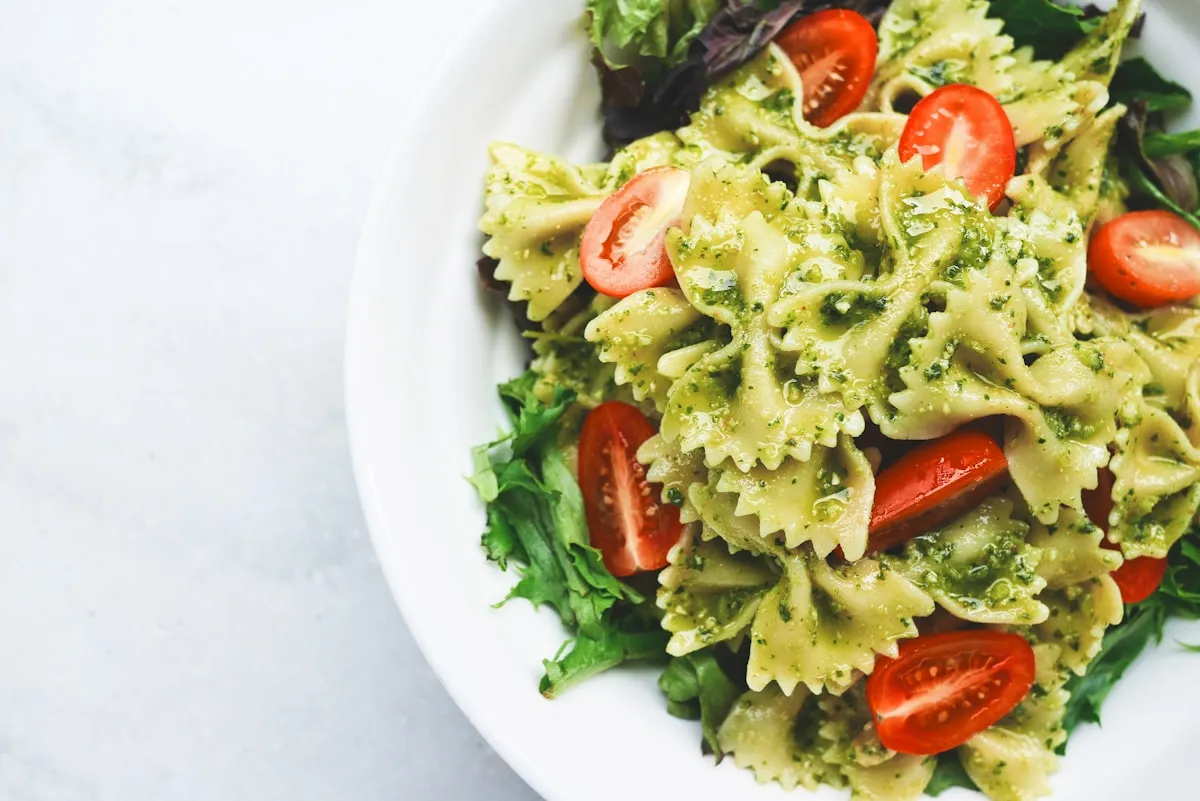
During slow roasting, the heat causes the pectin polymers to break down into smaller, water-soluble units. Specifically, at the moderate temperatures used for confit: around 200°F to 250°F: the pectin undergoes β-elimination and acid hydrolysis. This reduces the molecular weight of the pectin, essentially dissolving the "glue." This is why the tomatoes don’t just get soft; they become silky and almost jam-like while still retaining their individual shape.
The role of the oil in this process is non-negotiable. Unlike roasting on a dry sheet pan where moisture evaporates rapidly, causing the skins to char and the insides to dry out, the oil in a confit acts as a thermal buffer. It provides even heat conduction and prevents the tomato's internal water from escaping too quickly. This preserves the plumpness of the fruit even as the internal structure collapses.
Use extra virgin olive oil for the best results, as the phenols in the oil also undergo a slight mellowing process, absorbing the lycopene and volatile aromatics released by the tomatoes. Avoid using high-heat seed oils here; you want the flavor of the oil to marry with the fruit. Check your oven temperature with an external thermometer to ensure you aren't creeping into "frying" territory. If the oil is bubbling violently, you’ve lost the gentle "confit" effect and are essentially deep-frying your produce, which leads to a greasy, tough exterior rather than a velvety one.
For those looking for quick family meals, you can actually adapt this technique to faster methods, though you’ll sacrifice some of that deep pectin breakdown. If you're in a rush, you might explore air fryer recipes dinner options to achieve a similar roasted profile in half the time, though the texture will be slightly more "blistered" than "confit."
Flavor Variations: Balancing Acidity and Aromatics
While the classic garlic-and-thyme combo is a powerhouse, you can manipulate the chemistry of your confit by adding different solutes to the oil.
- The Umami Bomb: Add a few dried anchovy fillets or a tablespoon of white miso to the oil. The glutamates in these additions will bridge the gap between the natural acidity of the tomatoes and the richness of the oil, creating a flavor profile that is incredibly deep.
- Citrus & Chili: Strip a few pieces of lemon zest and add a teaspoon of red chili flakes. The citrus oils (limonene) are fat-soluble and will infuse the entire batch, providing a bright counterpoint to the heavy lipids of the olive oil.
- The Sweet Heat: Add a tablespoon of balsamic vinegar and a few whole black peppercorns. The sugars in the balsamic will slightly caramelize (Maillard reaction) even at low temperatures, adding a dark, jammy complexity to the final product.
Regardless of the variation, maintain a high ratio of aromatics. Use whole cloves of garlic rather than minced; the prolonged heat will turn the garlic cloves into soft, spreadable "butter" through the same pectin-degradation process affecting the tomatoes.
Perfect Pairings: Contrast and Complement
The beauty of tomato confit is its versatility. Because it is high in fat and concentrated acidity, it needs a partner that can either soak up that oil or provide a sharp contrast.
- Starch Absorption: Serve these tomatoes over a thick slice of toasted sourdough or stir them into a spicy tomato basil linguine. The starch in the pasta or bread acts as a vehicle for the infused oil, ensuring none of that liquid gold goes to waste.
- Protein Contrast: Use the confit as a topping for white fish or grilled chicken. The acidity of the tomatoes cuts through the protein fibers, making for one of the most balanced healthy dinner ideas in your rotation.
- Creamy Fats: Pair with burrata or whipped feta. The cold, creamy dairy provides a temperature and texture contrast to the warm, oily tomatoes that is second to none.
Common Questions and Troubleshooting
Why did my tomatoes burst and turn into a watery mess?
This usually happens if your temperature is too high. If the internal water in the tomato reaches 212°F (100°C), it turns to steam. Because the skin acts as a pressure vessel, the steam eventually forces its way out, causing the tomato to "explode" and release its juices into the oil. Keep the temperature low and slow to allow the water to stay liquid while the pectin dissolves.
Can I use any type of tomato?
Technically, yes, but cherry or grape tomatoes are the gold standard for confit. Their high skin-to-flesh ratio provides just enough structure to hold the fruit together once the pectin has degraded. Larger tomatoes, like Roma or Beefsteak, contain too much water and tend to collapse into a sauce rather than staying as discrete, soft units.
How long does this keep in the fridge?
Because the tomatoes are submerged in oil, they are somewhat protected from oxidation. However, because tomatoes are low-acid (relative to pickles) and contain water, there is a risk of bacterial growth if kept too long. Store them in a clean jar, fully submerged in their oil, for up to a week. Always use a clean spoon to fetch them out to avoid cross-contamination.
The oil solidified in the fridge! Is it ruined?
Not at all. High-quality extra virgin olive oil contains waxes and long-chain fatty acids that crystallize at low temperatures. Simply leave the jar on the counter for 30 minutes or microwave a small portion for 10 seconds to return it to its liquid state.
Is this actually healthy?
Absolutely. While it uses a lot of oil, you aren't consuming all of it in one sitting (unless you really want to!). Furthermore, the cooking process significantly increases the bioavailability of lycopene: a powerful antioxidant found in tomatoes: making this one of the most functional healthy dinner ideas you can prep for the week.
If you’re looking for more ways to use your kitchen equipment efficiently, don't forget to check out our other guides on air fryer recipes dinner for those nights when you need flavor without the two-hour wait. Now, go grab some tomatoes and start degrading that pectin!