Recipe
Servings
Servings 1×
Ingredients
- Lentils
- Onion
- Garlic
- Fresh ginger
- Lemon
- Lime
- Coconut milk
- Cooking oil
- Turmeric
Method
- Use the "blooming" technique.
- Let's talk about the "creamy" part of this healthy dinner ideas staple.
- Use a heavy-bottomed pot to ensure even heat distribution and prevent the lentils from scorching at the bottom as they thicken.
There is something inherently soul-soothing about a bowl of soup that manages to be both incredibly light and deeply indulgent. My plant-based coconut lentil soup is exactly that: a vibrant, velvety hug in a bowl that relies on humble pantry staples to deliver high-impact flavor. If you are looking for new plant-based dinner ideas that don't require a mountain of dishes or a degree in culinary arts, this is the one. It is creamy, protein-packed, and proof that "simple" can still mean "spectacular."
The Science of Flavor and Texture
Creating a soup this satisfying isn't just about throwing ingredients into a pot; it’s about understanding the chemistry of your components. To master this dish, you need to treat your spices with respect. Use the "blooming" technique. This involves sautéing your aromatics: onion, garlic, and ginger: in a fat like coconut oil before adding your dry spices. Many flavor compounds in spices like turmeric, cumin, and coriander are fat-soluble. By heating them in oil, you unlock aromatic nuances that water alone could never reach. Avoid dumping dry spices into a boiling liquid; they will taste flat and grainy.
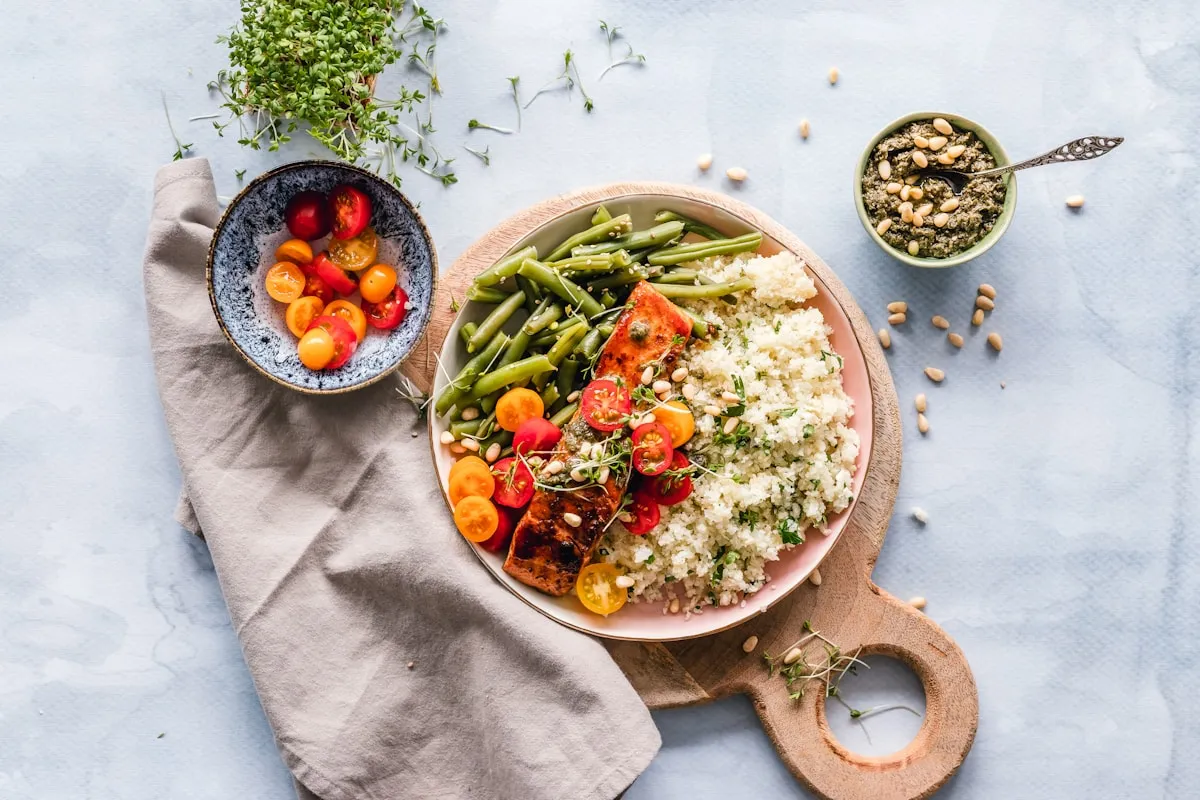
The choice of lentil is your next critical decision. For this specific texture, lean heavily toward red lentils. Unlike green or brown lentils, which have a sturdy outer skin and hold their shape, red lentils are "de-husked." As they simmer, they undergo a beautiful transformation: they break down and release their internal starches directly into the broth. This creates a natural thickening effect that gives the soup its characteristic "chowder" feel without needing any flour or heavy creams. If you prefer a heartier bite, you can mix in a handful of French green lentils, but for that signature creaminess, red is non-negotiable.
Let's talk about the "creamy" part of this healthy dinner ideas staple. Canned coconut milk is an emulsion of coconut fat and water. When you stir it into the hot lentil base, you are adding a layer of silkiness that coats the palate. However, fat can sometimes make a dish feel heavy or "muddy." This is where the science of acidity comes in. Check the flavor of your soup just before serving. If it feels like it’s missing a "spark," add a squeeze of fresh lime or lemon juice. The citric acid cuts through the richness of the coconut milk and the earthiness of the lentils, effectively "waking up" the other flavors.
Lastly, consider the "Maillard reaction" when starting your base. Don't just soften your onions; let them get a little golden. Those browned bits are concentrated sugars that provide a savory depth, often referred to as umami, which is essential in meat-free cooking. Use a heavy-bottomed pot to ensure even heat distribution and prevent the lentils from scorching at the bottom as they thicken.
Variations for Every Palate
One of the reasons this dish ranks so high among my favorite plant-based dinner ideas is its incredible versatility. You can easily pivot the flavor profile depending on what is lurking in your crisper drawer. If you want more "body," stir in a few handfuls of chopped kale or baby spinach during the last two minutes of cooking. The residual heat will wilt the greens perfectly without turning them into a gray, overcooked mush.
For a "Golden Turmeric" variation, double the amount of turmeric and add a pinch of black pepper. The piperine in black pepper actually increases the bioavailability of the curcumin in turmeric, making it even more of a nutritional powerhouse. If you crave heat, ditch the mild curry powder and opt for a spicy red curry paste. Sauté the paste with your aromatics to release the chili oils before adding your liquid base.
If you prefer a perfectly smooth, bisque-like consistency, grab your immersion blender. You can blend the entire pot for a uniform texture or just pulse it a few times to keep some whole lentils for contrast. Another popular twist is the "Sweet and Savory" route; adding small cubes of roasted sweet potato or butternut squash provides a sugary contrast to the salty, spiced broth. These variations keep your dinner routine from ever feeling stagnant.
Perfect Side Dish Pairings
While this soup is plenty filling on its own, the right side dish can turn it into a multi-textured feast. Because the soup is creamy and soft, you want to pair it with something that offers a "crunch" or a "chew." A thick slice of toasted sourdough is my go-to. The slight tang of the bread complements the coconut richness, and the sturdy crust is perfect for swiping up every last drop from the bottom of the bowl.
If you are looking for more traditional quick family meals, serve the soup over a bed of fluffy basmati or jasmine rice. The rice absorbs the fragrant broth, making it feel more like a hearty curry. For a lower-carb option, cauliflower rice works surprisingly well, providing a mild cabbage-like sweetness that fits right in.
For those who enjoy a bit of freshness on the side, a simple cucumber and red onion salad dressed in rice vinegar and a touch of agave provides a cold, crisp counterpoint to the hot, rich soup. This balance of temperatures and textures is what makes a meal feel "complete" rather than just "finished." Don't forget the toppings! A sprinkle of toasted coconut flakes or a handful of crushed peanuts adds a much-needed architectural element to the dish.
FAQ: Solving Your Soup Struggles
Why did my lentils stay crunchy after an hour of cooking?
This is a classic kitchen frustration. Usually, this happens for two reasons: old lentils or salt/acid added too early. Lentils that have been sitting in the back of your pantry for three years will never soften properly because their cell walls have become too dry and reinforced. Secondly, salt and acidic ingredients (like tomatoes or lemon juice) can toughen the skins of legumes if added at the very beginning. Always wait until the lentils are tender before you finalize your seasoning.
Can I use light coconut milk instead of full-fat?
You can, but you probably shouldn't if you want that luxurious mouthfeel. Light coconut milk is essentially full-fat coconut milk that has been watered down. If you use the light version, your soup will be thinner and less satisfying. If you are watching your fat intake, I suggest using less of the full-fat milk rather than the entire can of the light version.
How do I store and reheat this without it turning into a thick paste?
Lentils are notorious for continuing to soak up liquid long after the heat is turned off. If you store this in the fridge, it will likely thicken into a porridge-like consistency overnight. When reheating, simply add a splash of vegetable broth or water to bring it back to your desired thickness. It actually tastes better the next day as the spices have more time to meld!
Is this soup freezer-friendly?
Absolutely. This is a champion of quick family meals because it freezes so well. Just make sure to leave about an inch of space at the top of your container, as the liquid will expand when frozen. Thaw it in the fridge overnight and reheat it slowly on the stove. If the coconut milk has separated during the freezing process, a quick whisk or a few seconds with an immersion blender will bring the emulsion back together.
What if I don't have red lentils?
If you only have brown or green lentils, you can still make a version of this soup, but it won't have the same creamy breakdown. You will definitely need to blend at least half of the soup to achieve a similar consistency. Also, keep in mind that brown lentils take about 20-30 minutes longer to cook than red lentils, so adjust your cooking schedule accordingly.
Can I make this in a slow cooker or Instant Pot?
Yes! For an Instant Pot, use the sauté function for your aromatics and spices, then cook on high pressure for 10 minutes with a natural release. For a slow cooker, you can throw everything in (except the coconut milk and greens) and cook on low for 6-8 hours. Stir in the coconut milk just before serving to keep the flavor fresh. This makes it one of the easiest healthy dinner ideas for a busy Tuesday.
{“@type”:”BlogPosting”,”image”:”https://cdn.marblism.com/ntxH2OVmU0O.webp”,”author”:{“name”:”Penny”,”@type”:”Person”},”@context”:”https://schema.org”,”headline”:”Plant-Based Coconut Lentil Soup”,”publisher”:{“logo”:{“url”:”https://cdn.marblism.com/KxroJ1kM_KA.webp”,”@type”:”ImageObject”},”name”:”Cookpedia”,”@type”:”Organization”},”mainEntity”:[{“name”:”Why did my lentils stay crunchy after an hour of cooking?”,”@type”:”Question”,”acceptedAnswer”:{“text”:”Old lentils or adding salt and acid too early can keep lentils crunchy. Ensure your lentils are fresh and add salt/acid only after they have softened.”,”@type”:”Answer”}},{“name”:”Can I use light coconut milk instead of full-fat?”,”@type”:”Question”,”acceptedAnswer”:{“text”:”While possible, full-fat coconut milk provides the necessary emulsion for a creamy texture. Light coconut milk will result in a thinner, less rich soup.”,”@type”:”Answer”}},{“name”:”Is this soup freezer-friendly?”,”@type”:”Question”,”acceptedAnswer”:{“text”:”Yes, this soup freezes excellently. Leave room for expansion in the container and whisk or blend after reheating if the coconut milk separates.”,”@type”:”Answer”}}],”description”:”A creamy, protein-packed plant-based coconut lentil soup that is perfect for healthy dinner ideas. Learn the science of blooming spices and choosing the right lentils.”,”datePublished”:”2026-07-08″,”mainEntityOfPage”:{“@id”:”https://cookpedia.com/plant-based-coconut-lentil-soup”,”@type”:”WebPage”}}