Recipe
Servings
Servings 1×
Ingredients
- Lentils
- Pasta
- Noodles
- Broccoli
- Carrots
- Zucchini
- Mushrooms
- Tomatoes
- Onion
- Garlic
- Lemon
- Balsamic vinegar
- Coconut milk
- Cream
- Soy sauce or tamari
- Curry spices
- Chili seasoning
- Salt
Method
- Start by sautéing your aromatics, onions, carrots, and celery, until they are soft and beginning to brown.
- Use small brown or green lentils (like Puy or Beluga).
- Use a spiralizer to create your noodles, then lightly salt them in a colander for ten minutes.
- Mix your zucchini noodles with a bit of whole-wheat spaghetti.
If you have ever stared at a bag of lentils and wondered how to turn them into something that doesn’t taste like a health lecture, you are in the right place. We are taking the hearty, comforting soul of a traditional Italian ragù and giving it a modern, veggie-forward makeover. This Lentil Bolognese with zucchini noodles is one of those plant-based dinner ideas that actually satisfies that deep, savory craving without leaving you in a carb-induced coma. It is rich, it is thick, and it is surprisingly simple to master.
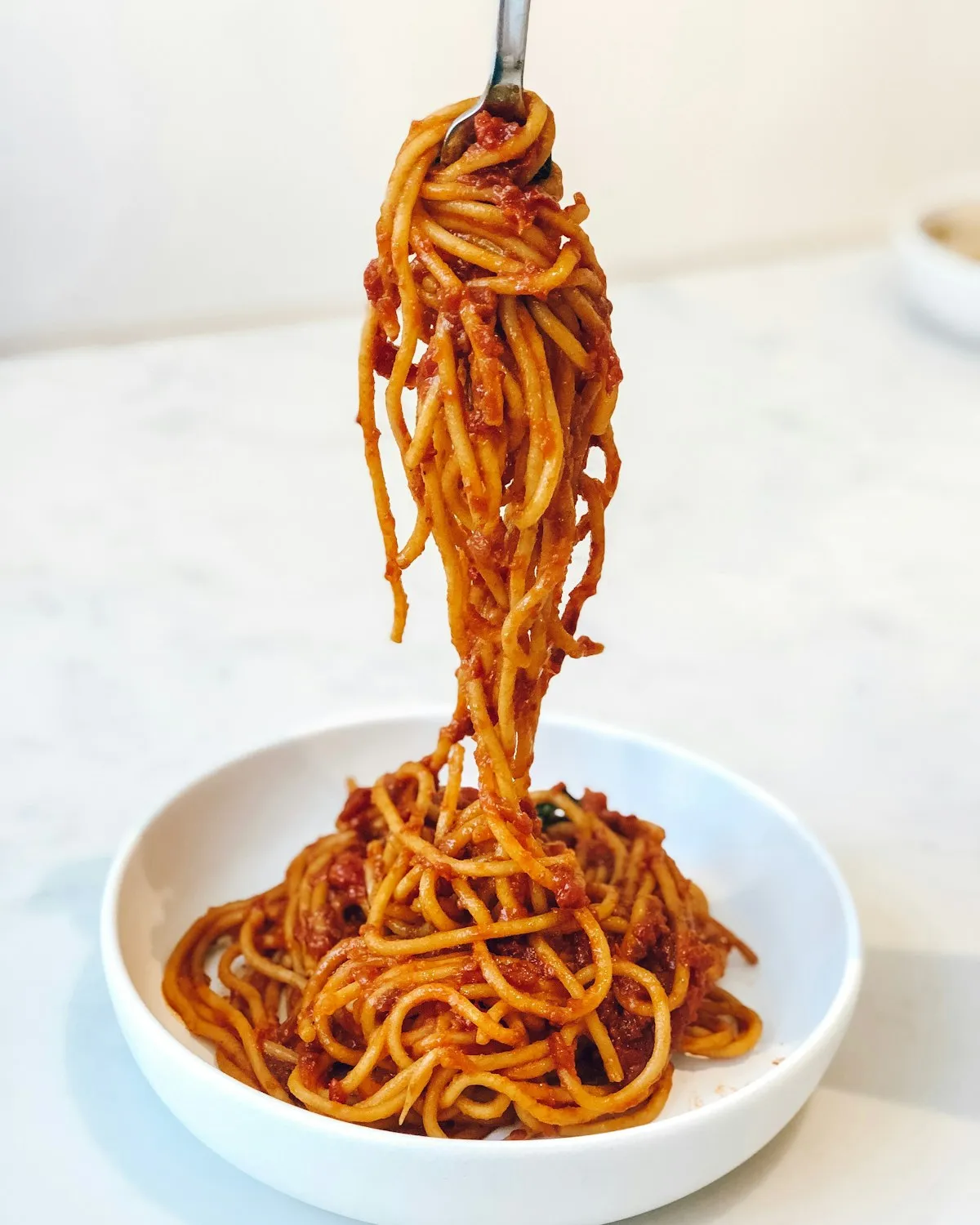
The Science of Savory: Building Umami and Texture
The biggest mistake people make with plant-based "meat" sauces is failing to build a flavor foundation. You cannot just boil lentils in tomato juice and expect a miracle. You need the Maillard reaction. Start by sautéing your aromatics, onions, carrots, and celery, until they are soft and beginning to brown. This caramelization creates the base sweetness that balances the acidity of the tomatoes later.
When it comes to the lentils themselves, selection is everything. Use small brown or green lentils (like Puy or Beluga). Avoid red lentils for this specific dish; while they are great for a budget-friendly red lentil dahl, they disintegrate into a mush that won’t give you the "mince" texture we want for a bolognese. The goal is to cook them until they are tender but still have a slight "bite." This is the same al dente principle you apply to simple pasta recipes.
To achieve that deep, meaty depth, you need umami boosters. Tomato paste is your best friend here. Don't just stir it in; fry it in the pan with your vegetables for two minutes until it turns a dark, rusty brick red. This removes the "tinny" raw taste and concentrates the natural glutamates. If the sauce still feels like it's missing a certain "punch," add a splash of balsamic vinegar or a teaspoon of tamari at the end. The acidity of the vinegar cuts through the richness of the lentils and brightens the whole pot.
Now, let’s talk about the zucchini noodles. Zucchini is roughly 95% water. If you cook them too long, you will end up with a watery soup instead of a plated dinner. Use a spiralizer to create your noodles, then lightly salt them in a colander for ten minutes. This process, called osmosis, draws out the excess moisture. Squeeze them gently with a kitchen towel before a very brief 2-minute sauté. Alternatively, keep them raw! The heat from the simmering bolognese is often enough to soften them perfectly once they hit the plate, maintaining that satisfying crunch that mimics traditional pasta.
Creative Variations for Every Palate
While the standard lentil-and-tomato combo is a classic, you can easily pivot this recipe to suit whatever is in your pantry. If you find the texture of lentils alone a bit too uniform, try adding finely chopped walnuts or mushrooms. Mushrooms, specifically cremini or shiitake, contain high levels of guanylate, another umami compound that works synergistically with the lentils to create a more complex flavor profile. Pulse them in a food processor until they are the size of breadcrumbs and sauté them right along with your onions.
For those who aren't strictly avoiding grains but still want quick healthy meals, you can do a "half-and-half" bowl. Mix your zucchini noodles with a bit of whole-wheat spaghetti. It’s a great bridge for kids or skeptics who are still getting used to vegetable-based noodles. If you want a creamier sauce, stir in a dollop of cashew cream or a splash of full-fat coconut milk (don't worry, it won't taste like a curry once the Italian herbs are in there) to mimic the traditional addition of milk in a Bolognese.
Balancing the Plate: Side Dish Pairings
A rich, earthy bolognese needs a bright, acidic, or crunchy partner to keep the meal balanced. Because the main dish is quite soft and savory, I recommend a side that offers a sharp contrast.
A simple plate of roasted broccoli with lemon zest and chili flakes is a winner. The char from the oven provides a smoky bitterness that works beautifully with the sweet tomato sauce. Alternatively, a crisp arugula salad with a heavy hit of lemon vinaigrette and some toasted pine nuts can provide the necessary acidity to cleanse the palate between bites of the rich ragù. If you aren't watching your carb intake too closely, a thick slice of sourdough rubbed with a raw garlic clove and toasted is the perfect vehicle for scooping up any leftover sauce at the bottom of the bowl.
Frequently Asked Questions
Why is my lentil bolognese watery?
This usually happens for two reasons: either the sauce didn't simmer long enough to reduce, or your zucchini noodles released their internal water after plating. Ensure you simmer the sauce uncovered for at least 20–30 minutes to let the steam escape and the flavors concentrate. For the noodles, use the salting and squeezing technique mentioned earlier to ensure they don't "leak" on your plate.
Can I make this in a slow cooker or pressure cooker?
Yes, but be careful with the lentils. In a pressure cooker, brown lentils only need about 8–10 minutes to reach the perfect texture. In a slow cooker, they can go for 4–6 hours on low. However, I always recommend sautéing your vegetables and tomato paste in a pan first before moving them to the slow cooker; otherwise, you lose that essential Maillard-driven depth of flavor.
How do I store leftovers without them getting mushy?
Store the bolognese sauce and the zucchini noodles in separate containers. The sauce actually tastes better the next day as the flavors continue to meld. However, zucchini noodles do not reheat well: they tend to lose all structure and turn to mush. If you are meal-prepping, keep the zucchini whole and spiralize them fresh right before you eat.
Is this dish high in protein?
Absolutely. Lentils are a powerhouse of plant-based protein and fiber. To boost it even further, you can top your bowl with a tablespoon of nutritional yeast (which has a cheesy flavor and complete protein) or a sprinkle of hemp seeds.
What if I don't have a spiralizer?
No problem. Use a standard vegetable peeler to create long, thin "ribbons" of zucchini. It creates a "pappardelle" style noodle that holds onto the thick lentil sauce even better than thin spirals. Check out our other quick healthy meals for more ways to use basic kitchen tools for gourmet results.
{“@type”:”BlogPosting”,”image”:[“https://cdn.marblism.com/wvxsBo2_L3B.webp”,”https://cdn.marblism.com/6jEQ2JLM1fN.webp”,”https://cdn.marblism.com/FTkeNOza-qI.webp”,”https://cdn.marblism.com/u0KD9lhS47f.webp”],”author”:{“name”:”Cookpedia”,”@type”:”Organization”},”@context”:”https://schema.org”,”headline”:”Plant-Based Dinner Ideas: Lentil Bolognese with Zucchini Noodles”,”publisher”:{“logo”:{“url”:”https://cookpedia.com/logo.png”,”@type”:”ImageObject”},”name”:”Cookpedia”,”@type”:”Organization”},”description”:”Discover how to make a rich, savory Lentil Bolognese served over zucchini noodles. A perfect addition to your plant-based dinner ideas, focusing on umami science and texture tips.”,”datePublished”:”2026-07-20″,”mainEntityOfPage”:{“@id”:”https://cookpedia.com/lentil-bolognese-zucchini-noodles”,”@type”:”WebPage”}}