Recipe
Servings
4 1×
Serves 4Prep 15 minCook 30 minTotal 45 min
Ingredients
- 2 medium eggplants, cut into 1-inch cubes
- 1 cup dry green or brown lentils, rinsed
- 2 cups cherry or grape tomatoes
- 3 tablespoons olive oil, divided
- 1 teaspoon ground cumin
- 1 teaspoon smoked paprika
- 1 garlic clove, finely grated
- 1 lemon, juiced
- 3 tablespoons tahini
- Salt and black pepper
- Chopped parsley or mint, for serving
- Optional: toasted seeds, olives, arugula, or plant-based yogurt
Method
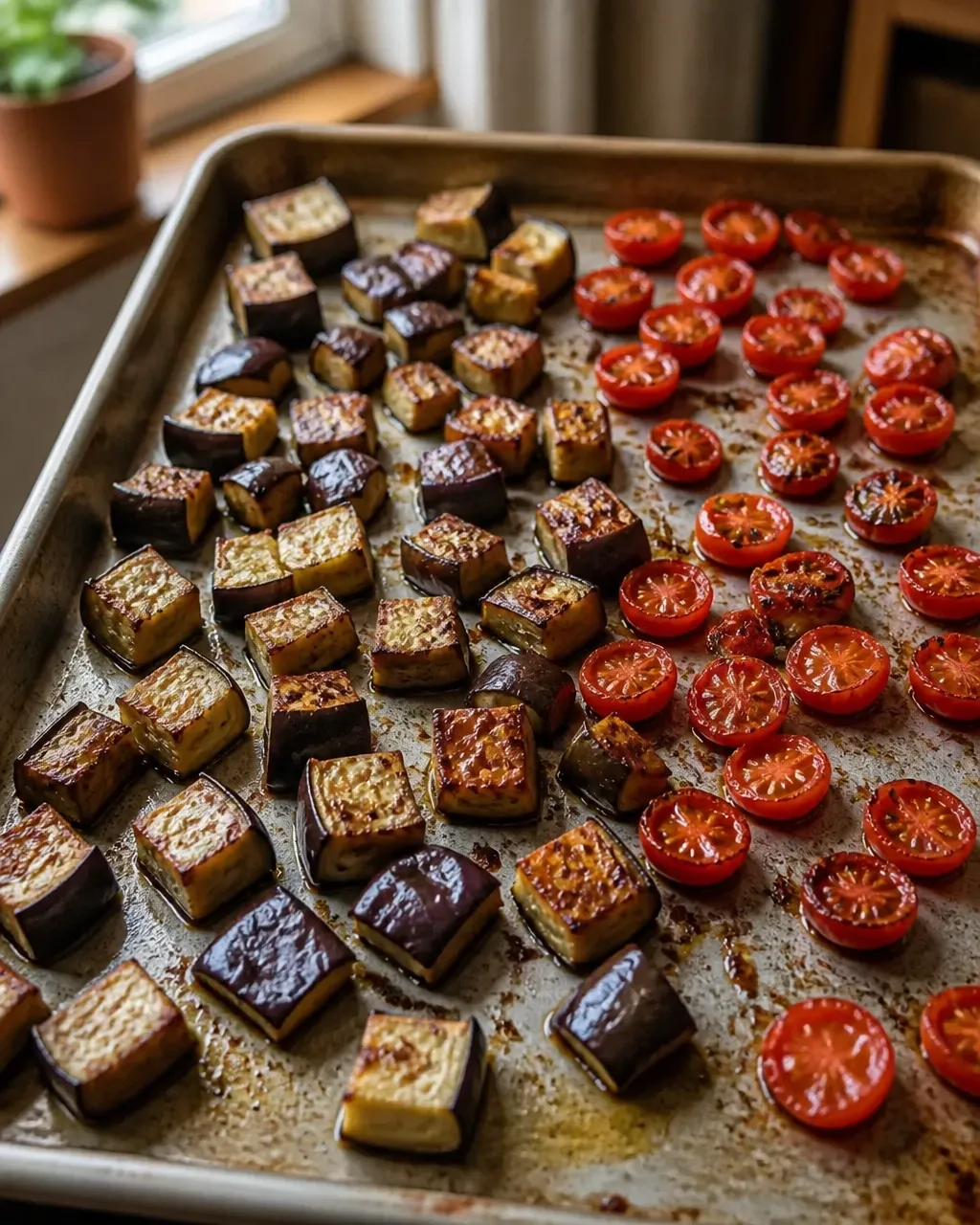
- Heat the oven to 425°F. Toss the eggplant and tomatoes with olive oil, cumin, smoked paprika, salt, and pepper. Roast until the eggplant is tender and browned and the tomatoes are blistered, about 25–30 minutes.
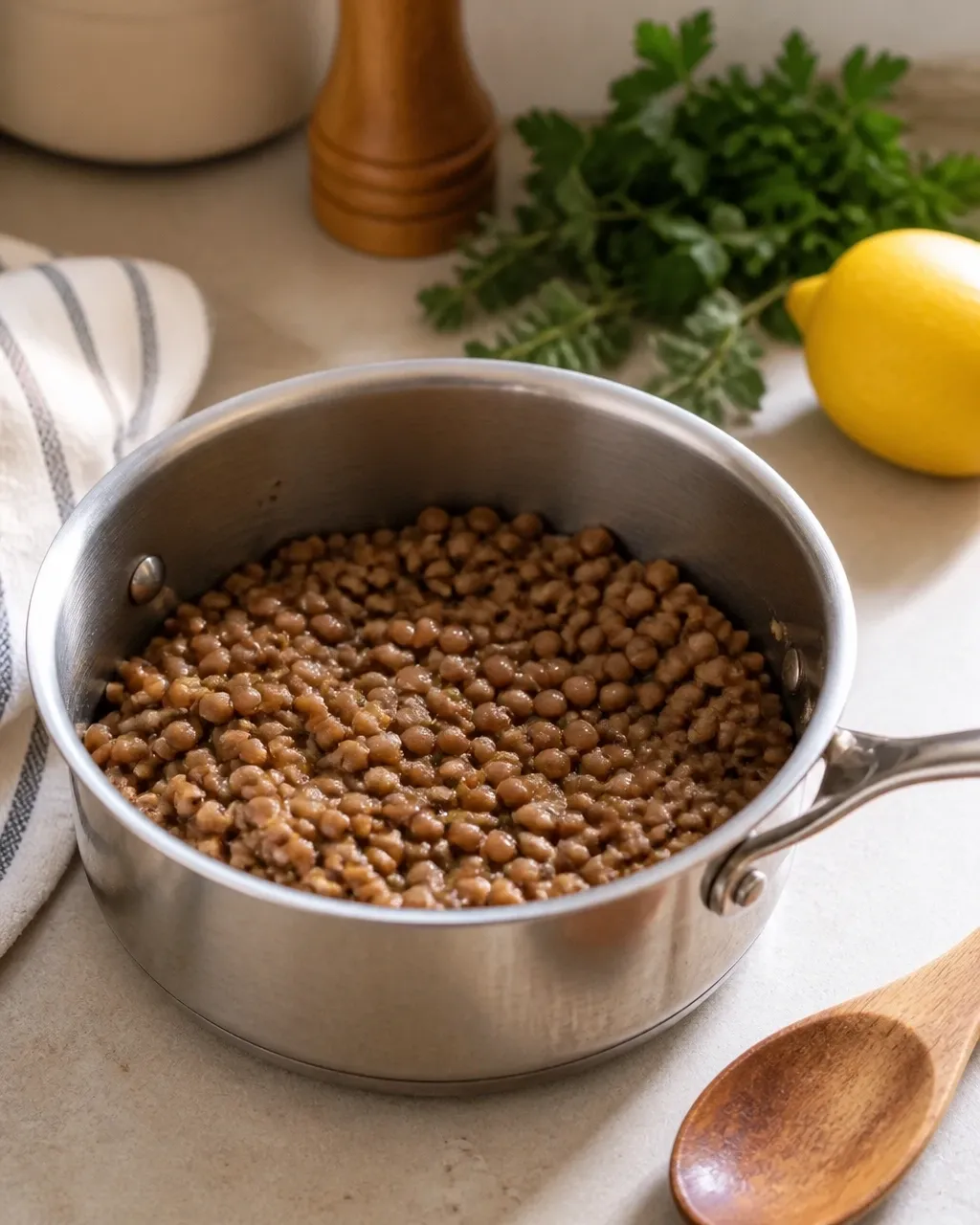
- Meanwhile, simmer the lentils in salted water until tender but still holding their shape, about 20–25 minutes. Drain thoroughly.
- Whisk the tahini, lemon juice, garlic, a tablespoon of olive oil, and enough water to make a pourable dressing.
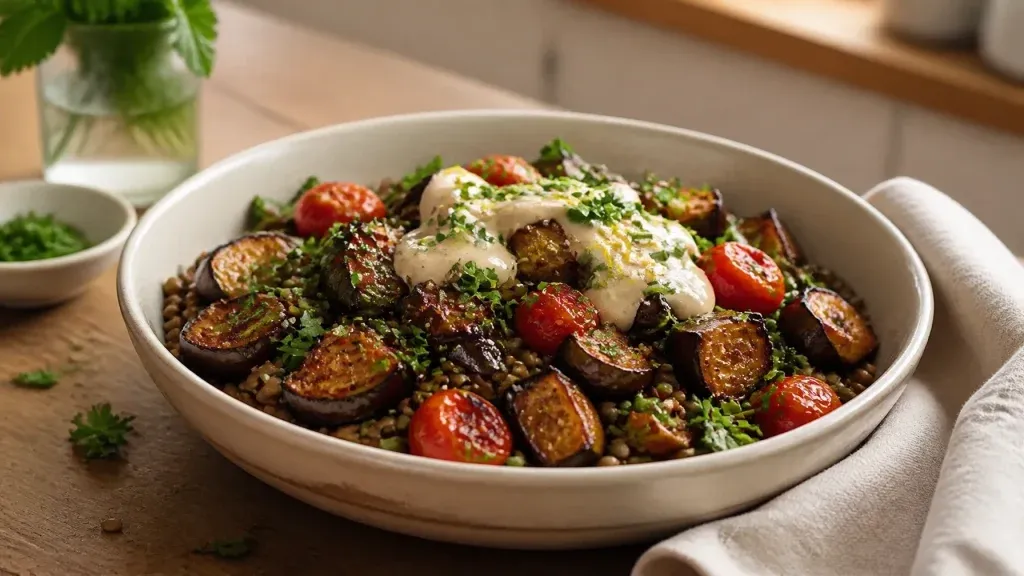
- Spoon the lentils into bowls, top with roasted eggplant and tomatoes, drizzle with dressing, and finish with herbs and any chosen toppings.
Some dinners ask you to babysit three pans and question your life choices. These roasted eggplant and lentil tomato bowls are much kinder. They bring together creamy, caramelized eggplant, earthy lentils, sweet blistered tomatoes, and a sharp tahini-lemon finish in one satisfying meal. I love this recipe because it feels generous without being heavy, and it works equally well for a quiet dinner, meal prep, or one of those quick family meals when everyone is suddenly hungry at once.
Tips and Technique: Build Flavor in Layers
Roast eggplant hot enough to brown
Eggplant has a reputation for turning soft and watery, but that is usually a heat-and-space problem rather than an eggplant problem. The vegetable contains a lot of water and a sponge-like interior, so it needs a hot oven and room to release steam.
Cut the eggplant into pieces of roughly similar size, then spread them in a single layer. Do not pile them into a crowded heap. Crowding traps moisture, and trapped moisture steams the eggplant instead of browning it. Steam is useful for dumplings; it is less exciting when your dinner was supposed to have golden edges.
Use a hot oven, around 425°F, and let the pieces develop browned corners before turning them. High heat encourages the Maillard reaction, the process that creates deeper savory flavors when proteins and sugars meet heat. Eggplant will not brown like a steak, but its exposed edges can become nutty, smoky, and wonderfully rich.
Salt eggplant briefly if you are working with a large or older one. Salting draws some moisture toward the surface through osmosis and can help the pieces roast more cleanly. Rinse and pat them very dry if you salt them. For small, fresh eggplant, you can skip this step. The non-negotiable is dryness: wet eggplant is difficult to brown.
Cook lentils gently, not aggressively
Treat lentils like a grain that wants a little respect. A hard, rolling boil can split their skins and turn the pot into a soft, beige situation. Simmer them gently instead, and check them before they become mushy.
Green or brown lentils are especially useful here because they hold their shape. You want them tender enough to bite comfortably but firm enough to remain distinct beside the roasted vegetables. That contrast matters: creamy eggplant, plump lentils, and juicy tomatoes make the bowl interesting from the first bite to the last.
Season the cooking liquid so the lentils absorb flavor from the inside. Plain lentils can taste flat even when the toppings are excellent. A little salt, garlic, cumin, or vegetable broth gives them a savory foundation. Drain them well, then let them sit for a few minutes so excess water can evaporate. Watery lentils dilute the dressing and make the bowl slump.
Let tomatoes concentrate their sweetness
Roasted tomatoes are not just decoration. They are the bowl’s built-in sauce. As tomatoes heat, their water evaporates, their flesh softens, and their natural sweetness becomes more concentrated. The juices collect on the roasting tray and cling to the lentils when everything is combined.
Cherry or grape tomatoes work particularly well because they split and blister without completely disappearing. Roast them alongside the eggplant if your tray has enough room. If the pan looks crowded, use a second tray. A little extra washing up is better than a tray full of steamed vegetables.
Look for softened skins, browned spots, and juices beginning to escape. Those are flavor signals. Raw tomatoes bring freshness; roasted tomatoes bring sweetness, acidity, and depth.
Finish with acid and fat
Eggplant and lentils are earthy, hearty ingredients. They need brightness to keep the final bowl from tasting dense. Add lemon juice at the end rather than early in the cooking process. Its acidity will taste fresher, and it will cut through the richness of the olive oil and tahini.
Tahini adds creamy texture and subtle bitterness, while lemon keeps it lively. Whisk the two together with a little water until the sauce loosens. Do not panic if the tahini thickens when the lemon first hits it. That is a normal emulsion trick: keep whisking and add water gradually until it becomes smooth.
Taste before serving. The bowl should have savory lentils, sweet tomatoes, rich eggplant, and a clear acidic lift. If it tastes dull, add lemon or salt before adding more oil. If it tastes sharp, soften it with a little tahini or olive oil. Balance is the whole game.
Assemble with a gentle hand
Combine the lentils and tomatoes first, then fold in the eggplant carefully. Roasted eggplant is tender and can collapse if stirred too enthusiastically. Spoon the mixture into shallow bowls, drizzle over the dressing, and finish with herbs.
For more texture, add toasted seeds, chopped walnuts, or crisp greens. Keep some toppings fresh and some warm. That hot-cold contrast makes a simple bowl feel far more complete.
This recipe fits comfortably beside Cookpedia’s vegetarian dinner recipes, and if you enjoy lentils in different forms, try our budget-friendly red lentil dahl next.
Variations to Keep the Bowl Interesting
Make it Mediterranean
Add chopped parsley, oregano, olives, and a few crumbled plant-based feta-style pieces. A spoonful of chopped sun-dried tomatoes will intensify the tomato flavor, while cucumber added just before serving brings cool crunch.
Add a smoky edge
Use smoked paprika and a pinch of chili flakes with the eggplant. Finish with a little grated lemon zest. The result tastes almost campfire-like without requiring you to build an actual campfire in the kitchen, which is generally for the best.
Turn it into a grain bowl
Serve the lentil mixture over cooked quinoa, brown rice, or bulgur. This makes the portions more substantial and stretches the recipe for another lunch. Keep the dressing separate if you are meal-prepping so the grains do not absorb all the moisture overnight.
Make it extra creamy
Add a spoonful of unsweetened plant-based yogurt to the tahini sauce. Garlic yogurt gives the bowl a softer, cooler finish, while a green herb sauce made with parsley, lemon, and olive oil makes it taste fresher.
For another plant-forward dinner with bold texture, browse Cookpedia’s mushroom tacos.
Side Dish Pairings: Add Contrast, Not Competition
Serve these bowls with something crisp and fresh. A cucumber salad with lemon, herbs, and a little vinegar cuts through the soft eggplant and creamy dressing. A simple arugula salad also works well because its peppery bite wakes up the lentils.
Add warm flatbread or toasted pita if you want something for scooping. Choose whole-grain bread for extra chew, or keep the meal lighter with crunchy lettuce cups.
For a heartier spread, serve a small dish of roasted carrots, steamed greens, or lemony green beans alongside the bowl. Avoid pairing it with another soft, creamy side such as mashed potatoes or a thick bean dip. The flavors may work, but the textures will all sit in the same chair. A bright, crunchy side is the better move.
FAQ: What If the Texture or Flavor Goes Wrong?
What if my eggplant turns soggy?
Spread it out and increase the heat slightly if your oven runs cool. Soggy eggplant usually means the pan is crowded, the pieces were wet, or the oven temperature dropped when a cold tray went in. Roast in batches if necessary. Also, avoid cutting the pieces too small; tiny cubes lose water quickly and can collapse before they brown.
What if my lentils become mushy?
Use a gentle simmer and start checking them early. Cooking times vary depending on the lentil’s age, variety, and water temperature. If they are already soft, drain them immediately and spread them on a plate to cool. Fold them into the vegetables carefully rather than stirring hard. They will still taste good, but the bowl will be more stew-like.
Can I use canned lentils?
Yes. Rinse and drain them well, then warm them briefly with cumin, garlic, and a little olive oil. Do not simmer them for a long time or they may break apart. Canned lentils are a useful shortcut when you need healthy dinner ideas without waiting for a pot to cook.
Why did my tahini dressing become thick and grainy?
That is normal when tahini meets lemon juice. Whisk continuously and add cold water one teaspoon at a time. The mixture will loosen and become creamy. If it tastes bitter, add more lemon, a pinch of salt, or a tiny amount of maple syrup. Do not pour in lots of water at once; thin it gradually so you can control the texture.
Can I prepare the bowls ahead?
Prepare the lentils, roasted vegetables, and dressing separately for up to three days in the refrigerator. Reheat the lentils and vegetables gently, then add the dressing and fresh herbs after warming. Store greens, cucumbers, seeds, and other crunchy toppings separately so they stay crisp.
How can I add more protein?
Increase the lentil portion, add chickpeas, or scatter toasted pumpkin seeds over the top. You can also serve the bowl with baked tofu. Keep the balance in mind: extra protein should add substance without burying the eggplant and tomatoes.
Is this recipe gluten-free?
The bowl itself is naturally gluten-free when served on its own. Check packaged vegetable broth, plant-based yogurt, and any spice blends if you use them. Serve with rice, quinoa, or gluten-free flatbread when needed.
What if the finished bowl tastes flat?
Check salt first, then add lemon juice. Salt sharpens the savory flavors, while acid creates contrast. Add herbs for freshness and toasted seeds for texture. Resist the urge to fix every bland dish with more oil; richness cannot replace seasoning.