Recipe
Servings
Servings 1×
Ingredients
- Tofu
- Noodles
- Rice
- Bread
- Potatoes
- Lime
- Peanut butter
- Butter
- Cooking oil
- Soy sauce or tamari
- Chili seasoning
Method
- Add the fact that it is fully plant-based, weeknight-friendly, and deeply satisfying, and you have one of my favourite plant-based dinner ideas for busy evenings.
- Press extra-firm tofu thoroughly, then blot it well.
- Cut the tofu into pieces with enough surface area to brown.
- Use a light coating of starch if you want a particularly crackly crust.
- Spread the pieces out and let the pan do its work.
- Let colour appear before moving anything.
Some dinners arrive quietly. This one kicks the door open wearing chilli oil and carrying a jar of peanut butter. This spicy peanut soba noodle bowl combines springy noodles, crisp-edged tofu, crunchy vegetables, and a creamy sauce with just enough heat to keep every bite interesting. Add the fact that it is fully plant-based, weeknight-friendly, and deeply satisfying, and you have one of my favourite plant-based dinner ideas for busy evenings.
Tips & Technique: Build Contrast, Not Chaos
The best noodle bowls are not about piling everything into one bowl and hoping for a miracle. Build contrast deliberately. Aim for creamy sauce against crisp tofu, chewy noodles against fresh vegetables, and rich peanut flavour against bright acidity. When each element has a job, dinner tastes balanced instead of busy.
Dry tofu browns; wet tofu steams
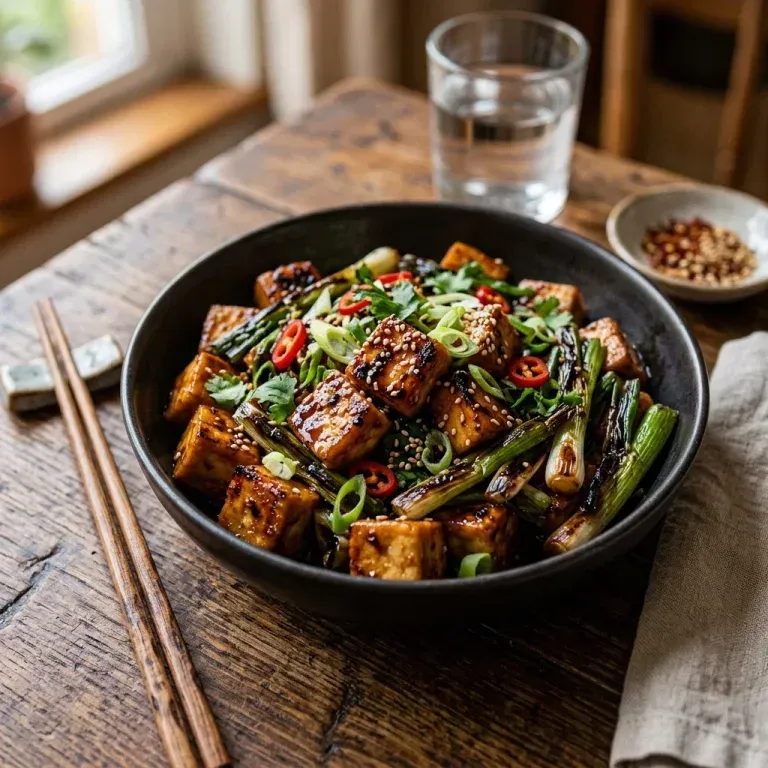
Treat moisture as the main obstacle to crispy tofu. Tofu contains plenty of water, and its surface must release that water before it can become hot enough to brown properly. If the exterior is damp, the pan spends its energy evaporating moisture. The tofu steams, the surface stays pale, and your hoped-for crispness wanders off to join a different dinner.
Press extra-firm tofu thoroughly, then blot it well. Do not obsess over making every cube bone-dry, but do remove the obvious surface moisture. A dry exterior gives heat a better chance to trigger the Maillard reaction, the family of browning reactions responsible for the savoury flavour of toast, roasted potatoes, and seared foods.
Cut the tofu into pieces with enough surface area to brown. Small cubes work beautifully, but chunky rectangles give you a more substantial bite. Use a light coating of starch if you want a particularly crackly crust. Starch absorbs lingering moisture and forms a dry shell that crisps in hot oil.
Give the tofu room to work
Avoid crowding the pan. When pieces are packed tightly together, steam gets trapped between them and the temperature drops. That is how you end up with tofu that is technically cooked but texturally reminiscent of a damp bath sponge.
Spread the pieces out and let the pan do its work. Resist the urge to stir constantly. Tofu needs uninterrupted contact with the hot surface to develop a crust, and that crust also helps it release more easily when you turn it. Let colour appear before moving anything. Patience is a cooking technique, even when it feels suspiciously like standing around.
Keep the heat lively but controlled. Excessively high heat can burn the outside before the centre warms, while low heat leaves the tofu greasy and pale. Use medium-high heat and watch the colour. You are looking for deep golden edges, not charcoal archaeology.
Balance peanut sauce with acidity and heat
Peanut butter brings fat, body, and roasted depth. It also needs a little help. Add acidity to stop the sauce from tasting heavy. Lime juice or rice vinegar brightens the mixture by cutting through richness and making the peanut flavour feel more focused.
Use a little sweetness to round off the sharper edges, but keep it restrained. The goal is not dessert noodles. A small amount of maple syrup or another plant-based sweetener helps balance salty soy sauce, tart acid, and chilli.
Thin the sauce gradually. Warm water or a splash of noodle cooking water loosens the peanut butter and helps it coat the noodles evenly. Cooking water contains starch, which can give the sauce a slightly silkier texture. Add too much liquid at once and you may get a thin puddle; add it slowly and you can stop when the sauce looks creamy and pourable.
Think of the sauce as an emulsion: tiny droplets of fat and water held together in a smooth mixture. Whisking helps those elements combine, while acidity adds brightness and keeps the flavour from becoming flat. If the sauce tightens as it sits, loosen it with another small splash of warm water.
Keep soba springy
Soba noodles can go from perfectly chewy to soft and clumpy with surprising speed. Cook them until just tender, then rinse them well under cool water. Rinsing removes excess surface starch, which helps prevent the noodles from sticking together in one large, determined noodle brick.
For a warm bowl, reheat the rinsed noodles briefly with the sauce. For a room-temperature bowl, toss them directly with the prepared sauce and vegetables. Either way, avoid letting dressed noodles sit around for too long. They continue absorbing sauce, so a bowl that looked perfectly glossy can become dry after ten minutes.
Check the label if you need a gluten-free meal. Soba may contain wheat unless it is made entirely from buckwheat. Buckwheat itself is naturally gluten-free, but noodle blends vary. Read the package rather than trusting the word “soba” to handle the paperwork.
Add the crispy tofu at the end. Wet sauce softens a crisp crust, so keep the tofu separate until serving or perch it on top. That way, the sauce coats the noodles while the tofu keeps its golden personality.
Variations: Change the Bowl Without Losing the Balance
Use this bowl as a flexible template rather than a strict little noodle dictator. Swap shredded cabbage for thinly sliced greens, use snap peas for extra crunch, or add roasted broccoli for a deeper, more substantial dinner. Choose vegetables with different textures so the bowl stays lively.
Make it milder by reducing the chilli and adding more lime. Increase the heat with sliced fresh chilli, chilli crisp, or a little hot sauce. Add grated ginger for warmth or garlic for savoury depth. Keep the peanut sauce creamy and bright, then adjust the heat gradually. You can always add more. Removing chilli after it has entered the bowl is considerably less convenient.
Try a nut-free version with sunflower seed butter. The flavour will be slightly earthier, but the same creamy-and-tangy structure still works. For a lighter bowl, use more crunchy vegetables and a little less sauce. For a heartier meal, add edamame or serve it with extra tofu.
If you usually browse air fryer recipes dinner collections, crisp the tofu in the air fryer instead of a skillet. The same rules still matter: dry the tofu, avoid overcrowding, and add the sauce after cooking. Use rice noodles or whole-wheat noodles if soba is unavailable, but expect a slightly different texture.
Side Dish Pairings: Add Freshness Where It Counts
Pair this bowl with something cool and crisp. A simple cucumber salad works especially well because its watery crunch cuts through the rich peanut sauce. Add cabbage, radishes, or herbs for more freshness without turning the meal into a second full recipe.
Serve lightly steamed broccoli or green beans if you want a warmer plate. Keep them barely tender so they retain some bite. Soft vegetables beside soft noodles can make the meal feel one-note, while a little crunch keeps every forkful interesting.
For extra acidity, add lime wedges at the table. A quick pickled vegetable topping also brings welcome sharpness. Choose one bright side rather than several competing ones. The noodle bowl already has plenty going on; it does not need a supporting cast of twelve.
For more simple, vegetable-forward inspiration, browse Cookpedia’s vegetarian dinner recipes and healthy recipes. If you need more weeknight ideas, the quick meals collection is a useful place to keep dinner moving.
FAQ: What If My Bowl Goes Wrong?
What if my tofu refuses to crisp?
Dry it more thoroughly and check the pan temperature. Moisture is usually the culprit, but overcrowding can cause the same problem by trapping steam. Give the pieces more space, use a thin layer of oil, and leave them undisturbed long enough to brown. Do not keep flipping them every few seconds. Tofu cannot develop a crust while being constantly relocated.
What if the tofu is crisp outside but bland inside?
Seasoning the surface helps, but tofu is mild by nature. That is not a flaw; it is an opportunity. Let the sauce provide most of the flavour, then add salt or soy sauce carefully. A crisp coating improves texture, while a bold peanut sauce supplies the savoury, spicy, tangy character.
What if my peanut sauce is too thick?
Whisk in warm water a little at a time. Noodle cooking water is especially useful because its starch can help the sauce cling. Avoid adding a large amount at once, or you may thin the sauce beyond repair. Stir between additions and stop when it flows easily from a spoon.
What if the sauce tastes heavy?
Add acid first. Lime juice or rice vinegar can sharpen the flavour and cut through the fat in the peanut butter. Add a small splash, taste, and repeat if needed. Then check the heat and salt. Rich sauces usually need brightness, not more sweetness.
What if my sauce separates?
This can happen when the peanut butter, water, and acidic ingredients are added too quickly or are different temperatures. Whisk firmly while adding liquid gradually. If it still separates, add a teaspoon of warm water and keep mixing. The sauce may not look perfectly restaurant-smooth, but it should become cohesive enough to coat the noodles.
What if my soba noodles turn sticky?
Rinse them thoroughly after cooking and drain them well. Excess starch creates stickiness, especially when noodles sit warm in a bowl. Toss them with the sauce soon after rinsing, and loosen them with a splash of water if they clump. Avoid overcooking; soft noodles are much more likely to collapse under a thick sauce.
Can I make this ahead?
Prepare the sauce and tofu separately, then store them apart from the noodles and vegetables. The tofu will soften in the refrigerator, but you can re-crisp it in a skillet or air fryer. Refresh the noodles with a little water before tossing. Keep crunchy toppings and herbs until serving so they stay fresh.
Is this a good option for healthy dinner ideas?
It can be, especially when you balance the bowl with plenty of vegetables and use the sauce thoughtfully. Peanut butter and tofu contribute satisfying fats and plant protein, while soba provides a hearty noodle base. “Plant-based” does not automatically mean every portion needs to be enormous, so serve a balanced bowl and adjust the sauce to your taste.
How do I keep this among my easiest quick family meals?
Organise the cooking around the longest task. Prepare the sauce while the noodles cook, and crisp the tofu while the vegetables are being cut or rinsed. Keep the toppings flexible and let everyone add their own chilli, herbs, or lime. A dinner that allows customisation is far less likely to trigger a table-side negotiation summit.
This spicy peanut soba noodle bowl succeeds because it respects texture. Dry and brown the tofu, keep the noodles springy, brighten the peanut sauce, and add fresh crunch at the finish. Follow those non-negotiables, and you will have a plant-based dinner that feels generous, colourful, and properly exciting( not merely responsible.)