Recipe
Servings
Servings 1×
Ingredients
- Chickpeas
- Quinoa
- Rice
- Carrots
- Spinach
- Kale
- Cucumber
- Onion
- Garlic
- Lemon
- Lime
- Tahini
- Coconut milk
- Cooking oil
- Sesame
- Curry spices
Method
- Prepare the ingredients described in the article and heat the cooking surface or oven as directed.
- Cook the main ingredients using the heat and timing guidance in the article.
- Finish with the seasonings and garnishes named in the article, then serve.
If your weeknight routine needs a serious flavor intervention, listen up. When I first tested this vegan coconut chickpea bowl with tahini dressing on my blog, I wanted something that hits every single craving, creamy, savory, nutty, and bright, without chaining you to the stove for hours. If you are hunting for healthy dinner ideas that actually taste like a reward rather than punishment, you have landed in the exact right spot. Let’s elevate your dinner game tonight.
The Chemistry of Flavor: Why Coconut Rice and Spiced Chickpeas Work
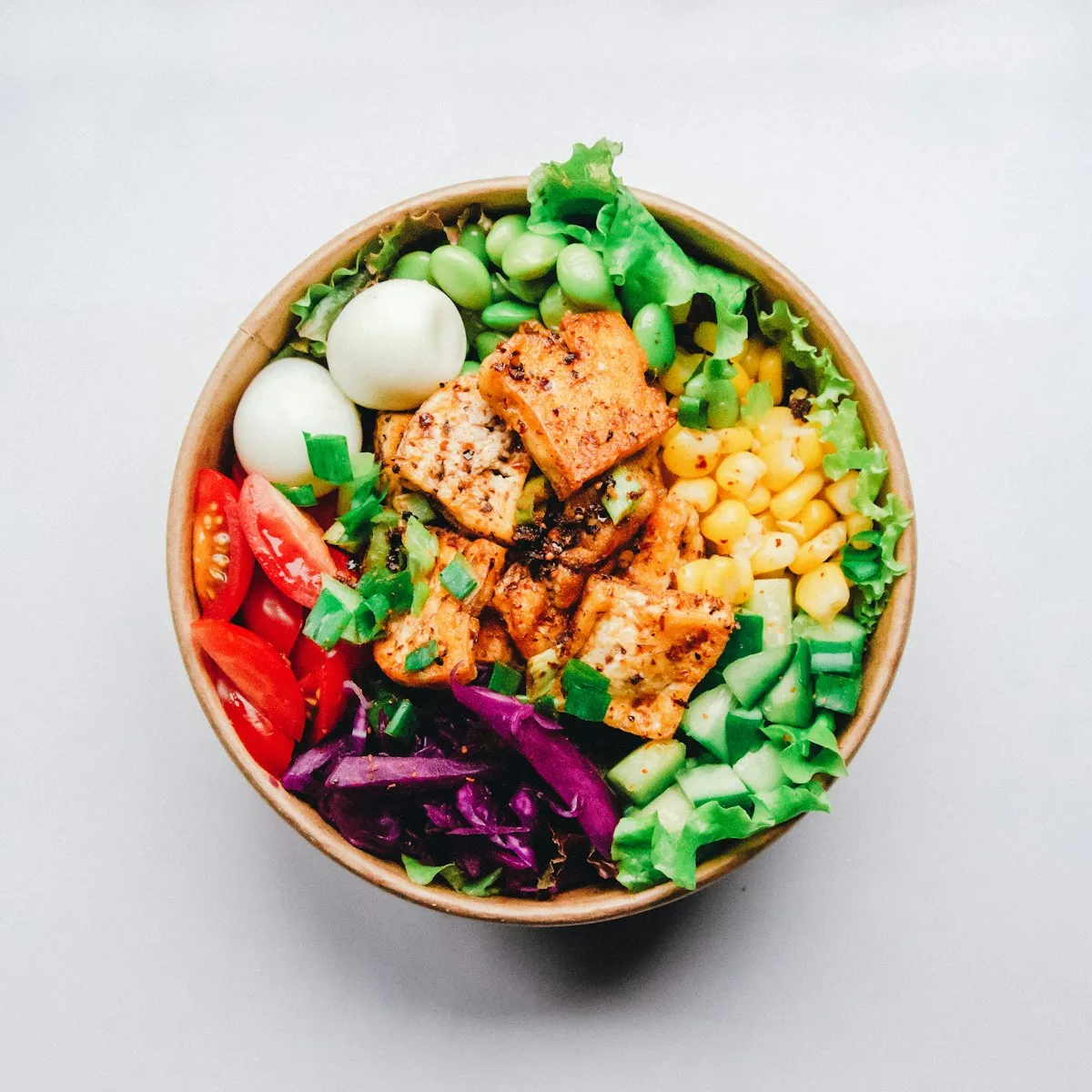
Mastering plant-based bowls isn't just about throwing random vegetables into a dish; it's about understanding how fat, acid, and heat interact on your palate. When you simmer grains in coconut milk, the fat molecules coat the rice starch grains. This lipid barrier prevents the grains from becoming gummy while infusing every single bite with subtle, luxurious richness. Never skip rinsing your rice, removing excess surface starch is non-negotiable if you want fluffy, distinct grains rather than a sticky paste.
Next, let's talk about the protein. Spiced chickpeas benefit enormously from dry-heat cooking. When you toss canned chickpeas into a hot skillet with coconut oil and spices, surface moisture evaporates rapidly. This allows fat-soluble aromatic compounds in curry powder and smoked paprika to bloom. Use medium heat and stir frequently; scorching spices will introduce bitter notes that ruin the delicate balance of the dish.
If you are pressed for time during busy evenings when assembling quick family meals feels like an Olympic sport, remember that you can easily adapt your cooking methods. For instance, if you love experimenting with air fryer recipes dinner shortcuts, toss your chickpeas with oil and spices and pop them into the air fryer for ten minutes at 380°F for ultra-crispy crunch without the stovetop babysitting.
The Tahini Secret: Mastering the Emulsion
The crowning glory of this bowl is undeniably the lemon-tahini dressing, but tahini can be notoriously tricky. Tahini is a sesame paste packed with natural oils and solids. When you add lemon juice and garlic to tahini, the mixture instantly seizes up and thickens into a pasty, unpourable glob. Do not panic! This is pure kitchen science at play.
The acid causes the proteins in the sesame paste to contract and trap the oil. To fix this and transform it into a silky, pourable drizzle, you must add water slowly, one tablespoon at a time, while whisking vigorously. The water hydrates the protein network, allowing it to relax and expand into a smooth emulsion. Always taste your dressing after the water is incorporated; raw garlic needs a moment to mellow, and a touch of maple syrup balances the natural bitterness of sesame. Check out our curated vegetarian dinner recipes for more plant-powered inspiration.
Creative Variations for Every Pantry
Cooking should never feel rigid. Once you master the core components of this bowl, feel free to customize based on what is lingering in your crisper drawer.
- Swap the sweet potato for roasted butternut squash or cubed carrots when root vegetables are in season.
- Substitute quinoa, millet, or forbidden black rice for the coconut jasmine rice if you want an extra protein and fiber boost.
- Toss in massaged lacinato kale or baby spinach; the residual heat from the grains and roasted vegetables will wilt the greens just enough without destroying their vibrant color or crunch.
- Switch up your proteins by exploring 30-minute meals or utilizing our favorite air fryer dinners when you want a different textural contrast.
Avoid overloading your bowl with too many competing sauces; let the tahini dressing remain the star moisture element so each distinct ingredient retains its voice.
Perfectly Balanced Side Dish Pairings
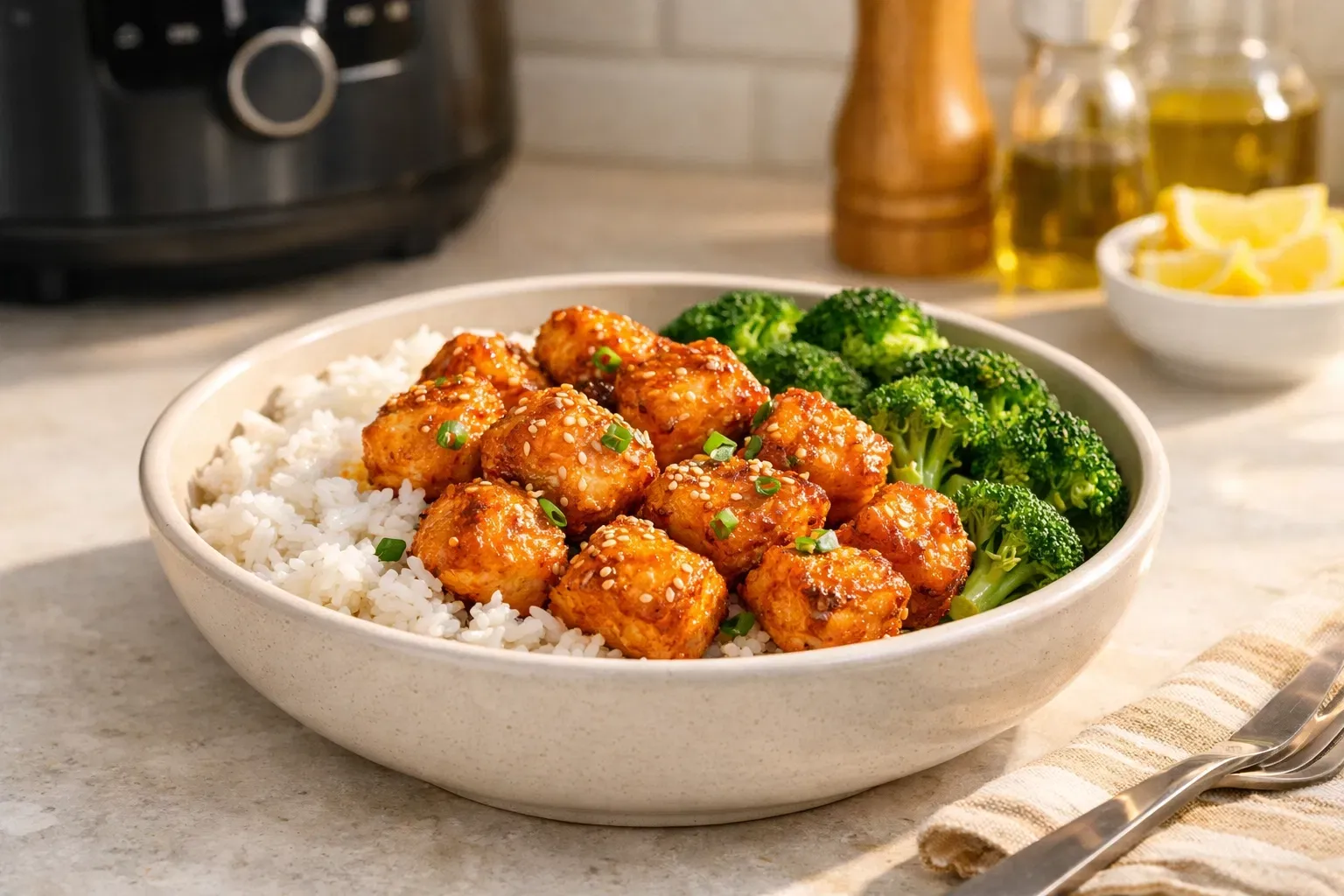
Because this coconut chickpea bowl is nutritionally robust, you rarely need heavy sides. However, if you are hosting friends or craving an expanded feast, pair your bowls with dishes that offer contrasting temperatures and acidity.
- Serve a sharp, vinegar-forward cucumber and radish ribbon salad dressed in rice vinegar and toasted sesame oil. The acetic acid will effortlessly cut through the rich coconut rice and nutty tahini dressing.
- Offer a platter of charred lime wedges and quick-pickled red onions to add bright pink pops of color and sharp crunch.
- Keep things light and refreshing so your palate stays engaged from the first bite to the last.
Frequently Asked Questions
Can I make the tahini dressing ahead of time?
Yes, absolutely! You can whisk the lemon tahini dressing up to four days in advance and store it in a sealed glass jar in the refrigerator. Because tahini contains high amounts of oil, it will firm up significantly when chilled. Before serving, remove it from the fridge and stir in a splash of warm water to loosen it back up to a pourable consistency.
What is the best way to store leftovers without making the bowl soggy?
Store your components separately in airtight containers in the refrigerator for up to three days. Keep your coconut rice, roasted sweet potatoes, spiced chickpeas, and fresh greens in individual compartments. When you are ready to eat, assemble your bowl cold or microwave the grains, chickpeas, and sweet potatoes for 60 seconds before adding your fresh greens and drizzling with the tahini sauce.
Can I use light coconut milk instead of full-fat?
You certainly can use light coconut milk for the rice, but keep in mind that fat carries flavor. Light coconut milk contains more water and less coconut fat, resulting in a slightly less rich rice base. If you use light coconut milk, consider adding a tiny pinch of salt or a half teaspoon of coconut oil to compensate for the lost richness.
How do I prevent my chickpeas from becoming chewy?
Chewy chickpeas usually happen when they are not drained properly or when cooked over overly low heat without enough oil. Always rinse and pat your chickpeas dry with a clean kitchen towel before cooking. Use enough oil to coat the pan and cook over medium-high heat so moisture steams off quickly, leaving you with a lightly crisped exterior.
{“@type”:”FAQPage”,”@context”:”https://schema.org”,”mainEntity”:[{“name”:”Can I make the tahini dressing ahead of time?”,”@type”:”Question”,”acceptedAnswer”:{“text”:”Yes, you can whisk the lemon tahini dressing up to four days in advance and store it in a sealed glass jar in the refrigerator. Stir in a splash of warm water before serving.”,”@type”:”Answer”}},{“name”:”What is the best way to store leftovers without making the bowl soggy?”,”@type”:”Question”,”acceptedAnswer”:{“text”:”Store your components separately in airtight containers in the refrigerator for up to three days, and assemble just before eating.”,”@type”:”Answer”}},{“name”:”Can I use light coconut milk instead of full-fat?”,”@type”:”Question”,”acceptedAnswer”:{“text”:”Yes, though light coconut milk contains more water and less fat, so you may want to add a half teaspoon of coconut oil for extra richness.”,”@type”:”Answer”}},{“name”:”How do I prevent my chickpeas from becoming chewy?”,”@type”:”Question”,”acceptedAnswer”:{“text”:”Pat your chickpeas dry before cooking and use medium-high heat with a little oil to ensure a lightly crisped exterior.”,”@type”:”Answer”}}]}