Recipe
Servings
Servings 1×
Ingredients
- Orzo
- Pasta
- Rice
- Apple
- Lemon
- Coconut milk
- Cream
- Hard cheese
- Cooking oil
Method
- Let’s get nerdy for a second.
- Use the one-pot method to maximize this effect.
- Stir your pot frequently, almost like you’re coaxing the creaminess out of the grains.
- Use nutritional yeast for a subtle, "cheesy" depth.
You’ve probably been there: it’s 6:00 PM, the hunger is real, and the thought of standing over a stove for an hour makes you want to order takeout for the third time this week. But what if I told you that you could have a bowl of velvet-smooth, restaurant-quality pasta in less time than it takes to scroll through your delivery app? Enter the world of creamy orzo. It is one of my favorite quick family meals because it feels like a warm hug but only requires about 15 minutes of your precious time. Mastering this plant-based gem is a total game-changer for anyone looking for healthy dinner ideas that don't sacrifice soul for speed.
The Science of Silk: Starch and Emulsification
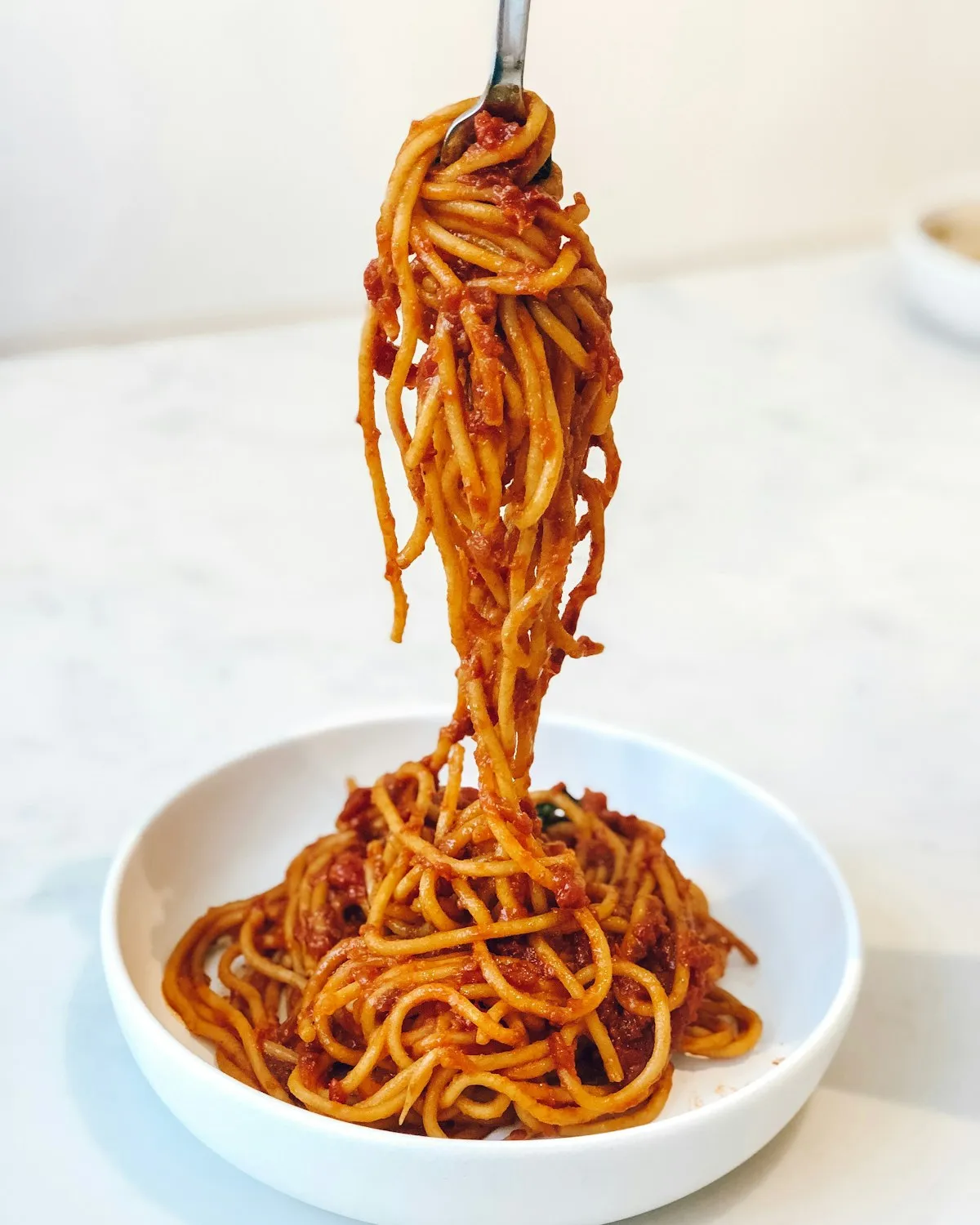
Let’s get nerdy for a second. The magic of a truly creamy plant-based orzo doesn't come from heavy cream; it comes from science. Orzo is a tiny pasta shaped like rice, and its small size means it has a massive surface-area-to-volume ratio. This is your best friend. As the orzo cooks in a small amount of liquid, it sheds starch into the pan. This starch isn’t a byproduct to be rinsed away; it is the natural thickener that creates a "sauce" out of thin air.
Use the one-pot method to maximize this effect. When you cook pasta in a massive pot of salted water and then drain it, you’re literally pouring the secret to creaminess down the sink. By cooking the orzo directly in a measured amount of broth and plant milk, you trap that starch. As the liquid reduces, the starch granules gelatinize, they swell up and bond with the fats in the dish. This creates a stable emulsion that coats every single grain of pasta in a glossy, velvety layer.
Don’t skip the toasting phase. Before you even think about adding liquid, toss your dry orzo into the pan with a little oil and your aromatics. This does two things: it develops a nutty, complex flavor through the Maillard reaction, and it creates a thin barrier on the outside of the grain. This helps the orzo maintain its integrity so you don't end up with a pot of mush. It's the same principle behind a great risotto, but we're doing it in a fraction of the time.
Stir your pot frequently, almost like you’re coaxing the creaminess out of the grains. This physical agitation helps knock those starch molecules loose into the liquid. If you just let it sit, the starch will settle at the bottom and burn, and your sauce will stay thin and watery. Constant movement is the key to that luxurious mouthfeel. Also, pay attention to your fat source. Since we aren't using dairy, you need a high-quality plant fat to mimic the richness. Canned coconut milk or a concentrated cashew cream are top-tier choices because their fat droplets are small and stable, allowing them to blend seamlessly with the pasta starch.
Elevating the Plate: Flavor Boosters and Texture
Once you’ve mastered the base technique, you can start playing with the "soul" of the dish. A plant-based sauce can sometimes feel a little flat compared to its dairy counterparts, but you can easily fix this with umami and acidity. Use nutritional yeast for a subtle, "cheesy" depth. It provides glutamates that trick your brain into thinking there’s a mound of parmesan in there.
Acidity is your other secret weapon. A splash of lemon juice or a tiny bit of apple cider vinegar right at the end cuts through the richness of the plant fats and makes the whole dish pop. It brightens the flavors and keeps the meal from feeling too heavy. If you want to dive deeper into these 15-minute meals, focus on high-impact ingredients like fresh herbs and aromatics that deliver big results with minimal prep.
Variations for Every Mood
The beauty of this 101 guide is that the base is a blank canvas. This is why it's a staple in the rotation of quick family meals. If you want something Mediterranean, stir in some sun-dried tomatoes and kalamata olives at the very end. The saltiness of the olives provides a great contrast to the creamy pasta.
For a green boost, fold in a few handfuls of baby spinach or frozen peas during the last two minutes of cooking. The residual heat will perfectly wilt the greens without overcooking them. If you’re feeling bold, try a spicy version by adding red pepper flakes or even a dollop of harissa to the aromatics while they sauté.
You can also swap your fat sources. While coconut milk is easy, a homemade sunflower seed cream (just blended seeds and water) works wonders for a nut-free, earthy vibe. For more inspiration on simple, fast pasta techniques, check out this lazy girl one-pan cacio e pepe, which uses similar starch-trapping logic to create a masterpiece in ten minutes.
Perfect Pairings: Balancing the Richness
Because this orzo is so rich and velvety, you want a side dish that provides some contrast. Think acidity, bitterness, and crunch. A simple arugula salad with a sharp lemon vinaigrette is my go-to. The peppery bite of the greens cuts right through the creamy sauce, refreshing your palate after every spoonful.
If you have a few extra minutes, roasted vegetables are an excellent choice. You could even look into air fryer recipes dinner options to get some crispy broccoli or cauliflower on the table without crowding your stovetop. The charred edges of air-fried vegetables add a smoky dimension that complements the nuttiness of the toasted orzo.
Keep the drinks light, too. A crisp glass of sparkling water with a lime wedge or a dry white wine will balance the meal perfectly. The goal is to keep the experience feeling fresh and vibrant, not bogged down by too many heavy components.
Frequently Asked Questions
Why did my orzo turn into a solid block of mush?
This usually happens for two reasons: too much liquid or overcooking. Use exactly the ratio specified in your recipe and keep a close eye on the clock. Orzo cooks fast! Once the liquid is mostly absorbed and the grains are tender but still have a slight bite (al dente), take it off the heat. It will continue to absorb liquid as it sits, so "stopping" early is better than waiting too long.
Can I use a different type of pasta for this?
Technically, yes, but orzo is the king of 15-minute creaminess because of its size. If you use a larger shape like penne, you’ll need more liquid and significantly more time. If you’re in the mood for something different but equally fast, you might enjoy this garlic butter ramen hack which uses a different kind of "quick" noodle logic.
My sauce looks split or greasy. What happened?
A split sauce means the emulsion broke. This often happens if you boil the plant milk too aggressively or if there isn't enough starch to hold the fat together. Next time, keep the heat at a gentle simmer and make sure you’re stirring frequently. If it splits at the end, a tiny splash of hot broth and a vigorous stir can sometimes bring it back together. This is a common hurdle when exploring healthy dinner ideas, but it’s an easy fix once you understand the science.
How do I reheat leftovers without it being dry?
Orzo is like a sponge. By the next day, it will have soaked up every drop of moisture. To reheat, put it back in a pan with a splash of plant milk or broth. Stir gently over low heat until it loosens up and becomes creamy again. Avoid the microwave if you can, as it tends to dry out the edges before the center is warm.
Is toasting the orzo really necessary?
In my blog, I consider it a non-negotiable. While you could skip it, you’d be missing out on a huge layer of flavor and risking a mushier texture. It takes exactly 60 seconds and transforms the dish from "boiled pasta" to "chef-level meal." Don't cut this corner!
{“@type”:”BlogPosting”,”image”:”https://cdn.marblism.com/ZbHpxb70zze.webp”,”author”:{“name”:”Penny”,”@type”:”Person”},”@context”:”https://schema.org”,”headline”:”Plant-Based Pasta 101: A Beginner’s Guide to Mastering Creamy 15-Minute Orzo”,”publisher”:{“logo”:{“url”:”https://cookpedia.com/logo.png”,”@type”:”ImageObject”},”name”:”Cookpedia”,”@type”:”Organization”},”description”:”Learn the science and technique behind making perfectly creamy, plant-based orzo pasta in just 15 minutes. A must-read guide for quick, healthy, and soulful home cooking.”,”datePublished”:”2026-06-14″,”mainEntityOfPage”:{“@id”:”https://cookpedia.com/plant-based-pasta-101-creamy-orzo”,”@type”:”WebPage”}}