Recipe
Servings
but when you marry them with the high-fat luxury of coconut milk and a heavy dose of spice science, you get a bowl of pure, unadulterated comfort. This isn't just "food"; it’s a chemical masterclass in your kitchen that yields a creamy, soul-warming result every single time. 1×
Serves but when you marry them with the high-fat luxury of coconut milk and a heavy dose of spice science, you get a bowl of pure, unadulterated comfort. This isn't just "food"; it’s a chemical masterclass in your kitchen that yields a creamy, soul-warming result every single time.
Ingredients
- Tofu
- Lentils
- Chickpeas
- Rice
- Greek yogurt
- Bread
- Kale
- Onion
- Lemon
- Lime
- Mustard
- Coconut milk
- Cream
- Cooking oil
- Curry spices
- Turmeric
- Salt
Method
- Use a heavy-bottomed pot to ensure even heat distribution.
- Cook most of the lentils until they are completely broken down, but toss in a handful of pre-cooked whole lentils or even some air-fried chickpeas at the end.
- Use mustard seeds, dried chilies, or even curry leaves for this final aromatic flourish.
- Add salt in small increments and finish with a squeeze of fresh lime juice.
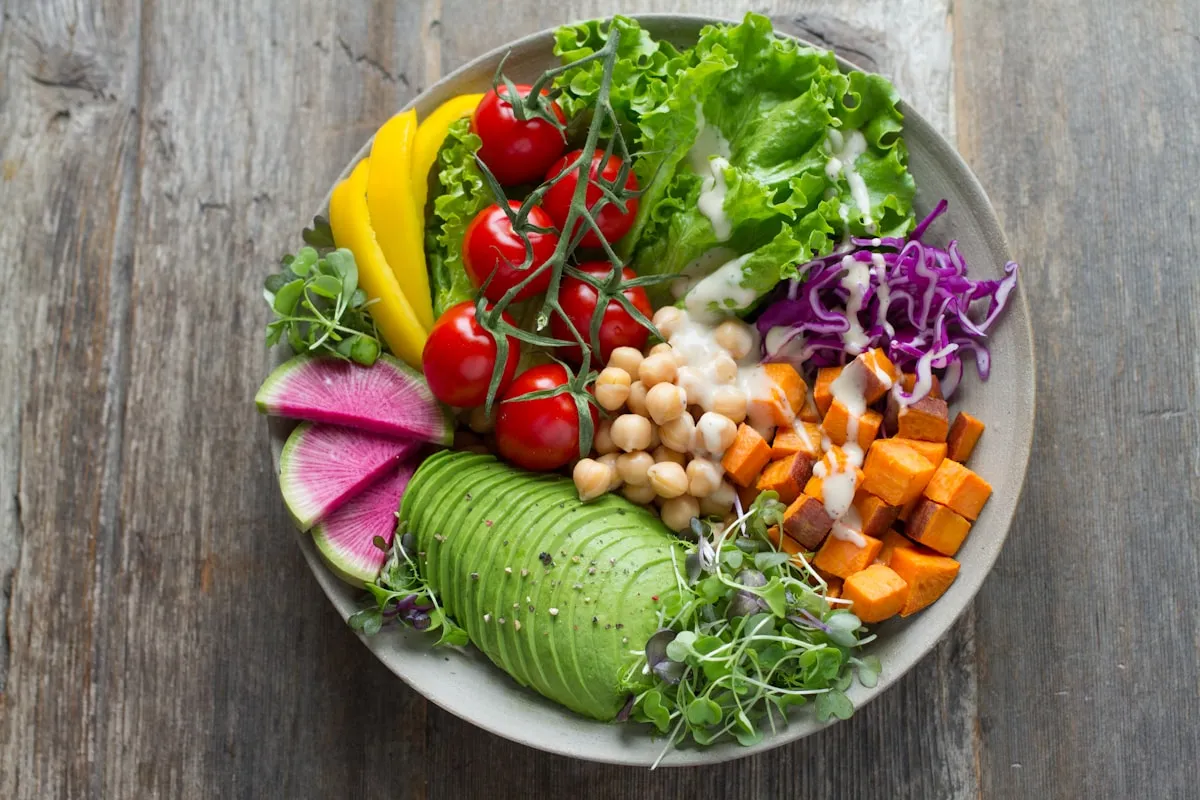
If you are tired of the same old rotation and need a winner for your quick family meals roster, look no further than the humble red lentil. I know what you’re thinking: lentils sound like something a 1970s health commune would serve: but when you marry them with the high-fat luxury of coconut milk and a heavy dose of spice science, you get a bowl of pure, unadulterated comfort. This isn't just "food"; it’s a chemical masterclass in your kitchen that yields a creamy, soul-warming result every single time.
The Science of the Perfect Simmer
Creating the perfect dal isn't about luck; it’s about managing starch and fat like a lab technician. When you drop red lentils into a hot liquid, you’re initiating a process called starch gelatinization. Around 65°C to 80°C, those tiny starch granules absorb water, swell up, and eventually lose their crystalline structure. Because red lentils are split and dehulled, they lack the structural "armor" of their brown or green cousins. This allows them to "melt" into the sauce, creating that signature thick consistency that makes this one of the most satisfying healthy dinner ideas you can find.
To maximize flavor, you must understand the "blooming" phase. Most of the heavy hitters in your spice rack: turmeric, cumin, and coriander: contain flavor compounds that are fat-soluble. If you just toss them into boiling water, you’re leaving 50% of the flavor on the table. Instead, bloom your spices in oil or fat first. The heat fractures the cell walls of the spices and allows the essential oils to dissolve into the fat. This ensures the flavor is carried throughout the entire dish rather than sitting in sad, gritty clumps.
The coconut milk adds another layer of complexity. It is an oil-in-water emulsion. When you simmer it with the gelatinizing lentil starch, the starch molecules actually help stabilize that emulsion. This prevents the fat from separating and gives you that silky, "lush" mouthfeel. Think of it as a natural glossy sauce technique tailored for plant-based cooking.
Use a heavy-bottomed pot to ensure even heat distribution. Avoid a rolling boil; you want a gentle simmer. A violent boil can break down the proteins too quickly and lead to a grainy texture. Check the consistency frequently. If it looks too thick, add water or broth in small increments. Remember, starch continues to hydrate even after you turn off the heat, so leave it slightly looser than your desired final result.
Engineering Your Flavor Profile
Once you’ve mastered the base chemistry, you can start tweaking the variables. If you want a deeper, more savory baseline, don't just soften your onions: caramelize them. This brings the Maillard reaction into play, where amino acids and reducing sugars create hundreds of new, complex flavor compounds. For a sharper, more vibrant finish, wait until the very end to add your acidity.
If you prefer a bit of texture, consider a "hybrid" approach. Cook most of the lentils until they are completely broken down, but toss in a handful of pre-cooked whole lentils or even some air-fried chickpeas at the end. Speaking of air frying, if you are looking for more air fryer recipes dinner enthusiasts will love, try air-frying some cubed tofu with turmeric and salt as a high-protein topper for your dal. The contrast between the creamy lentils and the crispy tofu is a textural upgrade you won't regret.
Experiment with the "Tarka" or tempering method. This involves frying whole spices in a small amount of oil in a separate pan and pouring the sizzling mixture over the dal just before serving. It provides a fresh, aromatic hit that balances the deep, slow-cooked notes of the lentils. Use mustard seeds, dried chilies, or even curry leaves for this final aromatic flourish.
Balancing the Plate
A great dal is rich and earthy, so you need side dishes that provide contrast. Think about acidity and crunch. Fluffy basmati rice is the classic choice because its light, airy structure acts as a sponge for the creamy sauce. However, don't overlook the power of a bright, citrusy slaw or a quick pickled red onion to cut through the coconut fat.
If you want to keep the meal feeling substantial, pair it with a piece of warm flatbread. The chewiness of the bread provides a necessary break from the soft texture of the dal. For those who enjoy a bit of heat, a dollop of spicy mango pickle or a lime-cilantro yogurt (using coconut yogurt to keep it plant-based) adds a refreshing zing. If you’ve already been looking through Cookpedia's easy meals, you know we value efficiency: so keep your sides simple. A handful of fresh greens tossed in lemon juice is often all you need to round out the plate.
Troubleshooting Your Dal
Why is my dal grainy?
This usually happens if the lentils haven't hydrated properly or if the heat was too high, causing the proteins to tighten up before the starch could gelatinize. Ensure you are using red lentils, as they are designed to break down. If you accidentally used whole brown lentils, they will never achieve this specific "melting" texture no matter how long you boil them.
Can I make this ahead of time?
Absolutely. In fact, dal often tastes better the next day. As it cools, the flavors continue to meld and the starch undergoes a process called retrogradation, which thickens the sauce further. When reheating, you will likely need to add a splash of water or coconut milk to bring back that creamy consistency.
Is dal actually a complete meal?
When you combine lentils (legumes) with rice or bread (grains), you create a complete protein profile containing all nine essential amino acids. This makes it one of the most efficient healthy dinner ideas for anyone moving toward a more plant-heavy diet. It’s a powerhouse of fiber and plant-based protein that keeps you full without the "heavy" feeling of meat-based stews.
What if I don't have coconut milk?
You can use cashew cream or even a splash of heavy cream if you aren't strictly plant-based, but you’ll miss the specific medium-chain triglycerides (fats) found in coconut that give this dish its unique tropical undertone. If you skip the fat entirely, the dal will be healthy but will lack that professional, restaurant-quality mouthfeel.
Can I use the air fryer for any part of this?
While you can't cook the dal itself in an air fryer, it is a fantastic tool for the garnishes. If you're bored of the usual air fryer recipes dinner lists, try using it to crisp up some kale chips or spiced chickpeas to sprinkle on top of your bowl. It adds a necessary crunch that takes the dish from "good" to "gourmet."
How do I fix a bland dal?
If your dal tastes flat, it’s usually a lack of salt or acidity. Salt is a flavor enhancer; it doesn't just make things salty, it unlocks the aromatic compounds of the spices. Add salt in small increments and finish with a squeeze of fresh lime juice. The acid brightens the entire flavor profile and makes the earthy lentils pop.
My dal is too watery, what now?
Simply keep simmering it uncovered. This allows water to evaporate, concentrating the starches. You can also take a ladle of the dal, blend it until smooth, and stir it back into the pot. This acts as a natural thickener and is a great "cheat code" for achieving that perfect Cookpedia-approved texture without adding flour or cornstarch. This is a staple for anyone building a collection of quick family meals that don't compromise on quality.