Recipe
Servings
Servings 1×
Cook 2 min
Ingredients
- The main ingredients named in the article
- Cooking oil
- Salt and black pepper
Method
- Let’s be honest: by Tuesday night, your brain is usually fried, and the last thing you want to do is spend an hour hovering over a hot stove.
- Pat your salmon bone-dry before it hits the oven.
- Use a paper towel and press firmly.
Let’s be honest: by Tuesday night, your brain is usually fried, and the last thing you want to do is spend an hour hovering over a hot stove. You want something that tastes like a five-star restaurant but requires the effort of making toast. Enter the 15-minute baked salmon. This is the cornerstone of my repertoire for quick healthy meals. It’s fast, it’s foolproof, and it’s arguably the most efficient way to get high-quality protein on the table without losing your sanity. Forget the complicated marinades; we’re going for high-impact flavor and minimalist prep.
The Science of "Hot and Fast"
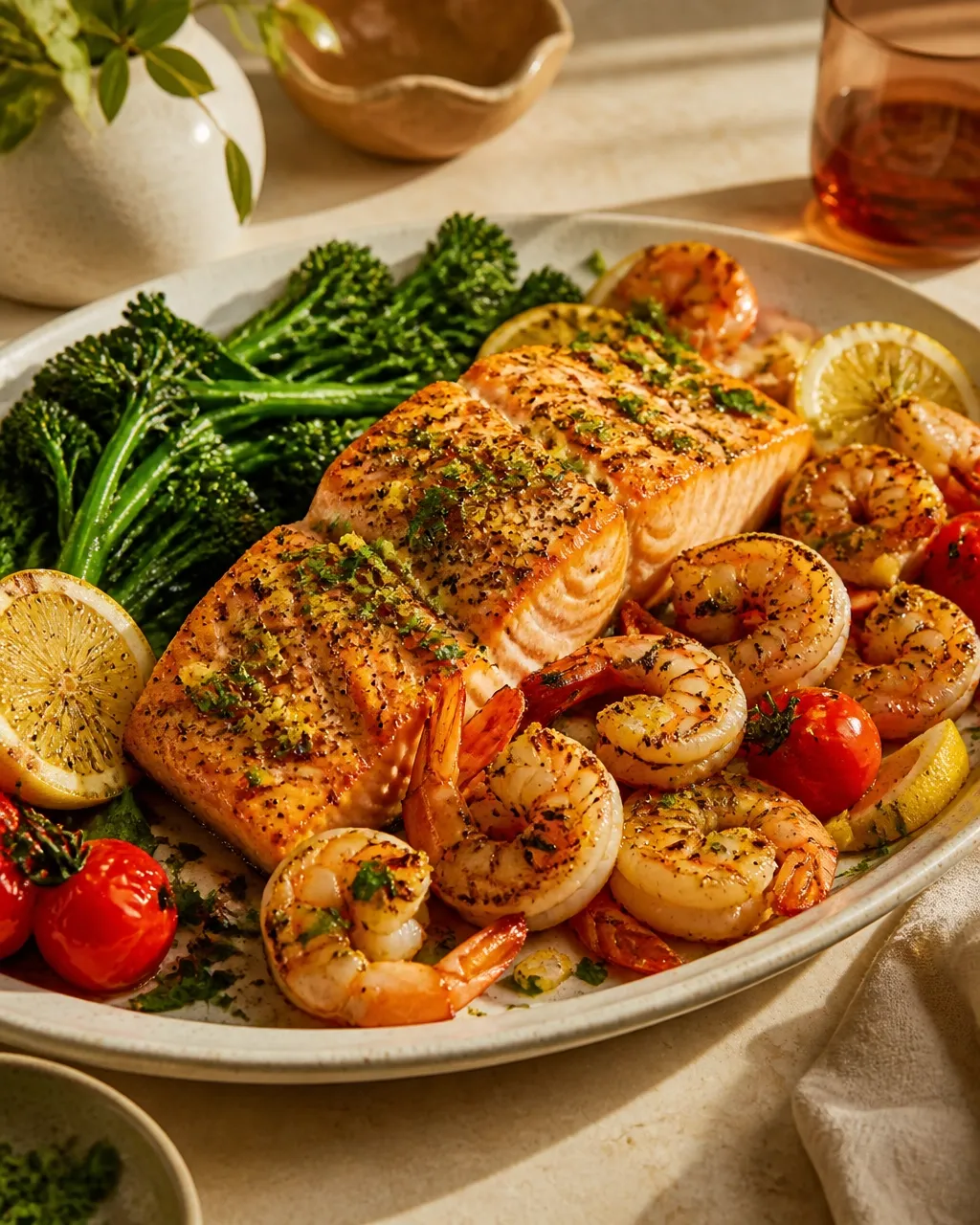
Most people are terrified of cooking fish because they think it’s a delicate flower that will wilt if they look at it wrong. In reality, the biggest enemy of your salmon isn't heat, it’s time. When you bake salmon at a low temperature for a long time, the muscle fibers have more time to contract and squeeze out moisture. This results in that sad, chalky texture and a puddle of white gunk on your baking sheet.
That white stuff is called albumin. It’s a liquid protein that exists inside the raw fish. When you cook it too slowly or for too long, those fibers tighten like a wringing sponge, forcing the albumin to the surface where it coagulates. To avoid this, use a high-heat method (400°F to 425°F). This "shocks" the exterior, setting the proteins quickly and trapping the moisture inside. It’s the secret to healthy weeknight dinners that actually taste juicy.
Pat your salmon bone-dry before it hits the oven. Use a paper towel and press firmly. Moisture on the surface creates steam, and steam is the enemy of a beautiful, roasted exterior. If the surface is dry, the heat can immediately go to work on creating a slight crust and rendering the fats, rather than wasting energy evaporating surface water.
Always use a meat thermometer. If you’re winging it by "eyeing" the fish, you’re playing a dangerous game. Pull the salmon out when the internal temperature hits 125°F for a medium-rare center or 130°F for medium. Carryover cooking is real; the temperature will continue to rise by about 5 degrees while the fish rests on your counter. If you wait until it hits 145°F in the oven, you’ve already overcooked it. Trust the physics, not your gut.
Variations for the Soul
Once you master the base technique, you can pivot faster than a toddler on a sugar rush. If you’re tired of the classic lemon and herb vibe, try a "dry rub" approach. Mix smoked paprika, garlic powder, and a pinch of coconut sugar. The sugar carmelizes under the high heat, giving you a smoky-sweet crust that feels much more complex than a 5-minute prep job.
For those who swear by their gadgets, this technique translates perfectly into air fryer recipes dinner enthusiasts love. Set your air fryer to 390°F and cook for about 8-10 minutes. The circulating air mimics a high-end convection oven, giving you even better "crunch" on the exterior while keeping the heart of the fillet tender. It's one of those healthy dinner ideas that works every single time.
If you’re cooking for a crowd and need quick family meals, go for the "Sheet Pan Special." Toss some thin asparagus or halved cherry tomatoes in olive oil and salt, and nestle the salmon right in the middle. Because we’re using high heat, these quick-cooking veggies will roast in the exact same time it takes for the salmon to reach its target temperature. It’s a complete meal with only one pan to scrub afterward.
Balancing the Plate: Pairings
Salmon is naturally rich and fatty, which is why it feels so satisfying. However, to make it a truly "soulful" meal, you need to balance that richness with acidity and a bit of crunch. Avoid heavy, cream-based sides that will leave you feeling sluggish.
Pair your salmon with something bright. A quick arugula salad with a sharp lemon vinaigrette works wonders because the citric acid cuts through the omega-3 fats of the fish. If you need a starch, stick to something minimalist like herbed quinoa or a 10-minute pasta. The goal is to complement the salmon, not compete with it. Check out our guide on 15-minute meals for more side dish inspiration that won't keep you in the kitchen all night.
FAQ: Solving the "What Ifs"
What if my salmon still has the skin on?
Cook it skin-side down. Always. The skin acts as a thermal barrier, protecting the delicate flesh from the direct heat of the pan. Plus, the fat layer between the skin and the meat will render, essentially "confit-ing" the bottom of the fillet in its own juices. Even if you don't plan on eating the skin, leave it on during the bake for a moister result.
What if I’m using frozen fillets?
Thaw them completely in a bowl of cold water (keep them in their bags) for 15-20 minutes. Never bake salmon from frozen if you want a good texture. The outside will turn to rubber before the inside even thinks about defrosting. If you're in a rush, a quick cold-water bath is your best friend.
What if I see a lot of white stuff on top?
Don't panic, but take it out immediately. That’s the albumin we talked about. It's perfectly safe to eat, but it’s a visual flare from your salmon saying, "Hey, I'm getting a little too hot!" Scrape it off with a knife if it bothers you, and remember to lower your cook time by 2 minutes next time.
Can I meal prep this?
Salmon is best eaten fresh, but if you must prep it, undercook it slightly (to about 120°F). When you reheat it in the microwave or a warm oven the next day, that extra bit of "doneness" will happen during the reheating process, preventing the dreaded "rubbery office fish" scenario.
{“@type”:”BlogPosting”,”about”:[{“name”:”Healthy Weeknight Dinners”,”@type”:”Thing”},{“name”:”Quick Healthy Meals”,”@type”:”Thing”}],”image”:”https://cdn.marblism.com/pGzsrHCP7Ae.webp”,”author”:{“name”:”Cookpedia”,”@type”:”Organization”},”@context”:”https://schema.org”,”headline”:”Quick 15-Minute Healthy Baked Salmon”,”publisher”:{“logo”:{“url”:”https://cdn.marblism.com/r31hCYxu5lk.webp”,”@type”:”ImageObject”},”name”:”Cookpedia”,”@type”:”Organization”},”description”:”Master the art of 15-minute healthy baked salmon with this science-backed guide. Learn why high heat is the secret to moist, flaky fish every time.”,”datePublished”:”2026-06-15″,”mainEntityOfPage”:{“@id”:”https://cookpedia.com/quick-15-minute-healthy-baked-salmon”,”@type”:”WebPage”}}
{“@type”:”FAQPage”,”@context”:”https://schema.org”,”mainEntity”:[{“name”:”What is the white stuff on my baked salmon?”,”@type”:”Question”,”acceptedAnswer”:{“text”:”The white substance is called albumin. It is a protein that is pushed out of the muscle fibers when salmon is cooked too quickly or overcooked. To minimize it, avoid overcooking and use high-heat, short-duration baking methods.”,”@type”:”Answer”}},{“name”:”At what temperature should I pull salmon out of the oven?”,”@type”:”Question”,”acceptedAnswer”:{“text”:”For the best texture, pull salmon out when it reaches an internal temperature of 125°F to 130°F. Carryover cooking will bring the final temperature up as it rests.”,”@type”:”Answer”}},{“name”:”Should I bake salmon with the skin on or off?”,”@type”:”Question”,”acceptedAnswer”:{“text”:”Bake with the skin on, skin-side down. The skin protects the meat from the pan’s direct heat and helps retain moisture during the baking process.”,”@type”:”Answer”}}]}