Recipe
Servings
Servings 1×
Ingredients
- Chicken
- Orzo
- Pasta
- Rice
- Bread
- Potatoes
- Broccoli
- Asparagus
- Spinach
- Tomatoes
- Lemon
- Cream
- Feta
- Butter
- Cooking oil
Method
- Let’s be honest: your weeknight kitchen usually feels more like a frantic reality TV set than a peaceful culinary sanctuary.
- Use a wide, shallow skillet rather than a deep pot.
- Keep the heat at a steady simmer.
- Use high heat to get some char on the vegetables without turning them into mush.
Let’s be honest: your weeknight kitchen usually feels more like a frantic reality TV set than a peaceful culinary sanctuary. You need a win that doesn't involve three different pans and an hour of scrubbing. Enter the one-pot wonder. This chicken and orzo dish is the ultimate solution for anyone hunting for quick family meals that actually taste like you spent the afternoon hovering over the stove. It’s fast, it’s creamy, and it’s about to become your new best friend.
The Science of the Skillet: Why One Pot Wins
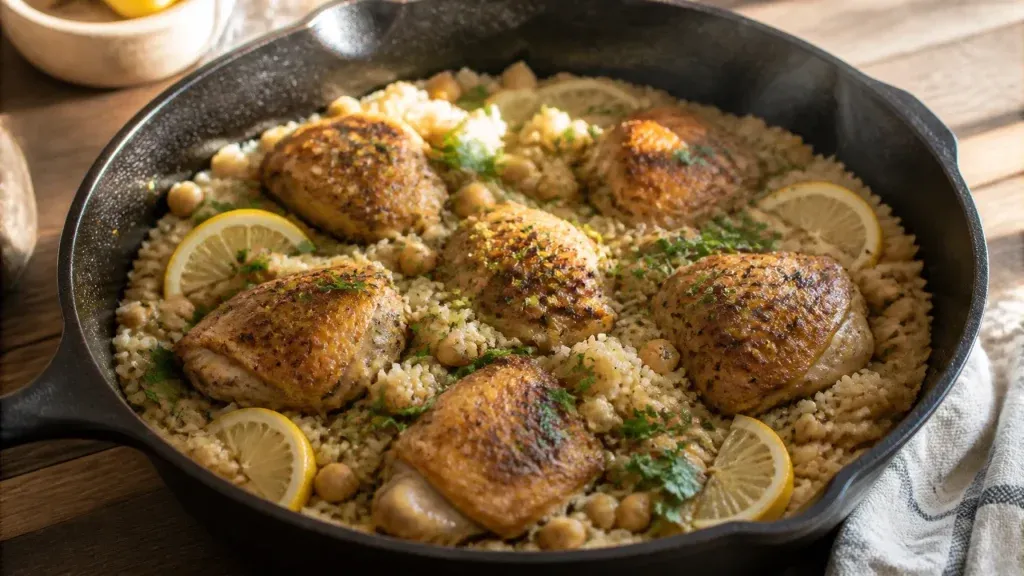
Cooking everything in one pan isn't just about avoiding a sink full of dishes; it’s a strategic flavor move. When you sear chicken directly in the pan you plan to cook your pasta in, you are creating a "fond." These are those glorious, browned, caramelized bits of protein and sugars stuck to the bottom. In the culinary world, that is liquid gold. When you eventually add your liquid, those bits dissolve and infuse every single grain of orzo with a deep, savory intensity that you simply can't get by boiling pasta in a separate pot of water.
Now, let’s talk about the orzo itself. Orzo looks like rice, but it’s actually a tiny pasta made from durum wheat. This is a crucial distinction. Because it’s pasta, it undergoes a process called starch gelatinization. As it cooks in the broth, it releases surface starches directly into the liquid. In a traditional pasta-boiling scenario, you dump that starchy water down the drain. Here, that starch stays in the pan, acting as a natural thickener. This creates a velvety, risotto-like sauce without you having to stand there for 30 minutes stirring a pot.
To maximize this effect, always toast your dry orzo in a bit of fat: whether that's butter, olive oil, or the rendered chicken fat: before adding any liquid. This is a non-negotiable step. Toasting the orzo for two or three minutes until it smells slightly nutty does two things: it adds a layer of complex, toasted flavor (thanks to the Maillard reaction), and it creates a protective barrier around the grain. This barrier slows down the water absorption just enough to ensure your pasta stays al dente rather than turning into a mushy, gluey mess.
Temperature management is your next hurdle. Use a wide, shallow skillet rather than a deep pot. A wider surface area allows for more even evaporation and ensures the chicken skin stays crispy above the liquid line while the orzo simmers below. If you crowd the pan or use a pot that's too narrow, you’ll end up steaming the chicken, which results in rubbery skin. Keep the heat at a steady simmer. If the liquid boils too vigorously, the starch will break down too fast, leading to a gummy texture. Think of it as a gentle hot tub for your dinner, not a violent whirlpool. If you're looking for more ways to speed up your routine, check out our 15-minute meals collection for other high-speed wins.
Flavor Riffs and Balancing Acts
The beauty of this base is how easily it adapts to different flavor profiles. The goal is always balance: specifically, using acidity to cut through the richness of the chicken fat and the starchy pasta. If you want something Mediterranean, lean heavily into lemon juice, zest, and a handful of feta cheese at the very end. The sharp, salty punch of the feta and the bright citrus notes will lift the entire dish, making it feel light and vibrant.
For a richer, more comforting vibe, stir in a spoonful of heavy cream or a dollop of mascarpone once the orzo is tender. To keep it within the realm of healthy dinner ideas, balance that creaminess with a massive handful of fresh baby spinach. The residual heat from the pan will wilt the spinach in seconds, adding color and nutrients without requiring any extra cooking time.
If you're feeling adventurous, go for a sun-dried tomato and basil version. The concentrated sweetness of the sun-dried tomatoes adds a "umami" depth that pairs perfectly with the chicken. Just remember: whatever variation you choose, add your fresh herbs at the very end. Soft herbs like basil, parsley, or dill lose their vibrancy and flavor if they’re simmered for too long. Treat them as a finishing touch, not a starting ingredient. For another one-pan classic that plays with these same rules of simplicity, you might love our one-pan cacio e pepe.
The Perfect Side: Cutting the Carb Load
Since chicken and orzo is a relatively heavy, carb-forward meal, your side dishes need to provide a contrast in texture and temperature. Avoid starchy sides like bread or potatoes. Instead, look for something crisp, raw, or acidic to reset your palate between bites.
A simple arugula salad is my go-to. The peppery bite of arugula combined with a sharp lemon vinaigrette acts as a "cleanser" for the palate. If you want something warm, try charred broccolini or quick-sauteed asparagus. Use high heat to get some char on the vegetables without turning them into mush. The bitterness of charred greens is the perfect foil for the creamy, savory orzo.
If you are a fan of using appliances to save time, you can even toss some broccoli florets into the basket for some air fryer recipes dinner style crisping while the orzo simmers on the stove. This keeps your stovetop clear and ensures everything finishes at the exact same time.
FAQ: Solving the "What Ifs"
Why is my orzo still crunchy after the liquid is gone?
This usually happens because the heat was too high, causing the liquid to evaporate before the pasta could actually absorb it. Orzo needs a gentle simmer, not a rolling boil. If this happens, don't panic. Add another half-cup of hot broth or water, cover the pan with a lid, and let it sit off the heat for five minutes. The carryover steam will usually finish the job.
Can I use chicken breasts instead of thighs?
You can, but proceed with caution. Chicken breasts are much leaner and dry out significantly faster than thighs. If you use breasts, sear them just long enough to get some color, then remove them from the pan. Only add them back in for the last 3-4 minutes of the orzo’s simmering time. Thighs are far more forgiving in a one-pot setting because their higher fat content keeps them juicy even if they simmer a minute too long.
My sauce turned out "gluey": what went wrong?
You likely over-stirred or over-cooked the orzo. Constant agitation breaks the exterior of the pasta, releasing too much starch too quickly. Stir just enough to keep the orzo from sticking to the bottom of the pan. Also, ensure you aren't using a "quick-cook" orzo variety, which is designed for soups and breaks down much faster than standard dried orzo.
Can I make this dairy-free?
Absolutely. The creaminess actually comes primarily from the starch in the orzo, not necessarily from added dairy. If you skip the parmesan or cream at the end, just ensure your broth is high-quality and well-seasoned. A splash of coconut milk or a drizzle of high-quality extra virgin olive oil at the end can provide that fatty mouthfeel without the dairy.
What if I don't have chicken broth?
Water is your last resort, but it won't provide the same depth. If you must use water, be aggressive with your seasonings. Increase the salt, add a bouillon cube, or deglaze with a heavy splash of dry white wine before adding the water. The wine adds acidity and complexity that water alone can't provide. If you're looking for more quick flavor hacks, our garlic butter ramen guide is full of tips for building flavor fast.
{“@type”:”BlogPosting”,”image”:”https://cdn.marblism.com/8TqahOKslwq.webp”,”author”:{“name”:”Penny”,”@type”:”Person”},”@context”:”https://schema.org”,”headline”:”Quick 15-Minute One Pot Chicken and Orzo”,”publisher”:{“logo”:{“url”:”https://cookpedia.com/logo.png”,”@type”:”ImageObject”},”name”:”Cookpedia”,”@type”:”Organization”},”description”:”A guide to making a creamy, flavorful 15-minute one-pot chicken and orzo dish, focusing on the science of starch and the importance of searing for maximum flavor.”,”datePublished”:”2026-06-18″,”mainEntityOfPage”:{“@id”:”https://cookpedia.com/quick-15-minute-one-pot-chicken-and-orzo”,”@type”:”WebPage”}}