Recipe
Servings
Servings 1×
Ingredients
- Chickpeas
- Beans
- Spinach
- Kale
- Garlic
- Fresh ginger
- Lemon
- Lime
- Mustard
- Coconut milk
- Cream
- Cooking oil
- Turmeric
- Salt
- Black pepper
Method
- Use hot oil to wake those spices up.
- Give them thirty to sixty seconds before any liquid goes in.
- Keep it lively, not violent.
- Use acidity strategically.
- Add it at the end and let residual heat wilt it gently.
- Add it late and you preserve the texture you created.
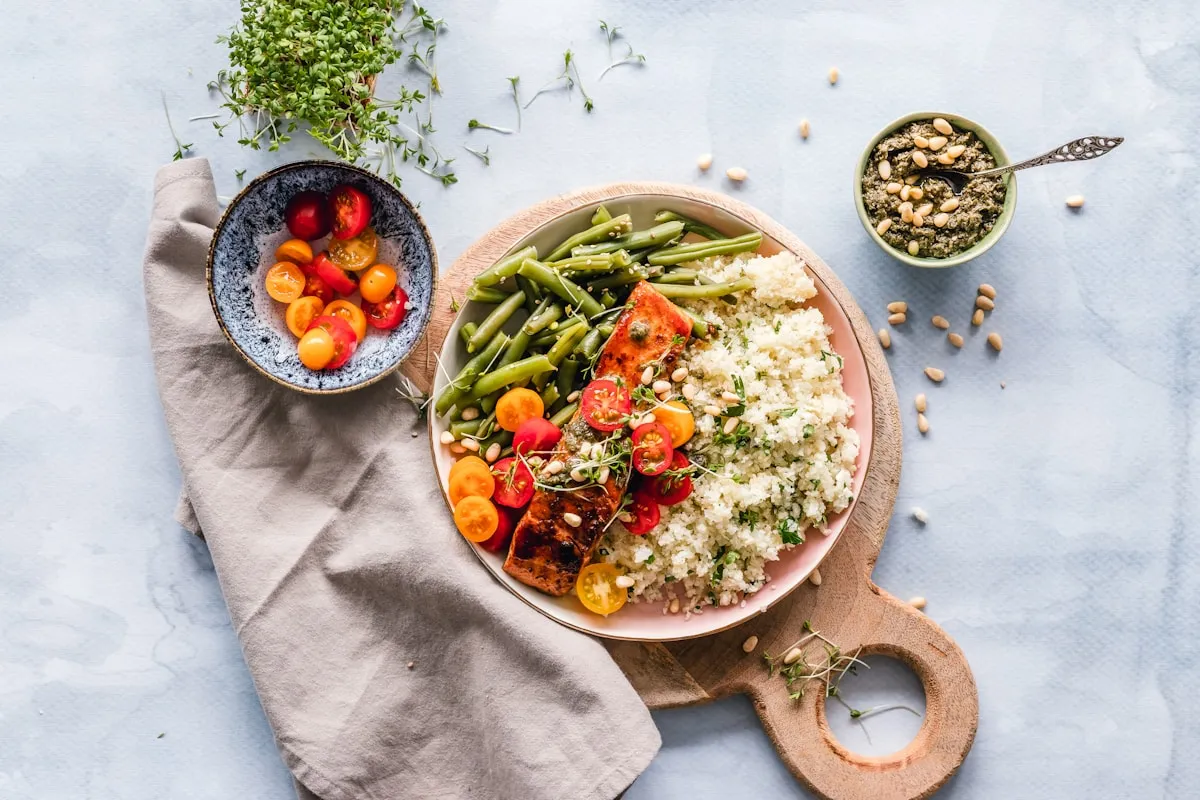
You’ve had those nights. The ones where the clock is ticking, the fridge looks sparse, and the temptation to order takeout is pulling at your soul. I’ve been there more times than I care to admit. But what if I told you that the most comforting, soul-satisfying meal in my repertoire takes exactly fifteen minutes to throw together? This chickpea and spinach stew isn’t just a "safety" meal; it’s a masterclass in how simple pantry staples can be transformed into a vibrant, high-protein powerhouse. If you’re hunting for healthy dinner ideas that don't require a culinary degree or an hour of your life, you’ve just found your new weeknight obsession.
The Science of 15-Minute Flavor: Blooming, Starch Leaching, and Smarter Spinach
When you’re working with a short clock, you can’t rely on long, lazy simmering to build flavor for you. You have to force efficiency into the pot. That starts with blooming your spices. Most people toss spices into broth and expect a miracle. That’s adorable, but no. Most of the aromatic compounds in spices like cumin, coriander, turmeric, and mustard seeds are fat-soluble, not water-soluble. If they never hit hot oil first, they stay muted and dusty instead of turning fragrant and punchy.
Use hot oil to wake those spices up. Give them thirty to sixty seconds before any liquid goes in. That brief contact with fat helps dissolve and release essential oils, which then spread through the whole stew instead of sitting there like gritty background noise. Watch the pan and trust your nose. The second the spices smell toasty and dramatic, move on. Burn them and you’ll get bitterness that no amount of lemon can rescue.
Now for the part that makes a quick stew feel like an actual stew and not just chickpeas floating in seasoned water: thickening through starch leaching. This is the quiet magic that turns a thin broth into something silky enough to coat a spoon. Chickpeas contain starch granules inside their cells, and when they heat in liquid, some of that starch begins to loosen and migrate into the surrounding broth. That’s starch leaching. Sounds technical. Tastes cozy.
Canned chickpeas are especially useful here because the canning process has already softened their structure. Their cell walls have taken a beating in the best possible way, which means they’re ready to release starch faster than dried chickpeas cooked from scratch. This is why canned beans are not a compromise in a fast stew. They’re the point. They give you a head start on texture without requiring a full evening commitment.
If you want to speed up that thickening, crush a small portion of the chickpeas once the liquid is in the pot. Don’t annihilate all of them. Mash just enough to release starch and soluble fiber into the broth. The broken chickpeas shed more suspended solids, which help emulsify the liquid and create a richer mouthfeel. Meanwhile, the whole chickpeas stay intact and give you texture. That contrast matters. A good stew should feel hearty, not like beige wallpaper paste.
This is also why simmering matters more than people think. A proper simmer encourages movement in the pot, which helps disperse starch molecules evenly through the liquid. If the heat is too low, nothing really happens. If the heat is too aggressive for too long, you reduce the liquid faster than the starch can balance it, and the whole thing can tip from silky to stodgy. Keep it lively, not violent. Your stew is not in a fight club.
Chickpea fiber helps too, but it works differently from starch. Starch creates body by swelling and thickening the liquid. Soluble fiber contributes a softer, more gel-like viscosity. Put them together and you get that spoon-coating texture people usually associate with longer simmering or added cream. That’s why this dish feels substantial even though it comes together fast. It’s one of my favorite tricks for quick family meals, because it gives you comfort-food texture without dragging dinner into a two-hour project.
Now let’s talk spinach, which has somehow become both a nutrition icon and a source of mild kitchen confusion. Yes, spinach contains iron. No, your body does not absorb all of that iron equally well. The iron in spinach is non-heme iron, the plant-based form, and it’s less readily absorbed than heme iron from animal foods. On top of that, spinach contains oxalates, which can bind to iron and reduce how much your body actually takes in. So the iron is there, but it does not arrive with VIP access.
That sounds bleak, but it really isn’t. Use acidity strategically. A squeeze of lemon at the end does more than brighten flavor. Vitamin C helps improve the absorption of non-heme iron, including the iron in spinach and chickpeas. That means your finishing acid is doing double duty: better flavor and better nutritional payoff. This is one of those tiny kitchen decisions that makes a real difference without turning dinner into a chemistry exam.
Timing matters with spinach too. Add it at the end and let residual heat wilt it gently. Don’t simmer it to oblivion. Overcooked spinach loses its fresh taste, dulls in color, and turns limp in a way that feels more cafeteria than comfort food. A brief wilt keeps the greens vibrant and stops the stew from taking on that muddy, metallic edge that shows up when spinach cooks too long.
There’s also a texture reason to wait. Spinach releases water as it cooks. If you add it too early, especially in a quick stew, that extra water can thin the broth just when you’ve worked hard to build body through starch leaching. Add it late and you preserve the texture you created. Tiny move, big payoff.
Finally, salt with some sense. Season early enough that the broth tastes like something and the chickpeas absorb flavor, but always taste again after the spinach and acid go in. Lemon changes perception. Greens change perception. Salt that tasted perfect five minutes ago can suddenly seem shy. Check the pot. Adjust it. Then serve it while it still looks alive.
This is why the dish works so well in the same universe as dependable air fryer recipes dinner options and other healthy dinner ideas you can pull off on a weeknight. Fast doesn’t have to mean flimsy. Use heat properly, let the starch do its thing, and give spinach a smarter role than “green stuff I threw in at the end.”
Flavor Variations: Keep the Base, Change the Mood
The beauty of this dish is its flexibility. Once you understand the structure, you can change the personality without wrecking the balance. Keep the core formula of aromatics, spices, chickpeas, broth, and late-added greens. Then steer the finish wherever you want.
For a Mediterranean twist, push garlic and lemon a little harder and swap warm spice notes for oregano, black pepper, and a pinch of chile flakes. Add briny elements like olives or capers right at the end. Their salt and acidity cut through the earthy depth of the chickpeas and make the spinach taste greener, not heavier. This variation works especially well if you want the stew to feel lighter and sharper.
If you want a richer bowl, go with a Creamy Coconut version. Replace part of the broth with coconut milk and use ginger or coriander to support it. The added fat helps carry aromatic compounds across your palate, so the spices feel rounder and more mellow. Keep the acid finish, though. A squeeze of lime or lemon prevents the stew from drifting into one-note richness.
For a Smoky Harissa angle, use harissa paste or smoked paprika and give the chickpeas a minute or two in the hot oil before the liquid goes in. That light browning adds toasted, savory depth through the Maillard reaction. It’s not a full roast, obviously, but even a little surface browning makes canned chickpeas taste more intentional.
You can also shift the greens without changing the method. Baby kale gives you more chew and a brassica-style earthiness. Swiss chard brings a slightly sweeter, mineral note. Just remember the rule: add delicate greens late and sturdier greens only slightly earlier. Don’t turn the pot into a swamp. This is how healthy dinner ideas stay actually appealing.
Side Dish Pairings: Balance the Earthy, Brighten the Bowl
A stew is soft, savory, and deeply comforting, so your side dish should bring contrast. Think crunch, acid, or a clean grain that catches the broth without competing with it.
- Use crusty bread for texture. A good sourdough or toasted baguette brings crackle and chew, which the stew badly needs. The slight tang from fermentation also brightens the earthy chickpeas and spinach.
- Use grains when you want staying power. Quinoa or brown rice turns the bowl into a more filling dinner without making it heavy. Quinoa is especially handy because its nuttiness matches the chickpeas and it soaks up the broth without disappearing into mush.
- Use a sharp salad to cut richness. Pair the stew with arugula, shaved fennel, or cucumber dressed in a lemony vinaigrette. That fresh acidity resets your palate between bites and keeps the meal from tasting too soft or too warm-toned.
If you’re building a weeknight spread, keep the pairing simple. This stew already does enough. You do not need three side dishes and a personality crisis.
FAQ: Navigating the Science of Simple Ingredients
Can I use dry chickpeas instead of canned?
Yes, but only if they’re already cooked before you start the stew. Dry chickpeas need soaking and full cooking first, which obviously does not fit the fifteen-minute promise. Canned chickpeas are perfect here because their softened structure helps them release starch faster into the broth. That means better thickening, less waiting, and fewer opportunities to get cranky.
What if I want the stew thicker without adding flour?
Crush more chickpeas and simmer a little longer. That’s the cleanest fix. As the chickpeas break down, they release starch into the liquid, and that starch thickens the broth naturally. Flour and cornstarch can work in other dishes, but here they flatten the flavor and change the texture in a way that feels unnecessary. Let the beans do the job they were born to do.
Why is my stew thin even after simmering?
Usually one of three things happened. You used too much liquid, you didn’t crush any chickpeas, or you added watery spinach too early and diluted the broth. Check all three before blaming the recipe. A quick stew still needs enough starch in circulation to build body. If the liquid is just sitting there looking soupy, mash a few more chickpeas and give it another couple of minutes.
What if my stew gets too thick as it sits?
That’s normal. Starch continues to hydrate and settle, and the broth thickens further as it cools. In the fridge, you also get a bit of starch retrogradation, which is the very glamorous term for “it firms up overnight.” Add a splash of water or broth when reheating and stir well. Then taste again for salt and lemon, because dilution changes the balance.
How do I get more iron benefit from the spinach?
Use vitamin C alongside it. Finish the stew with lemon, pair it with tomatoes, or serve it with something acidic on the side. That helps improve absorption of non-heme iron, which is the form found in spinach and chickpeas. Also, keep expectations realistic. Spinach is useful, but it isn’t magic. Build meals that support absorption instead of just assuming the green color is doing all the work.
Why does spinach taste metallic sometimes?
Usually because it’s cooked too long or concentrated too hard. Spinach has natural mineral notes, and if you boil it aggressively, those notes can turn sharp and tinny. Add it at the end and let it wilt gently. If needed, use lemon to brighten the flavor and pull the whole pot back into balance.
Can I use frozen spinach?
Absolutely. Just thaw it and squeeze it dry first. Frozen spinach carries a lot of water, and that extra liquid can undo the thickening you built with the chickpeas. If you toss it in frozen, the stew can end up bland and loose. Convenient is good. Watery is not.
Is this good for meal prep?
Yes, and in some ways it improves. The spices settle into the broth, the chickpeas absorb more flavor, and the texture becomes richer by the next day. The only trade-off is that the spinach softens further over time. If you want a fresher green bite, add a small handful of spinach when reheating instead of relying only on the original batch.
Can I make this part of my regular weeknight rotation?
You should. It earns its place with other quick family meals, sits comfortably beside your favorite air fryer recipes dinner ideas, and stays firmly in the category of healthy dinner ideas that still taste like real food. Which, frankly, is the whole point.
For more quick tips and soulful cooking guides, dive into our full recipe blog and start reclaiming your weeknights. Stay focused on the ingredients, respect the heat, and stop overcomplicating your dinner. Cooking should be a joy, not a chore.