Recipe
Servings
Servings 1×
Ingredients
- Chicken
- Salmon
- Shrimp
- Tofu
- Chickpeas
- White beans
- Beans
- Quinoa
- Rice
- Mushrooms
- Greens
- Cucumber
- Avocado
- Tomatoes
- Onion
- Lemon
- Mustard
- Tahini
Method
- Make it for busy weeknights, relaxed lunches, or whenever you need one of those quick family meals that everyone can customize.
- Start by making the chicken an even thickness.
- Use lemon for brightness, but do not leave the chicken swimming in an acidic marinade all day.
- Keep the marinade practical: let it add flavor, not perform a science experiment in your refrigerator.
- Add olive oil to help herbs and seasonings cling to the chicken.
- Use what you enjoy, but do not bury the chicken under a jungle of herbs.
When dinner needs to be fast, fresh, and actually satisfying, this lemon herb grilled chicken salad delivers without requiring a heroic effort. It combines juicy grilled chicken, crisp vegetables, bright citrus, and enough texture to keep a salad from feeling like punishment in a bowl. Make it for busy weeknights, relaxed lunches, or whenever you need one of those quick family meals that everyone can customize.
Why This Salad Works: Flavor, Texture, and a Little Food Science
The secret to a great chicken salad is balance. Lean chicken can taste bland or dry, while raw vegetables can feel flat without enough seasoning. Lemon, herbs, olive oil, and a properly hot grill solve both problems with very little fuss.
Start by making the chicken an even thickness. Chicken breasts are often thick in the middle and thin at the edges, which means the edges can overcook before the center is safe. Pound the thickest section gently or butterfly the breast so it cooks more evenly. This is not about making your chicken look fancy. It is about preventing the dreaded rubbery edge-and-raw-middle situation.
Use lemon for brightness, but do not leave the chicken swimming in an acidic marinade all day. Lemon juice begins changing the proteins on the surface of the meat. A short marinating period helps the chicken taste lively and seasoned, while an excessively long soak can make the outside soft and oddly textured. Keep the marinade practical: let it add flavor, not perform a science experiment in your refrigerator.
Add olive oil to help herbs and seasonings cling to the chicken. Oil also improves browning by encouraging better contact between the meat and the hot cooking surface. For the herbs, choose a combination with clear personality. Parsley brings freshness, thyme adds a woodsy note, and oregano gives the chicken a Mediterranean edge. Use what you enjoy, but do not bury the chicken under a jungle of herbs. A few strong flavors work better than a confused bouquet.
Preheat the grill or grill pan properly before cooking. A hot surface creates browning quickly, which gives the chicken a savory crust while helping the inside stay moist. Avoid moving the chicken constantly. Let it sit long enough to develop grill marks, then turn it once when the surface releases easily. If it clings stubbornly, it may not be ready, or the grill may not be hot enough.
Check doneness with an instant-read thermometer rather than relying on color. Cook poultry to 165°F (74°C) in the thickest part, following USDA safe temperature guidance. Do not treat grill marks as proof of safety. They are attractive, but they are not qualified food inspectors.
Rest the chicken before slicing. During cooking, the juices move toward the center. A short rest gives them time to redistribute instead of running across the cutting board. Slice too soon and you lose moisture; wait a few minutes and you get more tender chicken in every bite.
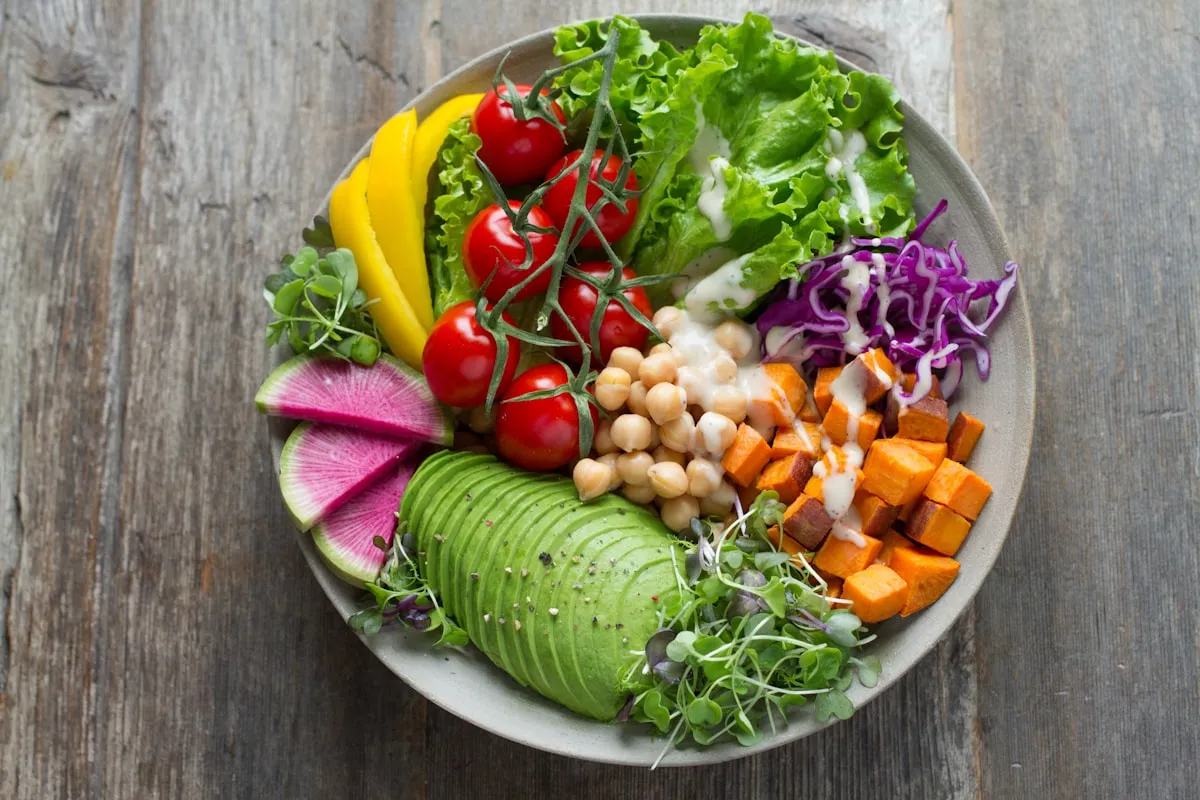
Build the salad with contrast. Pair crisp greens with juicy tomatoes, cool cucumber, and sharp red onion. Add creamy avocado or a little feta if you want more richness. Keep the dressing bright and restrained. Lemon juice cuts through olive oil and creamy additions, while a small amount of Dijon mustard helps the vinaigrette stay blended instead of separating immediately.
Dress the greens just before serving. Salt and acid draw water from vegetables over time, which can turn crisp lettuce into a limp, watery mess. Toss only what you plan to eat, and keep extra dressing on the side for leftovers. That single habit can rescue tomorrow’s lunch from salad sadness.
For more simple combinations, browse Cookpedia’s salad recipes, or pair this method with ideas from our chicken recipe collection.
Easy Variations That Keep the Balance
Turn this salad into a Greek-inspired bowl by adding cucumber, olives, feta, and oregano. Keep the dressing lemony so the salty cheese and olives do not overwhelm the greens. A spoonful of cooked quinoa can make the salad more substantial without making it heavy; see Cookpedia’s Greek chicken and quinoa meal prep bowls for another useful pairing idea.
Make it extra filling with roasted chickpeas, white beans, or a scoop of brown rice. These additions bring fiber and complex carbohydrates, which can help the salad carry you through a long afternoon.
For a lower-carb version, skip grains and add avocado, extra cucumber, or toasted seeds for satisfying texture. For a dairy-free option, leave out feta and add chopped herbs, toasted almonds, or a creamy tahini-lemon dressing.
Prefer a hands-off cooking method? Use an air fryer instead of the grill, adjusting the cooking time for the thickness of the chicken and still checking for 165°F. It fits neatly alongside other air fryer recipes dinner options when the weather is uncooperative or the grill is buried somewhere behind three bicycles.
You can also swap the chicken for grilled shrimp, salmon, tofu, or sliced portobello mushrooms. Keep the same flavor structure, lemon for acidity, herbs for freshness, and something creamy or crunchy for contrast.
Side Dish Pairings: Add Substance Without Losing Freshness
Serve the salad with a modest portion of warm whole-grain pita, crusty bread, or quinoa. These sides add carbohydrates without turning a light dinner into a food coma. Keep the portion moderate and let the salad remain the main event.
For something cool, serve cucumber yogurt sauce or a simple herbed yogurt dip. The creamy texture balances the lemon and grilled edges, while the coolness makes the meal feel especially refreshing.
Roasted vegetables also work well, particularly zucchini, bell peppers, asparagus, or green beans. Their caramelized edges add depth to the fresh salad. Avoid pairing it with another strongly acidic side, such as vinegar-heavy slaw. Too much acid can flatten the meal instead of brightening it.
For more weeknight inspiration, explore Cookpedia’s 30-minute meals and healthy weeknight dinner ideas.
FAQ: Troubleshooting Your Grilled Chicken Salad
Why did my chicken turn out dry?
Usually, the chicken was too thin at the edges, cooked past 165°F, or sliced immediately after grilling. Even out the thickness before cooking, use a thermometer, and let the chicken rest briefly. High heat is useful for browning, but it does not forgive overcooking. Pull the chicken when it reaches the safe temperature, not when it resembles a piece of fireplace wood.
Can I marinate the chicken overnight?
You can prepare the chicken ahead, but be careful with strongly acidic marinades. Lemon juice can soften the surface of the meat too much if it sits for an extended period. Marinate for a shorter window when the mixture contains plenty of lemon, or prepare the herb-and-oil portion ahead and add the lemon closer to cooking time.
What if I do not have a grill?
Use a grill pan, heavy skillet, or air fryer. A grill pan gives you browning and marks, while a skillet provides excellent contact with the chicken. An air fryer circulates hot air and is convenient for smaller portions. In every case, check the thickest part with a thermometer rather than guessing from appearance.
How can I stop the salad from becoming soggy?
Dry the greens thoroughly after washing, cool the chicken before placing it over the salad, and add dressing immediately before eating. Store greens, chicken, vegetables, and dressing separately if you are preparing lunch in advance. Keep watery ingredients such as cucumber and tomatoes in their own container when possible.
Can I use bottled lemon dressing?
Yes, but taste it before adding it to the salad. Bottled dressings often contain more salt, sugar, or acid than expected. Use a smaller amount first, then adjust. If the dressing tastes sharp, soften it with olive oil or a little yogurt. If it tastes dull, add fresh lemon juice, herbs, or black pepper.
How long will the leftovers keep?
Refrigerate cooked chicken within two hours, store it in a sealed container at or below 40°F, and use it within three to four days. Keep the dressing and greens separate for the best texture. Reheat chicken leftovers to 165°F, or enjoy the chicken cold over freshly prepared greens. When in doubt, discard it: no salad is worth a questionable smell or slippery texture.
Is this salad filling enough for dinner?
It can be, especially when you include a generous serving of chicken and add a balanced side such as quinoa, whole-grain pita, beans, or roasted vegetables. Protein helps with fullness, vegetables provide volume and fiber, and a modest amount of olive oil or avocado adds satisfying fat. Use the basic salad as a framework and adjust it to your appetite.
Keep this recipe in your rotation whenever you need healthy dinner ideas that are bright, simple, and genuinely doable. With even chicken, a hot grill, crisp greens, and a sharp lemon dressing, dinner can be ready before anyone asks, “What are we eating?” again.