Recipe
Servings
Servings 1×
Ingredients
- Chicken
- Quinoa
- Noodles
- Rice
- Cauliflower
- Broccoli
- Carrots
- Zucchini
- Peas
- Onion
- Garlic
- Fresh ginger
- Tahini
- Cooking oil
- Soy sauce or tamari
- Sesame
- Chili seasoning
Method
- Cut your chicken into thin strips or small bite-sized pieces.
- Use a heavy skillet, cast iron or stainless steel, and preheat it properly before adding any oil.
- Toss your chicken strips and chopped broccoli florets in a little neutral oil, air fry at 400°F for 8 to 10 minutes until golden and tender-crisp, and toss with the same vibrant ginger-soy dressing over your grain base.
- Add a splash of sriracha or chili-garlic paste to the dressing if you crave extra heat, or stir in a spoonful of toasted sesame paste (tahini) for a rich, nutty twist that softens the tang of the rice vinegar.
When the clock strikes six and your stomach starts growling louder than your coworkers on a Monday morning, the last thing you want to do is spend an hour washing dishes and chopping onions. If you are tired of settling for takeout, you need dependable healthy dinner ideas that come together faster than delivery. This 15-minute chicken and vegetable bowl with a punchy ginger-soy dressing is your weeknight savior. It packs vibrant flavors, lean protein, and crisp veggies into one satisfying bowl without keeping you chained to the stove.
Tips & Technique: The Science of Speed and Searing
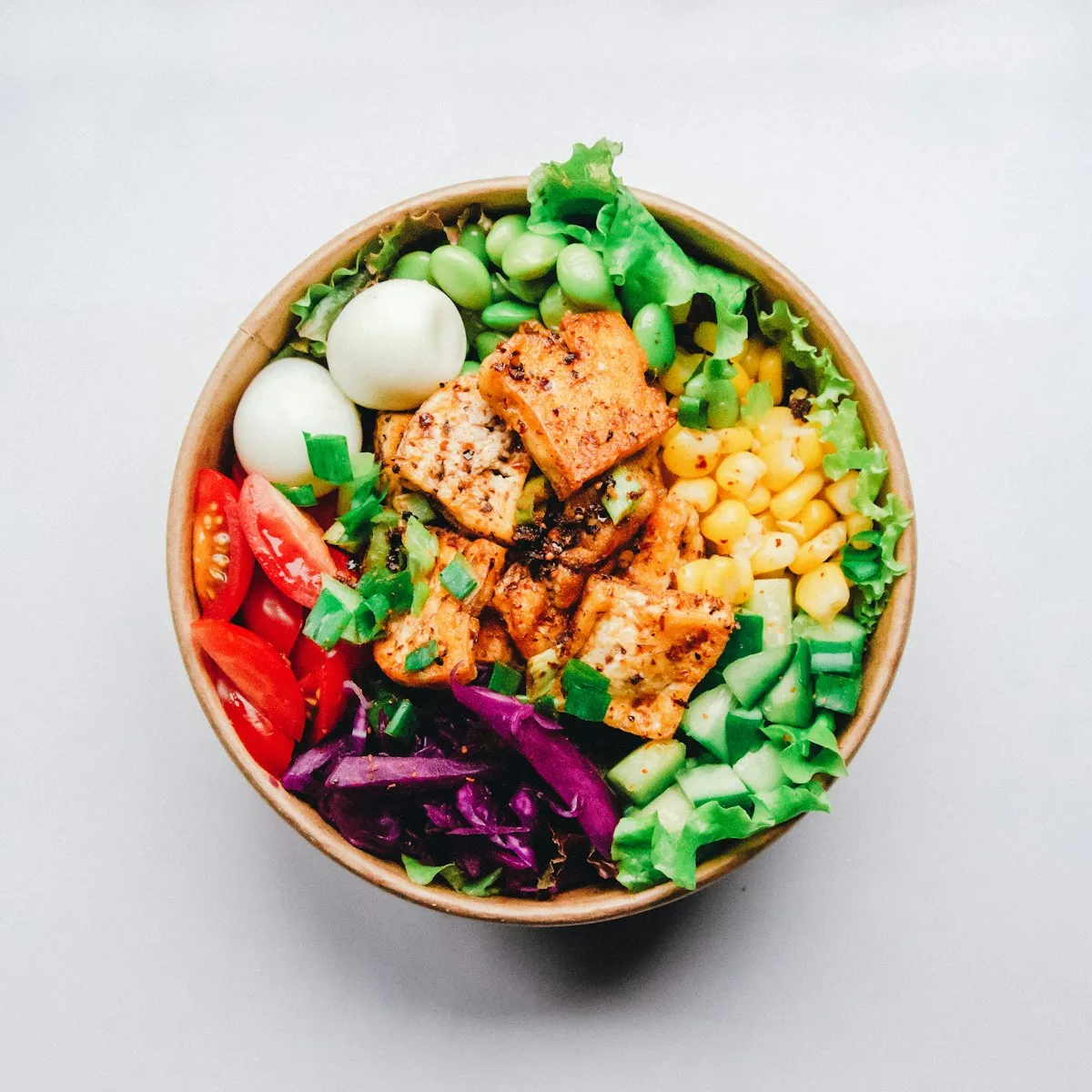
Mastering lightning-fast cooking is all about understanding heat transfer, moisture control, and surface area. When you want quick family meals on the table in record time, never toss a thick, whole chicken breast into a pan and hope for the best. Cut your chicken into thin strips or small bite-sized pieces. By increasing the surface area, heat penetrates the meat exponentially faster, preventing dry, overcooked edges and raw centers.
Use a heavy skillet, cast iron or stainless steel, and preheat it properly before adding any oil. Hot metal creates the Maillard reaction, which is the chemical dance between amino acids and reducing sugars that gives seared chicken its savory, golden crust and deep, complex flavor. If your pan is lukewarm, your chicken will steam rather than sear, leaving you with rubbery meat and zero flavor development.
Crucially, do not crowd the pan. Overcrowding lowers the skillet temperature and traps moisture evaporating from the meat, turning a quick sear into an accidental boil. If necessary, cook your chicken in two rapid batches. While the chicken sears, make your dressing by shaking oil, soy sauce, rice vinegar, ginger, and garlic in a sealed jar. The mechanical agitation emulsifies the oil and acid instantly, creating a glossy, cohesive dressing without dirtying a single whisk or bowl. Science proves that shaking creates micro-droplets of oil suspended evenly in the vinegar and soy sauce, ensuring every drop of dressing clings perfectly to your chicken and rice.
Flavor Variations and Smart Swaps
Variety keeps weeknight cooking exciting, and bowls are the ultimate canvas for fridge cleanouts. Swap your grains depending on what you have stocked in your pantry. While jasmine rice or brown rice is classic, quinoa, cauliflower rice, or even rice noodles work wonderfully.
If you want to experiment beyond the skillet, adapt this flavor profile for air fryer recipes dinner nights. Toss your chicken strips and chopped broccoli florets in a little neutral oil, air fry at 400°F for 8 to 10 minutes until golden and tender-crisp, and toss with the same vibrant ginger-soy dressing over your grain base.
Rotate your vegetables based on seasonal availability or whatever is lingering in your crisper drawer. Snap peas, bell peppers, baby bok choy, carrots, and zucchini all roast or stir-fry in minutes. Add a splash of sriracha or chili-garlic paste to the dressing if you crave extra heat, or stir in a spoonful of toasted sesame paste (tahini) for a rich, nutty twist that softens the tang of the rice vinegar.
Side Dish Pairings and Balance
Even though this bowl is a complete meal on its own, adding a simple side can elevate your dinner into a restaurant-worthy feast. Balance is the golden rule of cooking: if your main dish features savory umami and tangy soy dressing, pair it with something crisp and refreshing.
Serve a light cucumber and seaweed salad dressed lightly with sesame oil and rice vinegar. The crisp crunch and cooling acidity cut right through the savory richness of the chicken. Alternatively, whip up a batch of miso soup or serve warm edamame sprinkled with flaky sea salt. These light, Japanese-inspired accompaniments round out the meal without adding heavy carbs or distracting from the star of the show.
Frequently Asked Questions
Can I prep the ginger-soy dressing ahead of time?
Yes, absolutely! In fact, letting the dressing sit in the refrigerator for a few hours allows the raw garlic and grated ginger to mellow and infuse their aromatic oils into the soy sauce and vinegar. Shake the jar vigorously before drizzling over your bowl.
What if I don't have fresh ginger or garlic?
While fresh aromatics deliver the brightest zing, you can substitute ground ginger and garlic powder in a pinch. Use one-quarter teaspoon of ground ginger and garlic powder for every teaspoon of fresh. However, keep fresh ginger on hand whenever possible for that authentic restaurant-quality punch.
How do I store leftovers without making the veggies soggy?
Store your cooked chicken, rice, and vegetables in airtight containers separately from the dressing. If you toss everything in dressing ahead of time, the vegetables will release their moisture and become limp. Assemble fresh just before eating.
Can I make this recipe vegetarian or vegan?
Easily! Swap the chicken for extra-firm tofu cubes, tempeh, or chickpeas. Pan-fry or air-fry your plant-based protein until crispy before tossing into the bowl with the same ginger-soy dressing.
What is the best way to reheat leftovers?
Reheat your chicken and rice mixture in a skillet over medium heat with a splash of water, or microwave in 30-second bursts until steaming hot. Add the dressing after reheating so the fresh citrus notes and oils retain their vibrant flavor.