Recipe
Servings
2 1×
Serves 2Total 15 min
Ingredients
- Instant couscous
- Boneless chicken breast or tenders
- Cucumber, cherry tomatoes, and red onion
- Kalamata olives and crumbled feta
- Fresh parsley
- Lemon
- Olive oil
- Plain Greek yogurt or tahini
- Garlic and dried Mediterranean herbs
- Salt and black pepper
Method
- Prepare the couscous with hot seasoned liquid, cover, and let it steam off the heat.
- Season and pan-cook thin chicken pieces until browned and the thickest piece reaches 165°F.
- Fluff the couscous and mix the yogurt or tahini sauce with lemon and garlic.
- Divide the couscous between bowls and top with chicken, vegetables, olives, feta, herbs, and sauce.
- Finish with lemon and serve immediately.
When dinner needs to happen quickly, reach for a bowl that works as hard as you do. This Mediterranean chicken couscous bowl brings together tender chicken, fluffy couscous, crisp vegetables, salty feta, and a bright lemony sauce in about 15 minutes. It is colorful without being fussy, filling without feeling heavy, and practical enough for a Tuesday when everyone is asking what’s for dinner: including you.
For more speedy inspiration, browse Cookpedia’s collection of 15-minute meals and healthy recipes.
Tips & Technique: Build Speed Through Smart Cooking
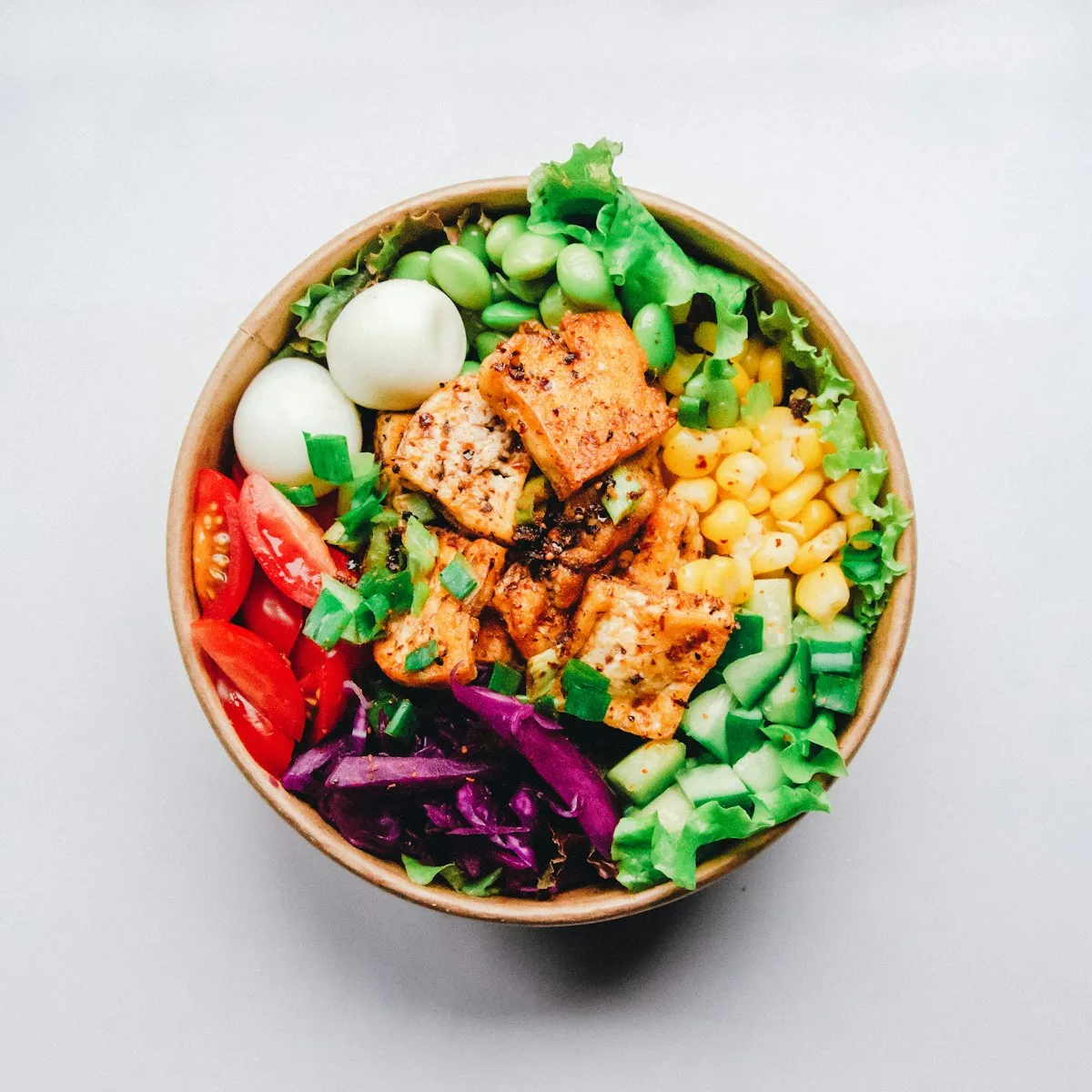
Choose Couscous That Steams, Not Simmering Couscous
The first non-negotiable is choosing regular instant couscous when you want a genuinely fast dinner. It cooks by absorbing hot liquid off the heat, usually in about five minutes. That makes it perfect for a bowl because it can hydrate while your chicken cooks.
Pearled or Israeli couscous is delicious, but it behaves more like tiny pasta. It needs a simmer and usually takes longer. Use it when you have extra time, but do not expect it to perform a 15-minute miracle.
Cover the couscous while it rests. The lid traps steam and gives the grains an even texture. Skip the cover and you may end up with crunchy bits hiding among soft ones: the couscous equivalent of a surprise quiz.
Fluff gently with a fork once hydrated. A fork releases steam and separates the grains without compressing them. Stir aggressively with a spoon and you can turn a light, fluffy base into a sticky mound.
Cut Chicken for Even Heat
Chicken cooks quickly only when the pieces are thin and similar in size. Slice boneless chicken into slim strips or small pieces so the heat reaches the center before the outside becomes dry.
Use a wide skillet and heat it properly before adding the chicken. A hot pan encourages browning, and browning creates the savory flavor that makes a simple bowl taste much more complete. If the pan is crowded, the chicken releases moisture and steams instead. Cook in a single layer, or work in two batches if necessary.
Do not guess when chicken is done. Check the thickest piece with an instant-read thermometer and cook poultry to 165°F (74°C), the safe minimum recommended by the USDA. The thermometer is not overkill; it is the fastest route to juicy chicken that is also safe to eat.
Use Acidity to Wake Up Mild Ingredients
Couscous and chicken are excellent flavor carriers, but neither brings much acidity to the plate. That is where lemon earns its place. A squeeze of lemon juice brightens the grain, cuts through the richness of olive oil and feta, and makes the vegetables taste fresher.
Add acidity near the end rather than relying on it to cook the chicken. Lemon juice can flavor a marinade, but it will not replace proper heat or a temperature check. Reserve any sauce that will touch cooked food before adding raw chicken, and never pour used raw-chicken marinade over the finished bowl unless you boil it thoroughly first.
Balance matters here. Use salty ingredients such as olives and feta thoughtfully, then add lemon and herbs to keep the bowl lively. You want several small flavor signals, not one ingredient shouting through a megaphone.
Keep Hot and Cool Textures Separate
The best part of this bowl is the contrast. Warm couscous and chicken meet cool cucumber, juicy tomato, creamy yogurt sauce, and crumbly feta. Preserve that contrast by adding the fresh toppings after the hot components are ready.
Do not cook cucumber until floppy or bury everything under sauce. Let the couscous remain the warm, soft foundation while the vegetables provide crunch and freshness. This is one reason bowl meals feel satisfying: every forkful can contain more than one texture.
For a helpful chicken technique comparison, see Cookpedia’s Simple Lemon Herb Roasted Chicken. The principle is the same: use bright herbs and lemon to make straightforward chicken taste special.
Think in Proportions, Not Piles
Build the bowl around a sensible balance: a generous bed of couscous, a clear portion of chicken, plenty of vegetables, and smaller amounts of feta, olives, and sauce. This keeps the meal filling while allowing the plant-based ingredients to do more of the visual and textural work.
That approach fits the broader Mediterranean pattern, which emphasizes vegetables, whole grains, legumes, olive oil, herbs, and moderate portions of poultry. Harvard’s practical guide to the Mediterranean diet offers useful background if you want to build more meals in this style.
Variations: Keep the Formula, Change the Mood
Use the same basic bowl formula: grain, protein, vegetables, creamy element, and acidity: to create different dinners without learning an entirely new recipe.
For a whole-grain version, choose whole-wheat couscous. It has a slightly nuttier flavor and a firmer bite. Check the package directions because some brands need a little more liquid or resting time.
Make it vegetarian by replacing chicken with chickpeas, white beans, or crisped tofu. Add smoked paprika or cumin for extra depth, then keep the lemony sauce to balance the earthy flavors. If you enjoy plant-based cooking, browse Cookpedia’s vegetarian dinner recipes.
Turn up the heat with chili flakes, harissa, or a spoonful of spicy pepper paste. Add these carefully; it is easy to increase heat, but impossible to politely remove it once it has moved into the bowl.
For a lighter dairy-free sauce, use tahini loosened with lemon juice and water. For extra creaminess, use Greek yogurt. You can also swap chicken breast for leftover roasted chicken or rotisserie chicken when speed matters more than pan browning.
And if you are collecting air fryer recipes dinner ideas, cook seasoned chicken pieces in the air fryer and serve them over the same couscous base. The toppings do not need to know how the chicken got there.
Side Dish Pairings: Add Contrast, Not More Work
This bowl is already a complete meal, so pair it with something that adds freshness rather than another heavy starch.
Serve a simple tomato and cucumber salad with a sharp lemon dressing. The extra acidity keeps the couscous and feta from feeling rich. A handful of arugula with olive oil and lemon also works beautifully, especially if you like a peppery bite.
For a heartier table, add hummus with warm flatbread. Keep the portion modest because the bowl already contains grain and sauce. A quick side of steamed green beans or roasted vegetables adds color and fiber without competing with the Mediterranean flavors.
Avoid pairing this meal with a creamy pasta or cheese-heavy side. Save those for another night; dinner does not need to become a small buffet just because the bowl is good.
FAQ: What If My Bowl Goes Wrong?
What if the couscous is dry or crunchy?
It probably did not receive enough hot liquid, or it was not covered while steaming. Add a small splash of boiling water or broth, cover it again, and let it rest for a few minutes. Fluff afterward. Avoid adding a large amount of cold liquid, which can make the texture uneven.
What if the couscous turns mushy?
Too much liquid or too much stirring is usually responsible. Spread it gently in a wide bowl so excess steam can escape. Next time, measure the liquid carefully and fluff with a fork instead of mixing constantly.
What if the chicken browns outside but stays raw inside?
The pieces were likely too thick, the pan was too hot, or the skillet was crowded. Lower the heat slightly and continue cooking until the thickest piece reaches 165°F. Slice the chicken thinner next time and give each piece room to contact the pan.
Can I use leftover chicken?
Yes. Leftover grilled, roasted, or rotisserie chicken is ideal for this meal. Reheat it gently so it does not dry out, or serve it cold if you enjoy the hot-and-cool contrast. Keep cooked chicken refrigerated and use it within three to four days, following USDA food-safety guidance.
How do I pack this for lunch?
Store the warm components separately from cucumber, tomato, herbs, and sauce. This prevents the vegetables from becoming watery and keeps the couscous from absorbing every drop of dressing overnight. Reheat the chicken and couscous, then add the cool toppings just before eating.
Can I make the bowl gluten-free?
Traditional couscous is made from wheat, so use quinoa, rice, or certified gluten-free grains instead. Adjust the cooking method and liquid according to the package directions. Keep the Mediterranean toppings the same, and you will still have a bright, balanced bowl.
Is this suitable for meal prep?
Absolutely. Prepare several portions, but keep the sauce and delicate vegetables separate when possible. The bowl will hold its texture better, and you can adjust the lemon, herbs, and salt just before serving. That makes it one of those genuinely useful quick family meals rather than a recipe that only works when eaten immediately.