Recipe
Servings
Servings 1×
Ingredients
- Quinoa
- Rice
- Garlic
- Lemon
- Cooking oil
- Salt
Method
- Let’s be honest: your weeknight energy levels usually don’t match your gourmet ambitions.
- Use a fine-mesh strainer and run cold water over the grains for at least sixty seconds.
- Use the "aromatic infusion" technique: drop a smashed garlic clove or a sprig of fresh oregano into the pot while it simmers.
Let’s be honest: your weeknight energy levels usually don’t match your gourmet ambitions. You want something that tastes like a sun-drenched patio in Santorini, but your reality is a thirty-minute window between work and a collapsing sofa. That is exactly where this Mediterranean bowl thrives. It is the ultimate solution for anyone searching for healthy dinner ideas that don’t involve a mountain of dishes or a degree in culinary arts. This bowl is fast, fresh, and intentionally simple.
The Science of the Perfect Grain: Tips & Technique
To master any bowl-based meal, you must first master the base. Quinoa is often relegated to "sad health food" status because people treat it like rice. It isn't rice. If you want that light, nutty, and distinct texture that makes quick family meals feel high-end, you have to respect the science of the seed.
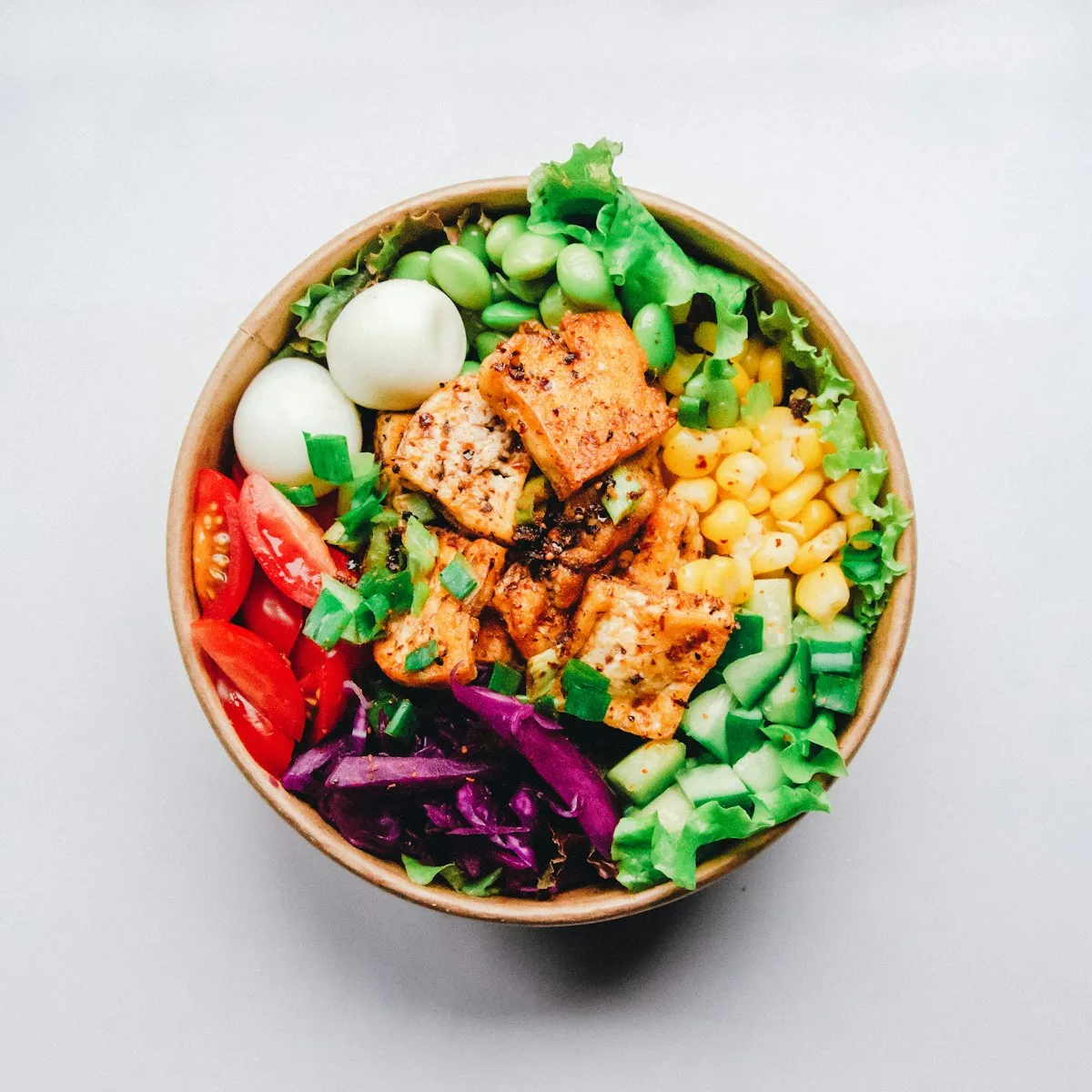
The Saponin Barrier
Every quinoa grain is naturally coated in saponins, bitter, soapy compounds meant to ward off birds in the wild. If you don’t rinse them away, that bitterness will follow you into the final dish. Use a fine-mesh strainer and run cold water over the grains for at least sixty seconds. Agitate them with your hand; you’ll see the water go from cloudy and sudsy to clear. This is non-negotiable for a clean flavor profile.
The Golden Ratio and The Rest
The biggest mistake home cooks make is using too much water. Forget the 2:1 ratio printed on most boxes; it leads to mush. For a bowl where you want the grains to stay separate and "pop" in your mouth, aim for a 1:1.5 ratio (one part quinoa to one-and-a-half parts liquid).
Once the liquid is absorbed, do not touch the pot. This is the hardest part for impatient cooks. Turn off the heat, keep the lid on, and let it rest for ten minutes. This allows the remaining steam to finish cooking the germ rings, those little "curlicues", until they fully unfurl without the grains breaking apart. If you want the fluffiest results, place a clean kitchen towel under the lid during this rest period to absorb excess moisture.
Building the Flavor Axis
Mediterranean cooking relies on the balance of fat, acid, and salt. Your quinoa should not be bland. Use the "aromatic infusion" technique: drop a smashed garlic clove or a sprig of fresh oregano into the pot while it simmers. Once cooked, hit the warm grains immediately with high-quality extra-virgin olive oil and fresh lemon juice. The warmth allows the fats and acids to penetrate the grain's surface rather than just sliding off.
Variations for Every Palate
One of the reasons this dish ranks among our favorite vegetarian dinner recipes is its sheer versatility. You aren't stuck with just cucumbers and tomatoes.
If you crave more depth, consider the "Roasted Profile." Instead of raw vegetables, toss some bell peppers and red onions into the mix. For those who enjoy a bit of crunch, air-fried chickpeas are a game-changer. They provide a plant-based protein boost that mimics the texture of croutons but with far more nutritional value.
For a "Zesty Greek" twist, lean heavily into the brine. Double the amount of Kalamata olives and add a spoonful of capers. The saltiness from the brine cuts through the creaminess of the feta, creating a high-contrast bite. If you prefer a "Levantine" lean, swap the lemon dressing for a nutty tahini drizzle mixed with a pinch of sumac and garlic.
Side Dish Pairings for a Complete Table
While this bowl is a powerhouse on its own, sometimes you need a little something extra to round out the spread. The goal with side dishes here is to complement the Mediterranean acidity without overwhelming the palate.
A side of warm, charred pita bread is the obvious choice for scooping up the last bits of feta and quinoa. If you want to keep things light, a simple arugula salad with a balsamic glaze provides a peppery contrast to the nutty quinoa.
If you are looking to incorporate more air fryer recipes dinner style, try air-frying some sliced zucchini coins until they are golden and crispy. They add a warm, savory element that bridges the gap between a salad and a hot meal. Another excellent pairing is a dollop of homemade tzatziki. The cool yogurt and grated cucumber provide a refreshing counterpoint if you decide to add any heat, like crushed red pepper flakes, to your bowl.
Frequently Asked Questions
Why is my quinoa always mushy?
You are likely using too much water or over-stirring. Quinoa is delicate; once it starts simmering, leave it alone. Excessive stirring breaks the grains and releases starches, leading to a gummy texture. Stick to the 1:1.5 ratio and the mandatory ten-minute rest off the heat.
Can I make this bowl ahead of time?
Yes, but with a caveat: keep the dressing separate if you plan on storing it for more than 24 hours. Quinoa absorbs liquid over time. If you dress it too early, the grains will swell and lose their distinct "pop." Prep your vegetables and grains, then toss them together just before serving.
What if I don't have lemon juice?
Acidity is crucial to balance the fats in the olives and feta. If you’re out of lemons, a high-quality red wine vinegar or apple cider vinegar will work in a pinch. Avoid white distilled vinegar; it’s too harsh and lacks the fruity undertones needed for Mediterranean flavors.
Is quinoa better than rice for quick family meals?
From a time perspective, they are similar, but quinoa has a higher protein and fiber content, making it more satiating. For quick family meals, quinoa is a winner because it cooks faster than brown rice while offering a more complex nutritional profile that keeps everyone full for longer.
Can I use the air fryer for components of this bowl?
Absolutely. Using the air fryer recipes dinner approach for your toppings: like chickpeas, artichoke hearts, or even blocks of feta: adds incredible texture and caramelized flavor that you just can't get from raw assembly. Ten minutes at 400°F (200°C) is usually all you need to transform a standard bowl into something spectacular.
{“@type”:”BlogPosting”,”image”:”https://cdn.marblism.com/tuF7sBpUDHU.webp”,”author”:{“name”:”Penny”,”@type”:”Person”},”hasPart”:[{“@type”:”FAQPage”,”mainEntity”:[{“name”:”Why is my quinoa always mushy?”,”@type”:”Question”,”acceptedAnswer”:{“text”:”You are likely using too much water or over-stirring. Stick to the 1:1.5 ratio and allow the quinoa to rest for ten minutes off the heat.”,”@type”:”Answer”}},{“name”:”Can I make this bowl ahead of time?”,”@type”:”Question”,”acceptedAnswer”:{“text”:”Yes, but keep the dressing separate until serving to prevent the quinoa from becoming soggy.”,”@type”:”Answer”}}]}],”@context”:”https://schema.org”,”headline”:”Quick Healthy Mediterranean Quinoa Bowl”,”publisher”:{“logo”:{“url”:”https://cookpedia.com/logo.png”,”@type”:”ImageObject”},”name”:”Cookpedia”,”@type”:”Organization”},”articleBody”:”Let’s be honest: your weeknight energy levels usually don’t match your gourmet ambitions. You want something that tastes like a sun-drenched patio in Santorini, but your reality is a thirty-minute window between work and a collapsing sofa. That is exactly where this Mediterranean bowl thrives. It is the ultimate solution for anyone searching for healthy dinner ideas that don’t involve a mountain of dishes or a degree in culinary arts. This bowl is fast, fresh, and intentionally simple…”,”description”:”Discover the science behind the perfect Mediterranean Quinoa Bowl. Learn how to achieve fluffy grains and balanced flavors for a quick, healthy weeknight dinner.”,”datePublished”:”2026-07-07″,”mainEntityOfPage”:{“@id”:”https://cookpedia.com/quick-healthy-mediterranean-quinoa-bowl”,”@type”:”WebPage”}}