Recipe
Servings
Servings 1×
Ingredients
- Salmon
- Asparagus
- Cooking oil
Method
- Let’s be honest: the transition into low-carb living can feel a bit like learning a new language where the only word you know is "cheese." If you are just starting out and scouring the web for keto recipes for beginners , you likely want something that doesn't require a degree in molecular gastronomy or forty-five different specialty flours.
- Use a paper towel to pat your salmon bone-dry before it ever touches the pan.
- Use a heavy-bottomed skillet, cast iron is my personal favorite, and get your oil shimmering.
Let’s be honest: the transition into low-carb living can feel a bit like learning a new language where the only word you know is "cheese." If you are just starting out and scouring the web for keto recipes for beginners, you likely want something that doesn't require a degree in molecular gastronomy or forty-five different specialty flours. You want real food, handled with respect, that tastes like a luxury restaurant meal but takes less time than a round-trip to the drive-thru. This skillet-seared salmon and asparagus is exactly that, a minimalist masterpiece that proves simplicity is the ultimate sophistication in the kitchen.
The Science of the Perfect Sear
The difference between a "sad, grey fish" and a "show-stopping golden fillet" comes down to one thing: chemistry. Specifically, the Maillard reaction. This is the chemical dance between amino acids and reducing sugars that creates that deep, savory crust we all crave. However, for this reaction to happen, you have to fight your kitchen's biggest enemy: moisture.
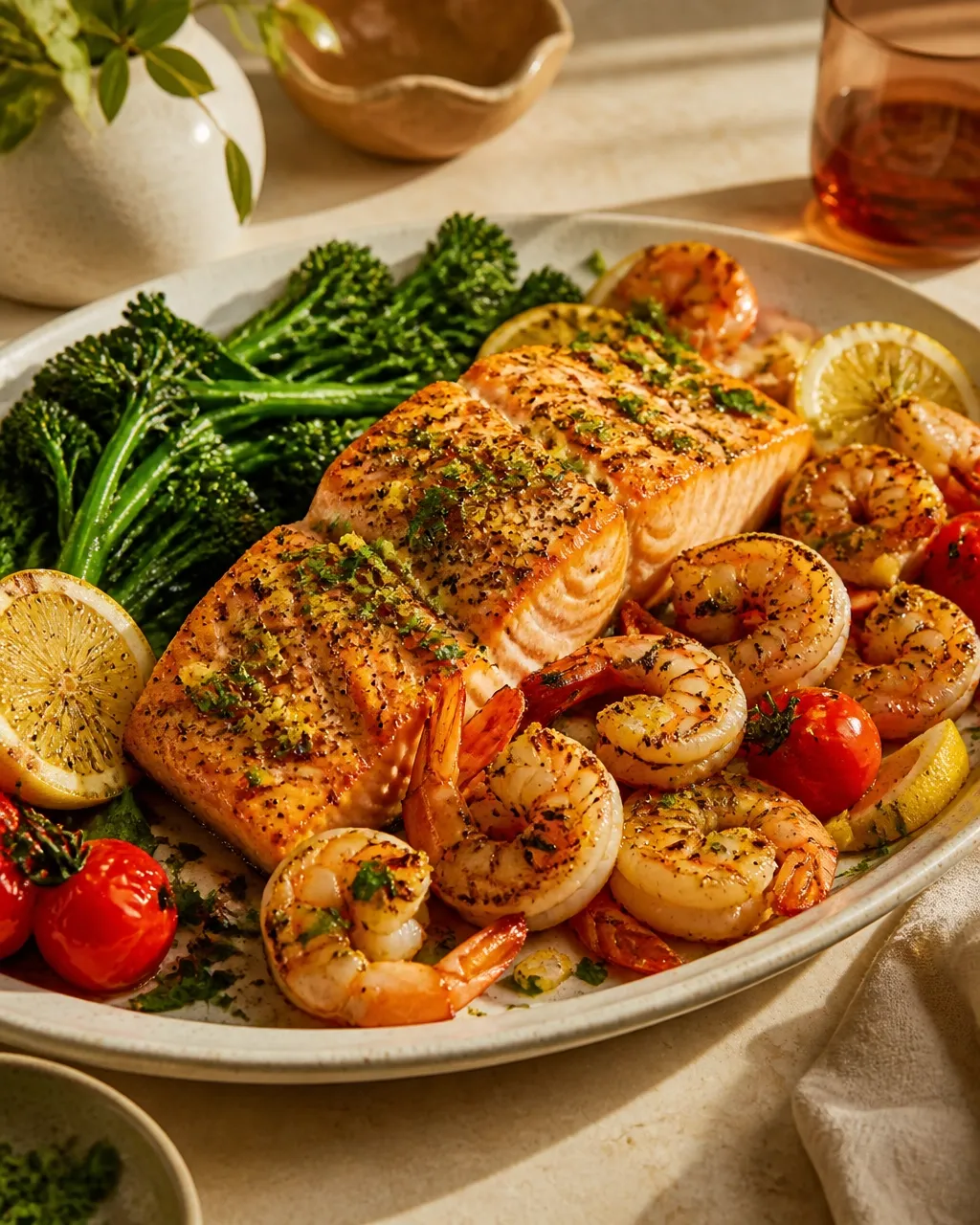
Use a paper towel to pat your salmon bone-dry before it ever touches the pan. If there is even a hint of water on the surface, the heat from your skillet will turn that water into steam. Steam cooks things, sure, but it doesn't brown them. You’ll end up with a rubbery, pale piece of fish instead of the crispy-skinned delight you deserve. Think of this as one of your go-to quick healthy meals where the prep is just as important as the heat.
Once your fish is dry, you have to respect the heat. Use a heavy-bottomed skillet, cast iron is my personal favorite, and get your oil shimmering. When you lay the fish down, do it away from you to avoid any spicy oil splatters. Now, here is the hardest part: leave it alone. Do not poke it. Do not slide it around. Do not lift the corner "just to check." When the proteins have properly seared, the fish will naturally release from the pan. If it’s sticking, it’s not ready to move. This "hands-off" approach is a non-negotiable rule if you want to master healthy dinner ideas that actually look like the photos.
While the salmon rests, the asparagus takes its turn in the same pan. This isn't just about saving on dishes (though your future self will thank you). The asparagus acts like a sponge, soaking up the rendered salmon fat and the browned bits, known as the fond, stuck to the bottom of the pan. This is where the "soulful" part of our minimalist cooking comes in; we are using every ounce of flavor the ingredients give us. Avoid overcooking the spears; you want them bright green and tender-crisp, not limp and mushy.
Variations to Keep It Fresh
While the classic lemon and garlic combo is a titan for a reason, you can easily pivot the flavor profile of this dish depending on your mood. If you’re feeling a bit more adventurous, try swapping the butter for ghee or even coconut oil for a slightly different richness.
Add a pinch of red chili flakes or a spoonful of sugar-free sambal oelek into the pan during the last minute of cooking to give the asparagus a spicy kick. If you're missing the "glossy" finish often found in pasta dishes like our one-pot linguine, whisk a tiny splash of heavy cream and some Dijon mustard into the pan drippings after you remove the fish. It creates a velvety, keto-friendly pan sauce that feels incredibly indulgent without the carb count.
For those nights when the skillet feels like too much work, you can actually adapt this for other equipment. Many people love air fryer recipes dinner style because it's even more hands-off. While the texture won't be identical to a cast-iron sear, you can get a beautiful result by roasting the fish and vegetables together. If you're curious about mastering that machine, check out our guide on air fryer sausage and peppers to see how heat circulation works to your advantage.
Elevating the Plate: Side Dish Pairings
Since this is a high-protein, high-fat keto meal, your side dishes should focus on providing acidity or light textures to cut through the richness of the salmon. Balance is the key to any successful culinary experience.
A bowl of fluffy cauliflower rice is the most obvious companion for keto recipes for beginners. It provides a neutral base that catches any stray lemon-butter sauce. If you want something even lighter, a simple arugula salad tossed with a heavy hand of lemon juice and a whisper of olive oil works wonders. The peppery bite of the arugula and the sharp acidity of the lemon reset your palate between every buttery bite of salmon.
Avoid heavy, starchy sides if you are sticking to your keto goals. If you aren't strictly low-carb but still want quick healthy meals, a small serving of quinoa or even a few roasted baby potatoes can be added. However, for the true keto experience, stay focused on fibrous greens. If you're in the mood for something more comforting and less "green," you might look toward our kielbasa and pierogi air fryer roast for inspiration on how to build a filling, hearty meal.
Common Questions & Troubleshooting (FAQ)
Can I use frozen salmon for this?
Yes, but you must thaw it completely in the refrigerator first. Frozen fish holds significantly more internal moisture. If you don't thaw it properly and pat it dry, you will never achieve that crisp skin. The ice crystals break down the cellular structure of the fish, so be extra gentle when patting it dry to avoid "bruising" the flesh.
Why did my salmon skin stick to the pan?
Two likely culprits: your pan wasn't hot enough, or you tried to move the fish too soon. The pan needs to be hot enough that the protein bonds instantly tighten and sear. If the pan is lukewarm, the fish will bond to the metal instead of searing. Also, check your pan: if you aren't using a well-seasoned cast iron or a high-quality non-stick, the delicate skin has a harder time releasing.
Is it safe to eat the skin?
Not only is it safe, it’s arguably the best part! In the keto world, that skin is a goldmine of healthy fats and collagen. When seared correctly, it has the texture of a salty, savory potato chip. If the idea of fish skin still weirds you out, you can cook it skin-side down to protect the flesh from overcooking, then simply peel it off before eating.
How do I know when the salmon is done without a thermometer?
Watch the side of the fillet. You will see the color change from translucent pink to opaque light pink starting from the bottom. When that opacity reaches about halfway up the side, it’s time to flip. After the flip, give it another minute or two. Press the top of the fish with your finger; it should feel firm but have a slight "give" or springiness, much like a medium-rare steak.
Can I make this as part of my weekly meal prep?
Salmon is best eaten fresh, but you can certainly prep the asparagus ahead of time by washing and trimming the ends. If you do have leftovers, I recommend cold-flaking the salmon into a salad the next day rather than microwaving it. Microwaving salmon is a surefire way to make it rubbery and, frankly, to make your coworkers or family members very unhappy with the smell.
What if my asparagus is very thick?
Thick asparagus spears have a woody, fibrous outer layer. Use a vegetable peeler to shave the bottom two inches of the stems. This removes the "chewy" part and ensures the entire spear cooks at the same rate. If they are truly jumbo, you can slice them in half lengthwise so they cook as quickly as the salmon.
By focusing on these few non-negotiable techniques: drying the fish, managing your heat, and letting the pan do the work: you can turn basic ingredients into one of the most reliable healthy dinner ideas in your repertoire. Keep practicing that sear; once you master the Maillard reaction, you've mastered the secret to professional-grade home cooking.
{“@type”:”BlogPosting”,”image”:”https://cdn.marblism.com/d0NbPQVJWLK.webp”,”author”:{“name”:”Penny”,”@type”:”Person”},”@context”:”https://schema.org”,”headline”:”Quick Keto Salmon & Asparagus Skillet”,”publisher”:{“logo”:{“url”:”https://cookpedia.com/logo.png”,”@type”:”ImageObject”},”name”:”Cookpedia”,”@type”:”Organization”},”description”:”Master the art of the perfect pan-seared keto salmon with this quick, minimalist guide. Learn the science behind the sear and how to pair it with tender asparagus for a healthy weeknight dinner.”,”datePublished”:”2026-06-09″,”mainEntityOfPage”:{“@id”:”https://cookpedia.com/quick-keto-salmon-asparagus-skillet”,”@type”:”WebPage”}}