Recipe
Servings
Servings 1×
Ingredients
- Chicken
- Salmon
- Chickpeas
- Beans
- Bread
- Cucumber
- Garlic
- Lemon
- Honey
- Mustard
- Tahini
- Feta
- Butter
- Cooking oil
- Salt
- Black pepper
Method
- Prepare the ingredients described in the article and heat the cooking surface or oven as directed.
- Cook the main ingredients using the heat and timing guidance in the article.
- Finish with the seasonings and garnishes named in the article, then serve.
If you have ten minutes and a can of chickpeas, you have a meal. I’m not talking about a sad, limp bowl of beans; I’m talking about a vibrant, crunch-filled Mediterranean masterpiece. When you are hunting for quick family meals that don't require a culinary degree or three hours of prep, this salad is your secret weapon. It relies on high-impact pantry staples and a few fresh vegetables to deliver a flavor profile that tastes like a week-long vacation in Greece.
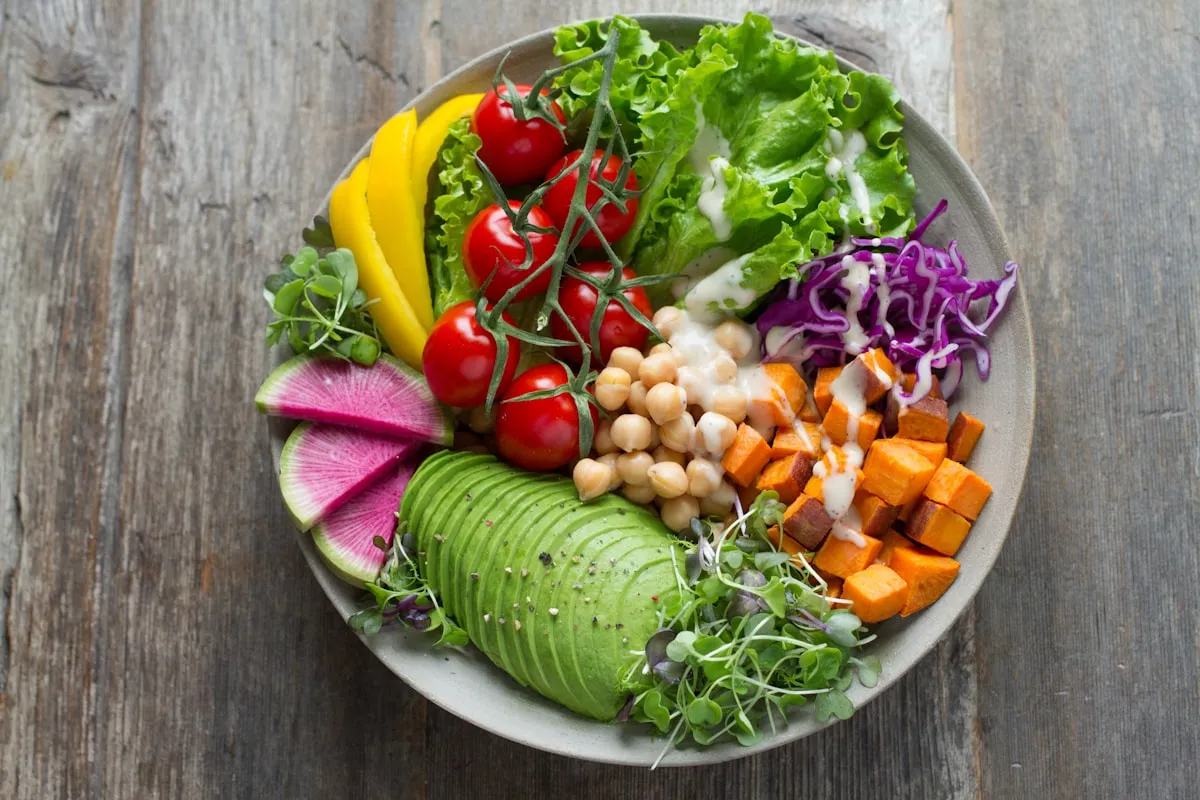
The Molecular Magic of the Chickpea
You might think of chickpeas as just protein-packed pebbles, but they are actually little chemistry kits. The most fascinating thing about them is their skin. That thin, translucent layer contains saponins, natural plant compounds that act as surfactants. In plain English, surfactants lower the surface tension of liquids, which is why the liquid in the can (aquafaba) gets foamy. When you toss your chickpeas in a vinaigrette, those saponins actually help the dressing cling to the bean rather than sliding off to the bottom of the bowl.
Texture is the most critical variable here. If you use canned chickpeas, rinse them thoroughly. This isn't just about removing the "tinny" taste; it’s about removing excess sodium and starch that can interfere with the osmotic balance of your salad. If the liquid on the outside of the bean is too salty or starchy, it will pull moisture out of your crisp vegetables like cucumbers and peppers, turning your salad into a soggy soup within twenty minutes.
The Science of the Emulsion
Every great salad lives or dies by its dressing. For this Mediterranean profile, we are looking for a stable emulsion. When you whisk lemon juice and olive oil, you are trying to force two substances that hate each other, water and fat, to get along.
Use a jar to shake your dressing instead of whisking it in a bowl. The physical agitation of shaking breaks the oil into microscopic droplets that the acidic lemon juice can surround. To make this emulsion even more robust, add a teaspoon of Dijon mustard or a bit of tahini. These ingredients act as emulsifiers, sitting at the interface of the oil and juice to prevent them from separating. This ensures every bite of your salad is evenly coated, providing a consistent mouthfeel.
Mastering Osmotic Pressure in Vegetables
Why do some salads stay crunchy while others wilt? It’s all about osmotic pressure. When you salt a cucumber or a tomato, you create a high concentration of solutes on the outside of the plant cells. Nature wants to balance this out, so it draws water out of the cells to dilute the salt.
Avoid salting your fresh vegetables until the very last second. If you salt them too early, your cucumbers will lose their structural integrity and become rubbery. If you are prepping this for the week, keep the dressing separate. This maintains the turgor pressure, the water pressure inside the plant cells, that gives the vegetables their satisfying "snap." For more tips on keeping fresh ingredients bright and bold, check out our guide on garlic butter hacks which explores similar flavor-concentration techniques.
High-Heat Variations for Added Crunch
While this is traditionally a cold salad, you can introduce a fascinating textural contrast by incorporating heat. One of my favorite healthy dinner ideas involves roasting half of the chickpeas before adding them to the bowl. Roasting causes the Maillard reaction, a chemical reaction between amino acids and reducing sugars that gives browned food its distinctive flavor.
If you are looking for air fryer recipes dinner enthusiasts will love, try tossing your chickpeas in the air fryer at 400°F for about 10 minutes. The rapid air circulation dehydrates the surface of the chickpea almost instantly, creating a crispy outer shell while keeping the interior creamy. This "crunch factor" transforms the salad from a side dish into a sophisticated main event. You can see a similar approach to texture in our air fryer sausage and pepper medley.
Balancing Flavor Profiles
Mediterranean cooking is a masterclass in balance. You have the richness of the olive oil and the creaminess of the chickpeas, which need to be cut by high acidity. Lemon juice provides that sharp brightness, but don't overlook the power of red wine vinegar or even a splash of brine from a jar of kalamata olives.
Acidity does more than just "taste sour." It actually stimulates salivation, which helps distribute the flavors across your palate more effectively. To balance the acidity, incorporate salty elements like feta cheese or capers. These provide "pops" of intensity that keep your taste buds engaged throughout the meal. If you find the salad too sharp, a tiny pinch of sugar or a drizzle of honey can round out the edges without making the dish sweet.
Perfect Pairings for a Complete Meal
While this salad is a powerhouse on its own, it plays exceptionally well with others. If you want to expand this into one of your go-to healthy dinner ideas, pair it with a lean protein. The high fiber content of the chickpeas means you don't need a massive amount of meat to feel full.
Grilled chicken seasoned with oregano, or even a simple piece of seared salmon, provides a warm contrast to the cold, crisp salad. For a fully plant-based spread, serve it alongside warm pita bread and a generous dollop of hummus. The double-chickpea approach might seem redundant, but the difference in texture, creamy hummus versus whole, snappy chickpeas, is a delight. If you’re in the mood for something heartier, this salad serves as a bright, acidic counterpoint to rich dishes like our kielbasa and pierogi roast.
Frequently Asked Questions
Can I use dried chickpeas instead of canned?
Absolutely, and scientifically speaking, you’ll get a better texture. Dried chickpeas that are soaked and boiled maintain a firmer cell wall structure than canned ones, which are often over-processed and can become mushy. However, the convenience of canned is hard to beat for quick family meals. If using canned, look for "no salt added" to maintain full control over the osmotic balance of the dish.
Why does my salad get watery the next day?
This is the result of the osmotic pressure I mentioned earlier. The salt in your dressing is drawing the water out of the cucumbers and tomatoes. To prevent this, either dress the salad immediately before eating or "de-water" your cucumbers beforehand. Slice them, salt them in a colander for 15 minutes, rinse them, and pat them dry. This removes the excess moisture that would otherwise end up at the bottom of your bowl.
How long will this stay fresh in the fridge?
If undressed, the chopped vegetables and chickpeas will last 3–4 days. Once dressed, the clock starts ticking. The acid in the lemon juice will begin to break down the chlorophyll in the herbs (turning your parsley dull) and soften the vegetables. For the best experience, eat it within 24 hours of dressing it.
Is this salad actually filling enough for dinner?
Yes, thanks to the satiety index. Chickpeas are rich in complex carbohydrates and fiber, which take longer for your body to break down. This prevents the blood sugar spikes and crashes associated with simple carb meals. When you add healthy fats from olive oil and feta, you are hitting all the macronutrient markers that signal to your brain that you are full.
Can I swap the chickpeas for another bean?
You can, but you’ll lose that specific Mediterranean texture. Cannellini beans are a popular swap, but they have much thinner skins and a creamier interior, which makes them more prone to breaking apart when tossed. If you swap, be gentle with your mixing to avoid creating a bean mash.
What’s the best way to store leftovers?
Store them in an airtight glass container. Plastic can sometimes absorb the smell of the red onions or the acidity of the lemon. If you have extra dressing, keep it in a small jar at room temperature if you're eating it soon, or in the fridge if it contains fresh aromatics like garlic. Just remember that olive oil solidifies in the fridge, so you’ll need to let it sit out for 10 minutes before it becomes liquid again.