Recipe
Servings
Servings 1×
Ingredients
- Lentils
- Pasta
- Carrots
- Tomatoes
- Onion
- Balsamic vinegar
- Soy sauce or tamari
Method
- Use brown or green lentils for this specific sauce.
- Brown and green lentils have a seed coat that maintains its shape even after simmering.
- Use a splash of balsamic vinegar or even a dash of soy sauce to deglaze the pan.
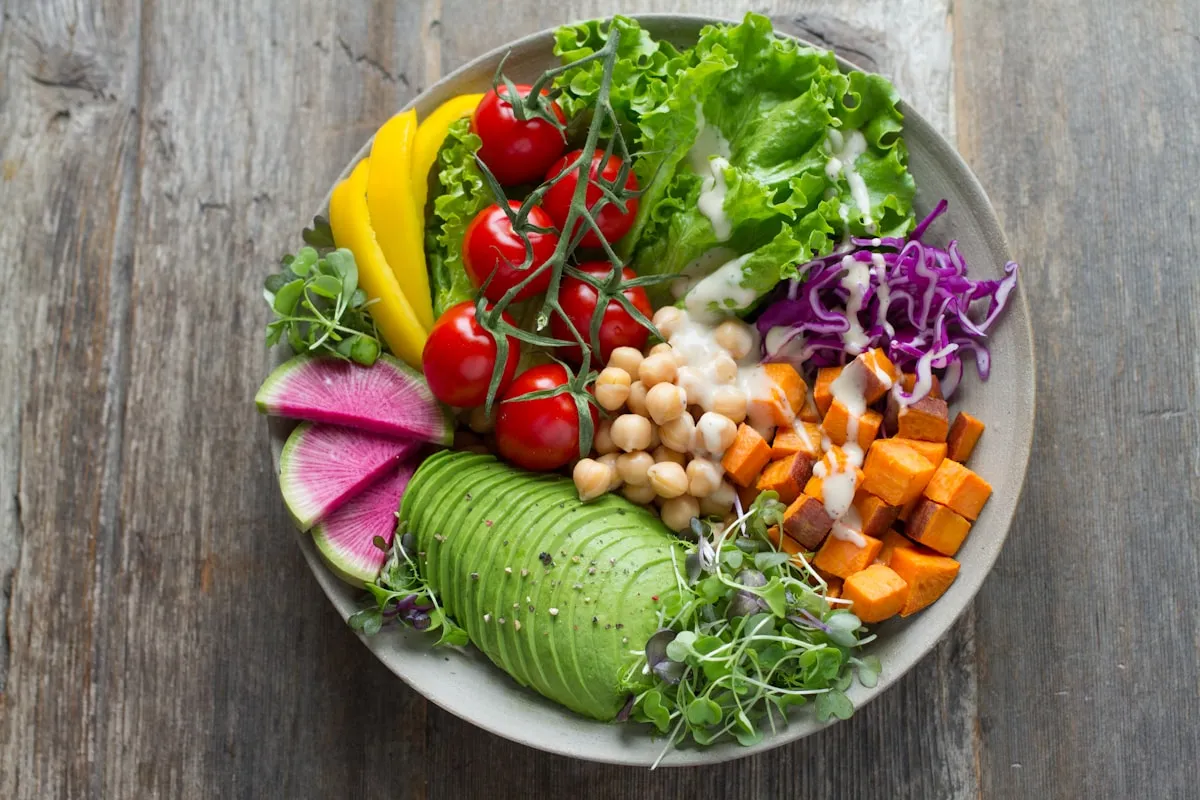
There is a specific kind of magic that happens when a bowl of steaming pasta hits the table after a long day. Most people think a deep, rich Bolognese requires hours of hovering over a simmering pot of ground beef, but I’m here to tell you that plants can do the job just as well, and in half the time. This plant-based walnut and lentil Bolognese is one of my favorite quick family meals because it hits all those savory, "meaty" notes without the heavy cleanup or the ethical baggage. It’s soulful, it’s accessible, and it’s about to become a permanent fixture in your kitchen rotation.
The Science of "Meaty" Texture and Umami
Creating a plant-based sauce that actually satisfies a craving for traditional Italian comfort food isn't just about throwing vegetables into a pot; it’s a lesson in food chemistry and structural integrity. To get that perfect mouthfeel, you need to understand the relationship between the protein-packed lentil and the fatty, crunchy walnut. This duo is the secret sauce to making healthy dinner ideas feel like a total indulgence.
The Structural Duo: Lentils vs. Walnuts
Lentils are the backbone of this dish, providing the bulk and the protein. However, not all lentils are created equal. Use brown or green lentils for this specific sauce. Why? Because red lentils are designed to break down and become creamy (perfect for dahl, terrible for Bolognese). Brown and green lentils have a seed coat that maintains its shape even after simmering. This "toothsome" quality mimics the chew of ground meat.
Walnuts, on the other hand, provide the fat and the "crumble." While lentils are soft and earthy, walnuts are rich and slightly bitter, which mimics the complexity of animal fat. When you pulse walnuts in a food processor or chop them finely, they release natural oils that emulsify with the tomato sauce, creating a glossy, rich finish that lingers on the tongue.
Building the Umami Base
Umami is the "fifth taste", that savory, moreish quality found in aged cheeses and seared meats. In plant-based cooking, we have to work a little harder to build it. This is why you must never skip the browning of your aromatics. Sauté your onions, carrots, and celery until they are translucent and just beginning to caramelize.
Check the bottom of your pan; that brown film (called the Maillard reaction) is pure flavor. Use a splash of balsamic vinegar or even a dash of soy sauce to deglaze the pan. This lifts those toasted sugars back into the sauce, deepening the color and the savoriness. Adding a concentrated tomato paste is also a non-negotiable step. Fry the paste for two minutes before adding your liquids; this "cooks out" the raw metallic taste and concentrates the natural glutamates in the tomatoes.
Variations for Every Palette
The beauty of a Bolognese is that it’s a canvas for whatever is in your pantry. If you want to lean into the richness, try adding a handful of finely diced mushrooms during the initial sauté. Mushrooms are almost entirely water, so they will shrink down significantly, but they add an incredible earthy depth that complements the walnuts.
For those who like a bit of heat, a pinch of red chili flakes stirred into the hot oil at the beginning will infuse the entire sauce with a subtle, warming glow. If you’re looking for a creamier finish, stir in a dollop of cashew cream or a splash of coconut milk at the very end. This softens the acidity of the tomatoes and makes the dish feel even more decadent.
You can also swap the pasta entirely. While spaghetti is the classic choice, a wide ribbon pasta like pappardelle or even zucchini noodles can change the vibe of the meal. If you're using zucchini noodles, remember to keep them raw or just barely warmed through to prevent them from becoming a watery mess in your bowl.
Side Dish Pairings: Balance is Key
Because this sauce is quite rich and earthy, your side dishes should focus on acidity and brightness to cut through the heaviness. A simple arugula salad with a sharp lemon vinaigrette is the perfect companion. The peppery bite of the greens and the citrus acid reset your palate between bites of savory pasta.
If you’re feeling like a more substantial meal, consider some garlic bread. You can actually use your air fryer recipes dinner knowledge here to make incredibly crispy garlic toast in just four minutes. Just slice some sourdough, rub it with a raw garlic clove, spray with olive oil, and air fry at 400°F (200°C) until golden. The crunch of the bread provides a fantastic contrast to the soft, hearty sauce.
Another great pairing is roasted broccolini or asparagus. The charred, slightly bitter notes of roasted green vegetables enhance the nuttiness of the walnuts in the sauce, making for a very cohesive meal.
FAQ: Mastering the Plant-Based Pot
What if my sauce is too watery?
This usually happens if the lentils didn't absorb enough liquid or if you added too much stock at once. Avoid adding all your liquid at the start. Instead, add it in stages. If it’s already too thin, simmer it uncovered for an extra 10 minutes. The evaporation will concentrate the flavors and thicken the consistency. Alternatively, mash a quarter of the lentils against the side of the pot with a wooden spoon; the released starch will act as a natural thickener.
Can I use canned lentils instead of dried?
Yes, you absolutely can, and it makes this one of the fastest quick family meals in your repertoire. Just ensure you rinse and drain them thoroughly. Since canned lentils are already cooked, they only need about 10 minutes of simmering in the sauce to absorb the flavors. However, be aware that canned lentils are softer, so you'll lose a bit of that "al dente" bite you get with dried ones.
Why do my walnuts taste bitter?
Walnuts contain tannins in their skins which can sometimes be overwhelming. To fix this, toast your walnuts in a dry pan for 3–5 minutes before adding them to the sauce. This mellows the bitterness and brings out a sweeter, nuttier aroma. Also, ensure your walnuts are fresh; because they have high oil content, they can go rancid if left in the pantry too long.
How long does this keep in the fridge?
This sauce is actually better the next day! As it sits, the lentils continue to absorb the aromatics, and the flavors meld together. It will stay fresh in an airtight container for up to five days. It also freezes beautifully. Just thaw it overnight in the fridge and reheat it on the stove with a tiny splash of water to loosen it up.
Is this recipe keto-friendly?
In its standard form with lentils and pasta, no. However, you can make a keto-friendly "Bolognese" by omitting the lentils and doubling the walnuts and mushrooms, then serving it over steamed cabbage ribbons or shirataki noodles. It won't be exactly the same, but you'll still get that incredible walnut-umami base.
Home cooking doesn't have to be a chore, and it certainly shouldn't feel like you're sacrificing flavor just to eat something healthy. This walnut and lentil Bolognese proves that with a little bit of science and the right ingredients, you can have a gourmet-level dinner on the table in the time it takes to watch a sitcom. For more soulful inspiration, check out our other Cookpedia recipes and start making the kitchen your favorite room in the house.