Recipe
Servings
Servings 1×
Ingredients
- Steak
- Tofu
- Noodles
- Rice
- Cauliflower
- Carrots
- Peas
- Cucumber
- Garlic
- Fresh ginger
- Honey
- Cooking oil
- Sesame
- Chili seasoning
- Salt
Method
- Sear the beef quickly, get those charred edges, and move it out of the pan.
- Toss them in just long enough to smell them (about 30 seconds) before splashing in your liquid components.
- Serve the whole thing over a bed of cauliflower rice instead of traditional jasmine rice.
- Use about 1/2 teaspoon of ground ginger for every tablespoon of fresh ginger called for, but try to stick to the fresh stuff if you can.
- Give it a final stir right before it hits the pan, and turn the heat down slightly to let it incorporate smoothly.
There is a specific kind of panic that sets in around 6:00 PM when the fridge looks empty and your energy is even emptier. Before you reach for the takeout app and resign yourself to a 45-minute wait for soggy noodles, let me introduce you to my weeknight savior. This sesame ginger beef stir-fry is faster than any delivery driver in the city. It’s one of those quick family meals that hits that perfect intersection of salty, sweet, and zingy, all while making you feel like a kitchen wizard.
The Science of the Sizzle: Why Techniques Matter
If you’ve ever wondered why restaurant beef is incredibly tender while your home version tastes like a leather shoe, the answer is "velveting." This isn't just a fancy culinary term; it's pure chemistry. Before the beef even touches the pan, coat it in a light dusting of cornstarch. This creates a thin, protective barrier around the protein fibers. When the meat hits the high heat, the cornstarch gelatinizes, locking in the moisture and preventing the beef from toughening up. It also helps the sauce cling to every single crevice later on.
Next, respect the Maillard reaction. This is the chemical reaction between amino acids and reducing sugars that gives browned food its distinctive flavor. To achieve this, use a heavy-bottomed skillet or a wok and get it screaming hot before you add the oil. If you crowd the pan with too much meat at once, the temperature drops, the beef begins to steam in its own juices, and you lose that beautiful crust. Work in batches. Sear the beef quickly, get those charred edges, and move it out of the pan.
The sauce is where the "zing" lives. Ginger contains an enzyme called zingibain, which actually helps break down meat proteins, acting as a secondary tenderizer. When you combine this with the emulsifying power of the leftover cornstarch in the pan, you get a glossy, high-impact sauce that looks professional. This approach is a cornerstone of healthy dinner ideas because you’re controlling the sodium and sugar levels that commercial kitchens usually crank up to eleven.
Always add your aromatics: the ginger and garlic: last. They have a high sugar content and low moisture, meaning they burn in seconds. Toss them in just long enough to smell them (about 30 seconds) before splashing in your liquid components. This "flash-frying" of aromatics preserves their volatile oils, giving you a punchier flavor than if you’d let them simmer into oblivion.
Stir-Fry Your Way: Delicious Variations
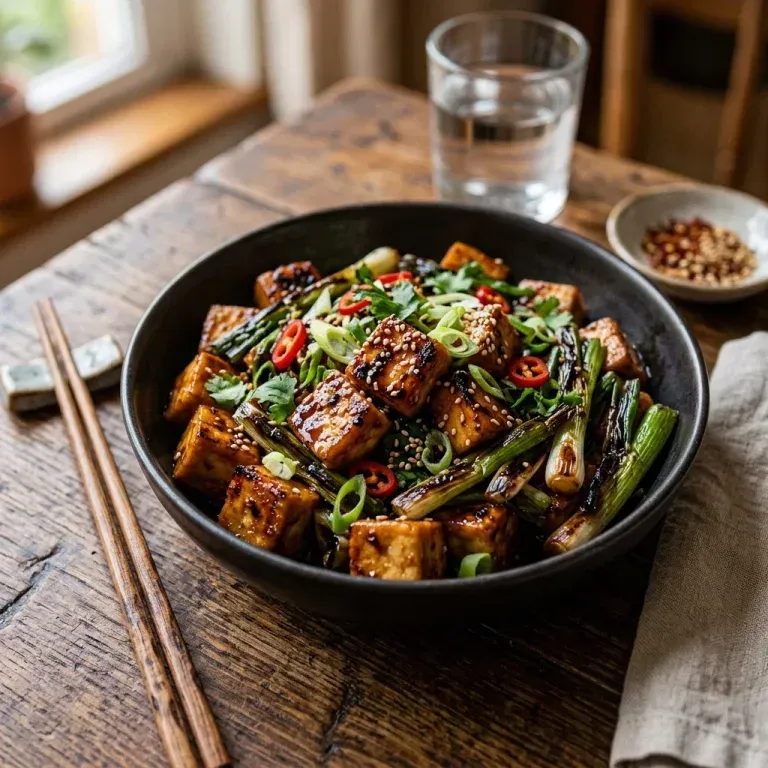
While beef is the star here, this blueprint is incredibly flexible. If you’re looking for healthy dinner ideas that lean more toward plant-based eating, swap the beef for extra-firm tofu. The velveting technique works surprisingly well here too: dust the tofu cubes in cornstarch and pan-fry them until they’re crispy before tossing them in the sesame ginger glaze.
For those monitoring their carbohydrate intake, this recipe is a dream. Skip the brown sugar or honey in the sauce and use a monk fruit sweetener or just rely on the natural sweetness of the red peppers. Serve the whole thing over a bed of cauliflower rice instead of traditional jasmine rice. If you want a heat kick, stir in a teaspoon of chili crisp or sriracha at the very end. The acidity of the rice vinegar in the base sauce will cut right through that spice, keeping the flavors balanced rather than overwhelming.
The Perfect Side: Balance the Richness
Because this dish is heavy on savory "umami" and rich toasted sesame oil, you want side dishes that offer a bright, acidic contrast. A quick cucumber salad with a splash of rice vinegar and a pinch of salt is the classic choice. The cooling crunch of the cucumber resets your palate between bites of the warm, savory beef.
If you have an air fryer taking up space on your counter, put it to work! You can find plenty of air fryer recipes dinner enthusiasts love, but for this specific meal, try air-frying some snap peas or thinly sliced carrots. The high-circulating heat gives them a charred, "roasted" flavor that mimics a wok's intense heat without needing a drop of extra oil. It’s a great way to bulk out the meal with fiber while keeping the stovetop clear for the main event.
Common Stir-Fry Snafus: FAQ
Why is my beef so chewy despite the cornstarch?
Check your slicing technique. You must slice the beef against the grain. Look for the long muscle fibers running through the meat and cut perpendicular to them. By doing this, you're shortening those fibers with your knife so your teeth don't have to do the work. Also, ensure you are using a quick-cooking cut like flank steak or sirloin.
Can I use ground beef instead of sliced steak?
Absolutely. It changes the texture, but it’s one of the best quick family meals hacks out there. You won't get the "velveting" effect, but you’ll get more surface area for the sauce to cling to. Just make sure to drain the excess fat before adding the ginger and garlic.
My veggies turned into mush. What happened?
You likely cooked them for too long or added them too early. In a proper stir-fry, veggies should go in after the beef is removed. They only need 2–3 minutes of high heat. They should be "tender-crisp": vibrant in color with a bit of a bite left. If they look dull, they're overdone.
What if I don't have fresh ginger?
In a pinch, you can use ground ginger, but be warned: it lacks the enzymatic power and the bright, spicy kick of the fresh root. Use about 1/2 teaspoon of ground ginger for every tablespoon of fresh ginger called for, but try to stick to the fresh stuff if you can. It makes a world of difference.
Why did my sauce turn into a thick clump?
This happens if the heat is too high when you add the cornstarch slurry, or if you didn't whisk the slurry before adding it. Cornstarch settles at the bottom of the bowl quickly. Give it a final stir right before it hits the pan, and turn the heat down slightly to let it incorporate smoothly.
By focusing on these small scientific details: the grain of the meat, the timing of the aromatics, and the chemistry of the cornstarch: you’ll turn a basic stir-fry into a regular rotation staple that rivals your favorite local spot. Happy cooking!