Recipe
Servings
Servings 1×
Ingredients
- Pork
- Ground turkey
- Pasta
- Noodles
- Bread
- Cauliflower
- Zucchini
- Spinach
- Lemon
- Feta
- Cooking oil
- Salt
- Black pepper
Method
- Let’s be honest: the humble meatball is the ultimate weeknight hero.
- Use salt early in your prep.
- Mix until the ingredients are just combined.
- Use a light touch when rolling; a tightly packed ball is a tough ball.
- Use a piece of crusty sourdough bread to swipe up the remaining marinara.
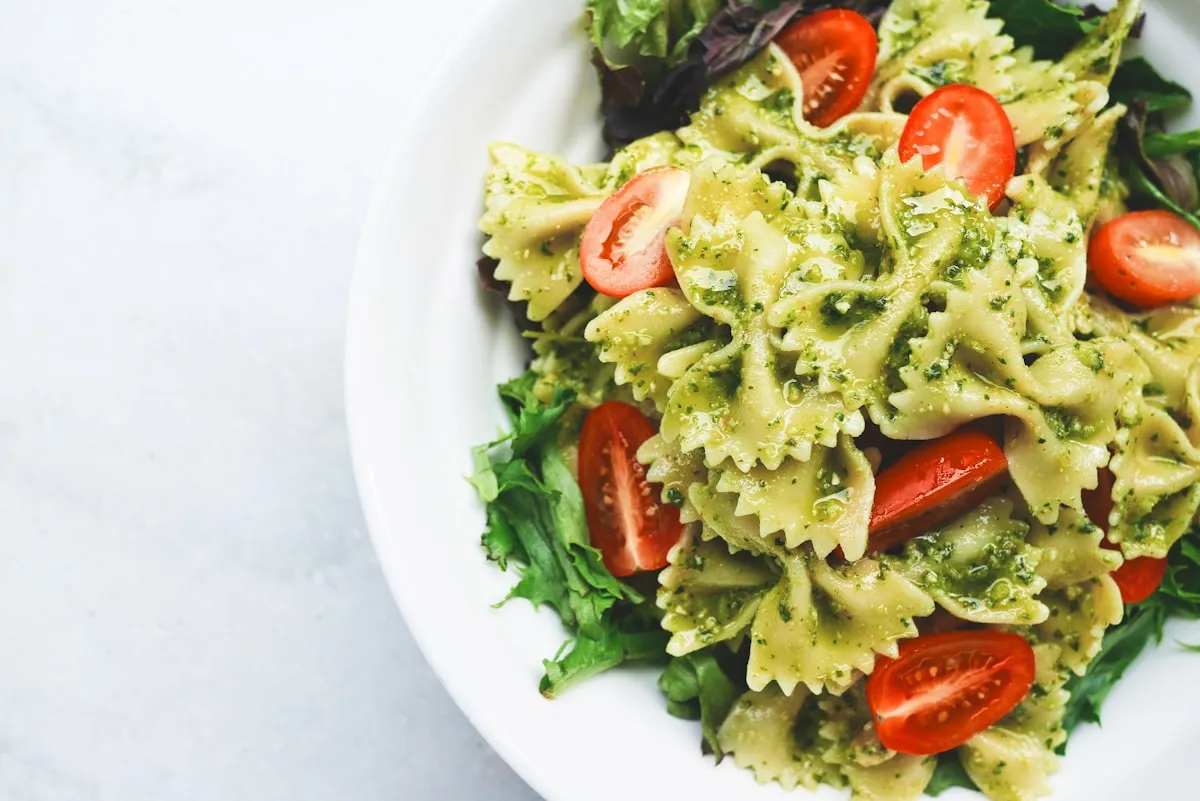
Let’s be honest: the humble meatball is the ultimate weeknight hero. It’s comforting, it’s nostalgic, and it’s one of those quick family meals that everyone actually agrees to eat without a fight. But if you’ve ever bitten into a turkey meatball only to find it has the texture of a dry sponge, you know the struggle is real. I’m here to change that. By bringing spinach into the mix and understanding a little bit of meat science, you can turn lean turkey into a juicy, flavorful masterpiece that rivals any Italian grandmother's secret recipe.
The Science of the Perfect Poultry Meatball
The biggest challenge with ground turkey is its lack of fat. Unlike traditional beef and pork blends, turkey is incredibly lean. In the world of cooking, fat equals flavor and: more importantly: moisture. When you heat lean protein, the muscle fibers tighten up and squeeze out their internal juices. If you don't provide a "buffer" to slow down this process, you end up with a hockey puck.
To combat this, we use two secret weapons: spinach and salt. Use salt early in your prep. Salting the meat before you even start rolling helps the proteins relax and increases their ability to hold onto water. Think of it as a pre-game stretch for your meatballs.
Then, there’s the spinach. While it adds a beautiful pop of green and a punch of nutrients, its primary role here is moisture management. Squeeze every single drop of water out of your spinach if you’re using the frozen kind. If you’re using fresh, sauté it down first and then squeeze it. If you skip this, that water will leak out during the baking process, and your meatballs will essentially boil from the inside out, leading to a mushy mess rather than a firm, juicy bite.
Avoid overmixing at all costs. Treat your meatball mixture like a delicate pastry dough. The more you work the meat with your hands, the more those proteins cross-link and toughen up. Mix until the ingredients are just combined. Use a light touch when rolling; a tightly packed ball is a tough ball. If you want healthy dinner ideas that don't feel like a compromise, keeping the texture light is non-negotiable.
Lastly, let’s talk about the simmer. While you can certainly brown these in a pan first, the gentlest way to cook turkey is right in the sauce. The marinara acts as a thermal blanket, distributing heat evenly and preventing the outside of the meatball from drying out before the center is safe to eat. Check your internal temperature. You’re aiming for 165°F. Anything more, and you’re back in "dry sponge" territory.
Flavor Variations and Texture Tweaks
One of the reasons this dish belongs in your rotation of quick family meals is its versatility. Once you master the base technique, you can play with the flavor profile to suit your mood.
For those who like a bit of heat, add crushed red pepper flakes directly into the meat mixture. The fat in the turkey (even the small amount there) will help carry that spice throughout every bite. If you’re a cheese lover, stuff a small cube of fresh mozzarella into the center of each ball. As they simmer in the marinara, the cheese melts into a gooey surprise that makes these feel much more indulgent than they actually are.
If you are looking for air fryer recipes dinner alternatives, you can actually brown these meatballs in the air fryer for 8–10 minutes before dropping them into the sauce. This gives them a fantastic "crust" that mimics deep-frying without the excess oil. Just remember to reduce the simmering time in the sauce afterward so you don't overcook the centers.
For a Mediterranean twist, swap the Italian seasoning for dried oregano, lemon zest, and a handful of crumbled feta. Instead of marinara, you could serve these over a bed of hummus with a drizzle of olive oil. The spinach still provides that essential moisture, but the flavor profile shifts entirely.
What to Serve on the Side
The beauty of meatballs in marinara is that they are a complete protein-and-veggie package, but they definitely benefit from a companion that can soak up that extra sauce.
If you’re keeping things classic, go with a long, thin pasta like spaghetti or linguine. The starch from the pasta helps the sauce cling to every strand. For those seeking healthy dinner ideas that are lower in carbs, zucchini noodles (or "zoodles") are a fantastic choice. The crunch of the zucchini provides a great structural contrast to the soft meatball.
Use a piece of crusty sourdough bread to swipe up the remaining marinara. There is a specific kind of joy in "the mop" at the end of a meal that shouldn't be ignored. If you want something a bit more substantial but still gluten-free, a creamy polenta or even a bed of mashed cauliflower works wonders. The key is to choose a side that offers a different texture: something either very smooth or slightly crunchy: to balance the soft, tender nature of the meatballs.
Frequently Asked Questions
Why did my meatballs fall apart in the sauce?
This usually happens for one of two reasons: not enough binder or too much movement. Use an egg and breadcrumbs as your "glue." The egg provides structure through protein coagulation, and the breadcrumbs act as a sponge to hold everything together. Also, once you drop the meatballs into the simmering marinara, do not stir them for at least five to seven minutes. They need time to set. If you agitate them too early, you’ll end up with a meat sauce instead of distinct meatballs.
Can I use frozen spinach instead of fresh?
Absolutely. In many ways, frozen spinach is actually better for this recipe because it’s already broken down. However, the non-negotiable rule is that you must squeeze it bone-dry. Frozen spinach holds an incredible amount of water. Wrap it in a clean kitchen towel and wring it out until your hands hurt. If you don't, that excess moisture will ruin the structural integrity of your meatballs.
Is it better to bake or simmer them?
If you want the absolute juiciest result, simmering in the sauce is the winner. The sauce protects the meat from the harsh, dry heat of the oven. However, if you prefer a bit of a "bite" or a browned exterior, you can bake them at 400°F for 10 minutes first, then finish them in the sauce for another 5 minutes. This gives you the best of both worlds: a savory crust and a tender interior.
How do I store and reheat them without drying them out?
Meatballs are the kings of meal prep. Store them submerged in the marinara sauce in an airtight container. When reheating, avoid the microwave if possible. Microwaves tend to vibrate the water molecules so rapidly that they steam the meat from the inside, making it rubbery. Instead, reheat them slowly in a small saucepan over medium-low heat. If the sauce has thickened too much, add a splash of water or chicken broth to loosen it up.
Can I make these keto-friendly?
Yes! To make this a keto-friendly option, simply swap the breadcrumbs for almond flour or crushed pork rinds. These provide the necessary bulk without the carbs. Serve them over a bed of spinach or zucchini noodles for a meal that fits perfectly into a low-carb lifestyle.
For more inspiration on how to make your weeknight cooking easier, check out our full range of quick family meals and healthy dinner ideas on our main site. Happy cooking!