Recipe
Servings
Servings 1×
Ingredients
- Rice
- Greek yogurt
- Cauliflower
- Mushrooms
- Cucumber
- Avocado
- Garlic
- Fresh ginger
- Lime
- Mustard
- Butter
- Cooking oil
- Soy sauce or tamari
- Sesame
- Chili seasoning
- Salt
- Black pepper
Method
- Let’s be honest: most "quick" recipes are a total lie.
- Use a heavy skillet that holds heat like it has trust issues.
- Spread the beef out, leave space for moisture to escape, and resist the urge to stir every ten seconds like you’re checking on a toddler with markers.
- Let contact with the skillet create a browned layer.
- Use larger crumbles at first, then break them down later.
- Use a fat with a high smoke point if your pan runs hot.
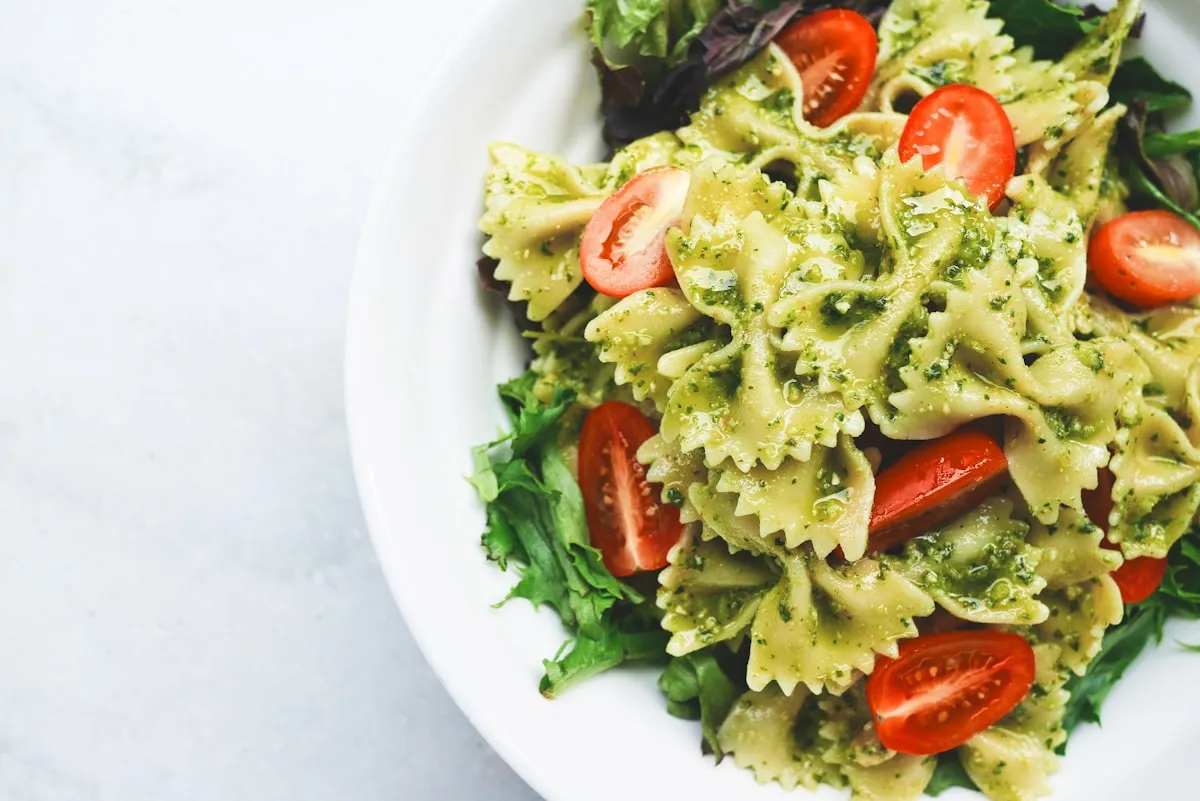
Let’s be honest: most "quick" recipes are a total lie. You start reading a recipe that promises a ten-minute turnaround, only to realize the "ten minutes" starts after you’ve spent forty-five minutes chopping shallots and hunting for a specific type of Himalayan pink salt. When you’re following a keto lifestyle, the stakes feel even higher. You’re hungry, your blood sugar is stabilizing, and if dinner isn’t ready soon, that bag of keto-friendly (but suspiciously high-calorie) nuts is going to disappear. This rapid keto beef pepper skillet is the absolute antithesis of the "fake fast" meal. It’s my go-to when the clock is ticking and I need real food that actually fits into a 10-minute meal category.
High Heat, Fast Browning, Better Flavor
If you want this skillet to taste deeply savory instead of vaguely cafeteria-ish, focus on what heat is doing to the beef. Beef proteins start changing structure the second they hit a hot pan. At lower heat, they tighten gradually and release moisture before browning can happen, which is exactly how you end up with sad grey crumbles floating in liquid. At higher heat, the surface moisture evaporates faster, the outside of the meat reaches browning temperature sooner, and the Maillard reaction finally gets to do its job.
That reaction is the star here. When amino acids and reducing sugars on the meat’s surface meet enough dry heat, they create a whole parade of new flavor compounds. That is where you get roasted, nutty, meaty depth instead of plain cooked beef. Use a heavy skillet that holds heat like it has trust issues. Cast iron and stainless steel both work because they do not panic when cold meat lands in the pan. If the beef hits the surface and immediately hisses, you’re in business. If it just kind of slumps there quietly, abort and give the pan another minute.
Avoid crowding. That is not a suggestion. It is a non-negotiable. Too much meat in one go drops the pan temperature and traps steam. Steam is the sworn enemy of crust. Spread the beef out, leave space for moisture to escape, and resist the urge to stir every ten seconds like you’re checking on a toddler with markers. Let the meat sit. Let contact with the skillet create a browned layer. Then break it up more once the bottom has actually developed color.
Flash-cooking works because the outside and inside of the beef behave differently. The outside loses water quickly and browns; the inside stays juicy if you don’t overwork it. That contrast is what makes a fast skillet feel satisfying rather than dry. Use larger crumbles at first, then break them down later. Bigger pieces keep more moisture in the center while still giving you browned edges. It is basic protein management, and honestly, dinner deserves that level of respect.
Protein Tightening, Fat Rendering, and Why Greasy Is Not the Goal
High heat is useful, but chaos is not. Beef contains both water and fat, and each responds differently in the pan. Protein fibers contract as they cook, squeezing out moisture. Fat, meanwhile, renders and coats the pan, carrying flavor-soluble compounds from spices and aromatics. This is why an 80/20 blend usually wins for a keto skillet. You get enough fat for richness and better mouthfeel, but not so much that dinner turns into an oil slick with attitude.
Use a fat with a high smoke point if your pan runs hot. Butter tastes great, but for the first sear it can cross from nutty to burnt in a hurry. Avocado oil or beef tallow gives you a bigger safety margin. Once the beef is browned, the rendered fat becomes a built-in flavor delivery system. It helps seasonings cling to the meat and peppers instead of tasting like they were sprinkled on at the last second by someone in a rush.
Do not confuse rendered fat with a finished sauce. If the skillet looks greasy, the mixture likely needs either better browning or a quick emulsion. A small splash of water or broth at the end can pull the flavorful browned bits from the pan and help the fat distribute more evenly. That tiny move changes the texture from slick to glossy. Same ingredients, wildly different result.
Pay attention to timing with aromatics. Garlic, ginger, and spices contain compounds that become fragrant in hot fat, but they can scorch fast once the pan is blazing. Add them after the beef has already browned and after the peppers have had a short head start. Burnt garlic has the unique ability to make an entire skillet taste like regret, so avoid it.
Why Peppers Belong Here: Color, Crunch, and Keto Logic
Peppers are not just the pretty sidekicks in this skillet. They bring texture, aroma, and smart keto balance. Bell peppers are relatively low in carbs for the volume and flavor they add, which makes them useful when you want a meal that feels generous without wandering off keto territory. Their natural sweetness also balances the aggressively savory character of beef, so the dish tastes rounded instead of one-note.
Color matters more than people give it credit for. Red, yellow, and orange peppers contain different proportions of carotenoids and vitamin C, and while I am not pretending a skillet is a chemistry exam, those pigments are not just decoration. They signal ripeness and sweeter flavor, which helps the peppers caramelize quickly under high heat. That sweet edge gives you contrast against the rich beef without requiring sugar or starchy add-ins. In other words, the peppers are doing culinary heavy lifting while looking suspiciously cheerful.
Cook them fast. Peppers are mostly water trapped in crisp cell walls. If you cook them too long, those walls collapse and release moisture, which softens the texture and cools the pan. If you flash-cook them, the outside blisters, the sugars concentrate slightly, and the interior stays snappy. That is the sweet spot. You want charred in places, crisp in others, and absolutely not limp.
If you like heat, add hotter peppers carefully. This is where capsaicin sensitivity enters the chat. Capsaicin, the compound that makes chili peppers feel hot, binds to pain receptors that detect heat. Your mouth is not literally burning, but your nervous system loves drama and reports it that way anyway. Some people can toss in jalapeños and keep smiling; others take one bite and suddenly need a life review. Know your tolerance and build heat gradually.
Also, understand that fat changes the way heat feels. Because capsaicin is fat-soluble, a richer keto meal can carry that spicy sensation across your palate more thoroughly. That can be good if you love warmth, but it also means spicy peppers may hit harder than expected in a beefy, high-fat skillet. Start with less than you think you need. You can always add more. You cannot un-jalapeño dinner.
Smart Variations Without Wrecking the Method
Once you understand the base technique, change the flavor profile without messing up the physics. For a Tex-Mex version, use smoked paprika, cumin, and a little oregano. Finish with lime. That acid cuts through rendered fat and wakes everything up right at the end. It is the difference between rich and heavy, and yes, that difference matters.
For a steakhouse-style spin, lean on black pepper, garlic, and a little mustard powder. Add mushrooms only if you are ready to treat them properly. Mushrooms dump a lot of water, so sear them separately or give them time before the beef goes in. Otherwise they will sabotage your browning plans like tiny moisture grenades.
For an Asian-inspired version, use ginger, garlic, and a splash of tamari or coconut aminos. Keep the sauce light. Too much liquid too early turns your beautiful sear into a simmer. Finish with sesame seeds or scallions if you want contrast, but keep the core rule intact: brown first, season second, sauce last.
If spice is your thing, use poblano for mellow warmth or jalapeño for sharper heat. If you know you are sensitive to capsaicin, remove seeds and membranes and pair the heat with a cooling side. Do not act brave and then blame the skillet. The skillet was innocent.
Pairings That Balance Richness Instead of Fighting It
This dish is rich, savory, and fast, so pair it with something that brings either acid, bitterness, or a mild creamy note. Use a simple arugula salad with olive oil and vinegar if you want sharp contrast. The peppery greens echo the skillet without making the whole plate feel repetitive. Better yet, the acidity helps cut through the rendered beef fat so each bite tastes fresh instead of progressively heavier.
Cauliflower rice is the obvious keto move, but it earns its place. Its mild flavor acts like a sponge for the juices, and its soft texture plays well against the beef’s browned edges and the peppers’ crunch. Keep it lightly seasoned so it supports the skillet instead of trying to audition for its own show.
For something cooler, use a cucumber salad with a tart dressing. That crisp, watery snap offsets both heat and richness, especially if you added spicy peppers and now need your dinner to calm down a little. A spoonful of full-fat yogurt sauce on the side can also help if capsaicin sensitivity is part of your life. Fat and dairy proteins help soften the perception of heat much better than chugging water, which mostly just moves the fire around.
FAQ: What If the Skillet Fights Back?
Even easy weeknight food can go sideways if you ignore the details. Here are the fixes that save dinner.
What if my beef turns grey before it browns?
Your pan was not hot enough, the beef was too crowded, or both. Drain excess liquid if needed, return the skillet to high heat, and let the surface get properly hot before the meat goes back in. Brown in batches if you have to. Browning is about dry heat and direct contact, not optimism.
What if the beef gets tough?
You likely overcooked it after the initial sear. Ground beef proteins tighten as they cook, and if you keep blasting them forever, they squeeze out moisture and get chewy. Sear hard at the start, then stop once the meat is cooked through and flavorful. Fast is your friend here.
What if my peppers turn soggy?
You added them too early, cooked them too long, or trapped steam with a lid. Skip the lid. Add peppers after the beef has browned, and cook just until blistered and tender-crisp. Their structure holds best when the heat is high and the time is short.
What if I want more spice but I’m sensitive to capsaicin?
Use milder peppers first, or add a tiny amount of hot pepper and taste before adding more. Remove seeds and membranes to reduce intensity. Pair the skillet with something cooling and creamy instead of pretending water will solve the problem. Water is basically useless in this situation. Rude, but true.
What if the skillet tastes greasy instead of rich?
That usually means the fat separated instead of coating everything evenly. Add a spoonful of water or broth and stir to emulsify. Also make sure the beef actually browned. Proper browning gives structure and flavor that balance the fat.
Can I use frozen peppers?
Yes, but only if you manage the moisture. Thaw them first and dry them well. Frozen peppers release water fast, which makes searing harder and softens texture. They are fine in a pinch, but fresh peppers are better if crispness is the goal.
How do I choose the right beef for keto?
Look for beef with enough visible fat to stay juicy under high heat. An 80/20 blend is usually the sweet spot. Ultra-lean beef cooks up dry and crumbly in a skillet like this, which is not the energy we’re bringing to dinner.
Troubleshooting Guide
| Issue | Root Cause | The Fix |
|---|---|---|
| Grey/Steamed Beef | Pan wasn't hot enough or was overcrowded. | Ensure the skillet is shimmering hot; sear beef in batches to allow for proper browning. |
| Soggy Bell Peppers | Added too early or cooked with a lid on. | Add peppers only after beef is browned; never cover the pan when searing. |
| Bitter Garlic/Ginger | Aromatics were added too early to the high heat. | Stir in minced garlic and ginger during the last 60 seconds of cooking. |
| Greasy Mouthfeel | Fat separated from the juices. | Stir in a tablespoon of cold water or broth to emulsify the fat into a cohesive sauce. |
| Excessive Liquid | Frozen beef or peppers released moisture. | Drain the pan, reheat to high, and return the ingredients for a quick, hard sear. |