Recipe
Servings
Servings 1×
Ingredients
- Salmon
- Rice
- Asparagus
- Garlic
- Lemon
- Balsamic vinegar
- Butter
- Cooking oil
Method
- Prepare the ingredients described in the article and heat the cooking surface or oven as directed.
- Cook the main ingredients using the heat and timing guidance in the article.
- Finish with the seasonings and garnishes named in the article, then serve.
If you have thirty minutes and a sheet pan, you have no excuse for a mediocre dinner. We’ve all been there: staring at a piece of fish, hoping it doesn't turn into a dry, chalky mess or, worse, sprout that weird white "gunk" that looks like it belongs in a science lab rather than on a plate. This roasted salmon with asparagus and lemon is the ultimate solution for anyone hunting for healthy dinner ideas that actually taste like they came from a bistro. It’s elegant, efficient, and relies on basic physics to deliver a perfect result every single time.
The Science of the Sear and the "Gunk" Problem
Let’s talk about the white stuff. That white substance is called albumin. It’s a perfectly safe-to-eat protein that lives inside the salmon, but when the muscle fibers contract too quickly, usually from aggressive, high-heat cooking, they squeeze that albumin out like a sponge. It coagulates on the surface, and while it won't hurt you, it definitely ruins the "I’m a professional chef" vibe you’re going for. To avoid this, control your temperature. Aim for a steady 400°F (200°C). This is the sweet spot where you get enough heat to trigger the Maillard reaction, that glorious browning that creates complex, savory flavors, without traumatizing the fish into a state of protein-squeezing panic.
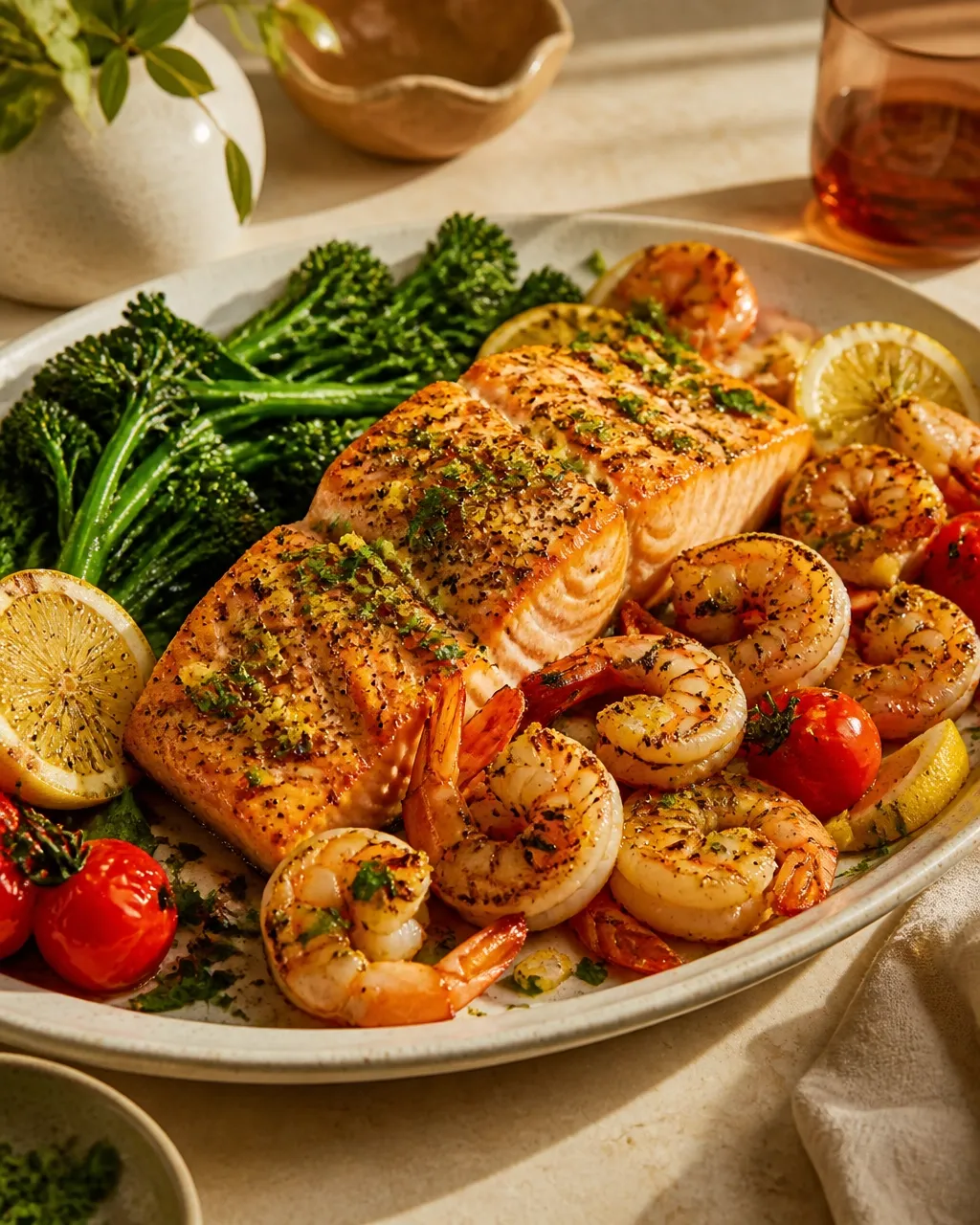
Before your salmon even touches the pan, use a paper towel to pat it completely dry. Moisture is the enemy of the Maillard reaction. If the surface of your fish is wet, the oven’s energy spends all its time evaporating that water (steaming your fish) instead of browning the proteins. A dry surface ensures a crisp exterior and a tender interior. For the asparagus, apply the same logic. Wet stalks will steam and turn into mushy, grey-green sticks. Dry them thoroughly and toss them in just enough oil to coat. Oil acts as a heat conductor, helping the heat of the oven penetrate the fibrous exterior of the asparagus and break down the cellulose, leaving you with a snap that isn't woody.
Don't skip the lemon slices on the pan. While the juice adds acidity later, roasting the slices themselves caramelizes their natural sugars and mellows the harshness of the citric acid. This creates a concentrated, jammy lemon flavor that cuts through the richness of the salmon’s healthy fats. If you're looking for quick family meals that don't require ten different pots, this one-pan approach is your best friend. It utilizes radiant heat to cook everything simultaneously, provided you space your ingredients out. Do not crowd the pan. If the asparagus is piled on top of the salmon, you’re back to steaming. Give everything its own "personal space" to ensure the hot air can circulate freely.
Fast Tracks and Flavor Twists
If you’re in an even bigger rush, you can easily adapt this for the air fryer. The concentrated convection of an air fryer makes it one of the most reliable air fryer recipes dinner enthusiasts can keep in their back pocket. The high-velocity air mimics a professional convection oven, giving you an even crispier skin in about half the time. Just be sure to check the internal temperature early; salmon can go from "perfectly translucent" to "overdone" in about sixty seconds in a small air fryer basket.
For variations, try swapping the lemon for orange or grapefruit slices to change the acidity profile. You can also create a "dry rub" using smoked paprika and garlic powder if you want something punchier. If you’re feeling fancy, a drizzle of balsamic glaze right before serving adds a hit of sugar and acid that balances the savory notes of the roasted asparagus. Just remember: the more sugar you add before roasting, the faster it will burn, so save the sticky glazes for the final two minutes of cooking.
Balancing the Plate: What to Serve
While this is a complete meal on its own, adding a complex carbohydrate helps soak up those delicious pan juices. A simple pearl couscous or a wild rice pilaf provides a textural contrast to the buttery salmon and the snappy asparagus. If you want to keep it lighter, a crisp arugula salad with a simple vinaigrette works wonders. The peppery bite of the arugula cuts through the oily richness of the fish, creating a balanced palate.
I often recommend our Kielbasa Pierogi Air Fryer Roast for when you want comfort, but for this salmon dish, keep the sides clean. A side of garlic butter ramen (minus the heavy toppings) can actually be a fun, fusion-style accompaniment if you’re looking to break away from traditional grains.
FAQ: Troubleshooting Your Roast
Why is my salmon still raw in the middle but burnt on top?
This usually happens because the salmon was too cold when it went into the oven. Take your fillets out of the fridge 15–20 minutes before cooking to take the chill off. This ensures the heat doesn't have to work overtime to penetrate the icy center while the exterior is already sizzling.
Can I use frozen salmon?
Yes, but thaw it completely in the fridge overnight. Frozen salmon contains more internal moisture, so you must be extra diligent about patting it dry. If you cook it from frozen, the outside will be overcooked before the inside even thaws, and you’ll end up with a massive amount of that white albumin "gunk."
How do I know when the asparagus is "done"?
The "snap" test is your guide. Use a fork to pierce a stalk; it should offer slight resistance but slide in easily. If it’s limp and dull in color, you’ve gone too far. If it’s bright green and slightly charred at the tips, it’s perfect.
Is it better to leave the skin on?
Absolutely. Even if you don't plan on eating the skin, it acts as a thermal barrier between the hot pan and the delicate flesh. It helps the salmon cook more evenly and prevents it from sticking to the tray. If you want crispy skin, start the salmon skin-side down on a preheated tray.
What if I don't have a lemon?
Use a splash of white wine or a teaspoon of capers. You need that hit of acid to balance the fats in the salmon. Without it, the dish can feel heavy.
By understanding the relationship between moisture, heat, and protein, you can turn a basic sheet pan meal into a restaurant-quality experience. Keep it dry, keep it spaced out, and don't overcook it. Your dinner is served.