Recipe
Servings
4 1×
Serves 4Prep 15 minCook 20 minTotal 35 min
Ingredients
- 1 cup uncooked jasmine or long-grain white rice
- 1¾ cups water
- ¼ teaspoon salt
Method
- Prepare the rice. Rinse the rice under cold water until the water runs mostly clear. Add it to a saucepan with the water and salt. Bring to a boil, then cover and reduce the heat to low. Simmer for 12–15 minutes, or until the water has been absorbed and the rice is tender. Remove from the heat and leave covered for 5 minutes. Fluff with a fork.
- Make the sauce. In a small bowl, whisk together the soy sauce, sesame oil, rice vinegar, honey, ginger, garlic, and sriracha, if using.
- Prepare the chicken. Cut the chicken into bite-size pieces, approximately 1 inch each. Place the chicken in a bowl and add half of the sauce. Toss to coat and leave for 10 minutes while preparing the vegetables. Keep the remaining sauce separate.
- Cook the chicken. Heat the neutral oil in a large skillet or wok over medium-high heat. Add the chicken, allowing excess marinade to remain in the bowl. Arrange the pieces in a single layer and cook for 3–4 minutes without moving them. Stir and continue cooking for another 3–4 minutes, until browned and cooked through.
- Check the temperature. Insert a food thermometer into the thickest piece of chicken. It should register at least 165°F (74°C). If the chicken requires additional cooking, reduce the heat slightly and continue until it reaches the required temperature.
- Cook the vegetables. Transfer the cooked chicken to a clean plate if the skillet is crowded. Add the carrot, bell pepper, and snap peas to the same skillet. Stir-fry for 3–5 minutes, until the vegetables are bright and tender-crisp.
- Finish the sauce. Return the chicken to the pan. Pour in the reserved sauce that has not touched the raw chicken. Stir for 1–2 minutes, until the sauce is hot and coats the chicken and vegetables.
- Assemble the bowls. Divide the rice between four bowls. Add the sesame ginger chicken and vegetables. Finish with sesame seeds, spring onions, lime wedges, and coriander, if using. Serve immediately.
Sesame Ginger Chicken Rice Bowl (Easy)

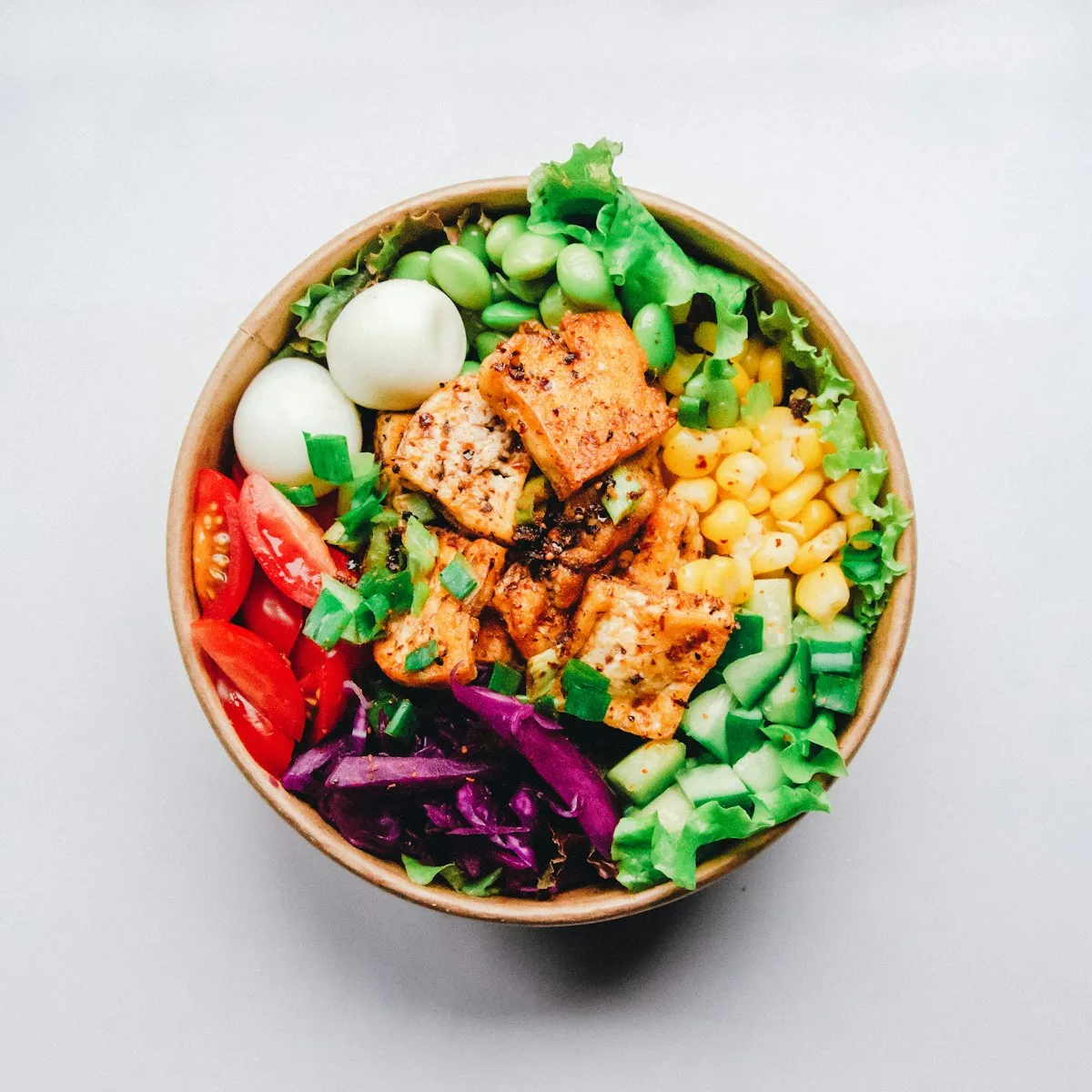
This sesame ginger chicken rice bowl is a practical weeknight meal built from familiar ingredients. Tender chicken is coated in a savoury-sweet sauce made with soy sauce, sesame oil, fresh ginger, garlic, rice vinegar, and honey. The chicken cooks quickly in a hot pan, while carrots, bell pepper, and snap peas add colour and texture.
Serve everything over steamed rice for a balanced meal that is suitable for family dinners, meal preparation, or a quick lunch. The sauce can be mixed ahead of time, and the vegetables can be adapted to whatever is available.

Why this recipe works
The chicken is cut into small, even pieces so it cooks quickly and absorbs more of the sauce. Fresh ginger gives the dish its main aromatic note, while sesame oil adds a toasted flavour without requiring a long marinade.
Keeping part of the sauce separate is important. Sauce that has touched raw chicken should not be used as a finishing drizzle unless it is cooked thoroughly. For poultry safety, cook the chicken to an internal temperature of 165°F (74°C). The USDA chicken safety guidance provides further handling information.
Recipe
Sesame Ginger Chicken Rice Bowl
Servings: 4
Prep time: 15 minutes
Cook time: 20 minutes
Total time: 35 minutes
Cuisine: Asian-inspired
Category: Dinner
Ingredients
For the rice
- 1 cup uncooked jasmine or long-grain white rice
- 1¾ cups water
- ¼ teaspoon salt
For the chicken and sauce
- 1 lb (450 g) boneless, skinless chicken breasts or thighs
- ¼ cup low-sodium soy sauce
- 1 tablespoon toasted sesame oil
- 1 tablespoon rice vinegar
- 1 tablespoon honey
- 1 tablespoon finely grated fresh ginger
- 2 garlic cloves, finely minced
- 1 teaspoon sriracha or chilli sauce, optional
- 1 tablespoon neutral oil, such as vegetable or avocado oil
For the vegetables
- 1 medium carrot, cut into thin matchsticks
- 1 red bell pepper, thinly sliced
- 1 cup snap peas
- 2 spring onions, thinly sliced
To serve
- 1 tablespoon sesame seeds
- Lime wedges
- Additional sliced spring onions
- Fresh coriander, optional

Method
Prepare the rice.
Rinse the rice under cold water until the water runs mostly clear. Add it to a saucepan with the water and salt. Bring to a boil, then cover and reduce the heat to low. Simmer for 12–15 minutes, or until the water has been absorbed and the rice is tender. Remove from the heat and leave covered for 5 minutes. Fluff with a fork.Make the sauce.
In a small bowl, whisk together the soy sauce, sesame oil, rice vinegar, honey, ginger, garlic, and sriracha, if using.Prepare the chicken.
Cut the chicken into bite-size pieces, approximately 1 inch each. Place the chicken in a bowl and add half of the sauce. Toss to coat and leave for 10 minutes while preparing the vegetables. Keep the remaining sauce separate.Cook the chicken.
Heat the neutral oil in a large skillet or wok over medium-high heat. Add the chicken, allowing excess marinade to remain in the bowl. Arrange the pieces in a single layer and cook for 3–4 minutes without moving them. Stir and continue cooking for another 3–4 minutes, until browned and cooked through.Check the temperature.
Insert a food thermometer into the thickest piece of chicken. It should register at least 165°F (74°C). If the chicken requires additional cooking, reduce the heat slightly and continue until it reaches the required temperature.Cook the vegetables.
Transfer the cooked chicken to a clean plate if the skillet is crowded. Add the carrot, bell pepper, and snap peas to the same skillet. Stir-fry for 3–5 minutes, until the vegetables are bright and tender-crisp.Finish the sauce.
Return the chicken to the pan. Pour in the reserved sauce that has not touched the raw chicken. Stir for 1–2 minutes, until the sauce is hot and coats the chicken and vegetables.Assemble the bowls.
Divide the rice between four bowls. Add the sesame ginger chicken and vegetables. Finish with sesame seeds, spring onions, lime wedges, and coriander, if using. Serve immediately.

Tips for the best results
- Cut the chicken evenly. Pieces of a similar size will cook at the same rate.
- Use fresh ginger. Ground ginger can be used in an emergency, but freshly grated ginger gives the sauce a cleaner, sharper flavour.
- Avoid overcrowding the pan. Cook the chicken in two batches if necessary. Too much chicken in the pan can cause steaming instead of browning.
- Keep the vegetables crisp. Add them after the chicken and cook only until just tender.
- Use low-sodium soy sauce if available. This gives you more control over the final salt level.
- Do not reuse raw chicken marinade. Any sauce that has touched raw chicken must be discarded unless it is boiled and cooked thoroughly.
- Store rice safely. Refrigerate leftovers promptly in shallow containers and use them within 3–4 days.
Variations
Make it gluten-free
Use certified gluten-free tamari instead of regular soy sauce. Check the labels on the rice vinegar, chilli sauce, and other packaged ingredients if cross-contact is a concern.
Use chicken thighs
Boneless, skinless chicken thighs remain moist and have a deeper flavour. Trim excess fat and cut the thighs into pieces slightly smaller than 1 inch.
Add more vegetables
Broccoli florets, shredded cabbage, mushrooms, edamame, courgette, or baby corn can be added. Harder vegetables should go into the pan first so everything finishes at the same time.
Make it spicy
Add extra sriracha, chilli flakes, or a thinly sliced red chilli to the sauce. Add chilli gradually because the heat becomes more noticeable as the sauce reduces.
Use brown rice
Brown rice adds a firmer texture and more fibre, but it generally requires a longer cooking time. Prepare it according to the packet instructions before starting the chicken.
Make it dairy-free
This recipe contains no dairy as written. Verify packaged sauces if strict allergen control is required.
Storage and reheating
Allow the chicken, vegetables, and rice to cool briefly before transferring them to airtight containers. Store the components together or separately in the refrigerator for up to 3–4 days.
Reheat until steaming hot throughout. A splash of water can help loosen the rice, while a small amount of fresh soy sauce, lime juice, or sesame oil can refresh the flavour. Do not repeatedly reheat the same portion.
FAQ
Can I prepare this chicken rice bowl ahead of time?
Yes. Cook the rice, chicken, and vegetables in advance and refrigerate them in separate containers if possible. Assemble and reheat when needed. Keep garnishes such as spring onions, sesame seeds, and lime wedges separate until serving.
Can I use frozen vegetables?
Yes. Frozen broccoli, edamame, or mixed vegetables can be used. Add them directly to the hot pan and cook until heated through. Frozen vegetables may release more water, so allow the pan to become hot again before adding the sauce.
How do I stop the chicken from becoming dry?
Do not cut the chicken into very small pieces, avoid prolonged cooking, and use a thermometer to remove it from the heat once it reaches 165°F (74°C). Chicken thighs are also more forgiving than chicken breast.
Can I make the sauce without honey?
Replace the honey with light brown sugar, maple syrup, or another granulated or liquid sweetener. For a less sweet sauce, reduce the amount to 1½ teaspoons.
What rice is best for this recipe?
Jasmine rice is a good choice because its soft texture and light fragrance complement the sauce. Basmati, short-grain rice, brown rice, or cooked quinoa can also be used.
Can I cook this in an air fryer?
Yes, but cook the chicken separately from the vegetables. Toss the chicken with the sauce, arrange it in a single layer, and air-fry at approximately 400°F (200°C) until browned and the centre reaches 165°F (74°C). Cook the vegetables in a skillet or roast them separately.
Nutrition information
Approximate nutrition per serving, including rice and vegetables:
- Calories: 520 kcal
- Protein: 35 g
- Carbohydrates: 65 g
- Fat: 14 g
- Saturated fat: 3 g
- Sodium: 850 mg
- Sugar: 9 g
- Fibre: 4 g
Nutritional values are estimates and vary according to the brands and quantities used.