Recipe
Servings
Servings 1×
Ingredients
- Chicken
- Quinoa
- Orzo
- Greek yogurt
- Asparagus
- Garlic
- Lemon
- Balsamic vinegar
- Cream
- Cooking oil
- Chili seasoning
- Black pepper
Method
- Use a large rimmed baking sheet and leave at least half an inch of breathing room between every component.
- Use the freshest aromatics you can find to build a foundation of flavor.
- Let’s talk about the lemon.
- Use the staggered entry method: roast your chicken first until it’s about two-thirds of the way done, then slide the tray out and nestle the asparagus spears into the rendered chicken fat.
- Use boneless, skinless thighs cut into bite-sized pieces and toss them with the same marinade.
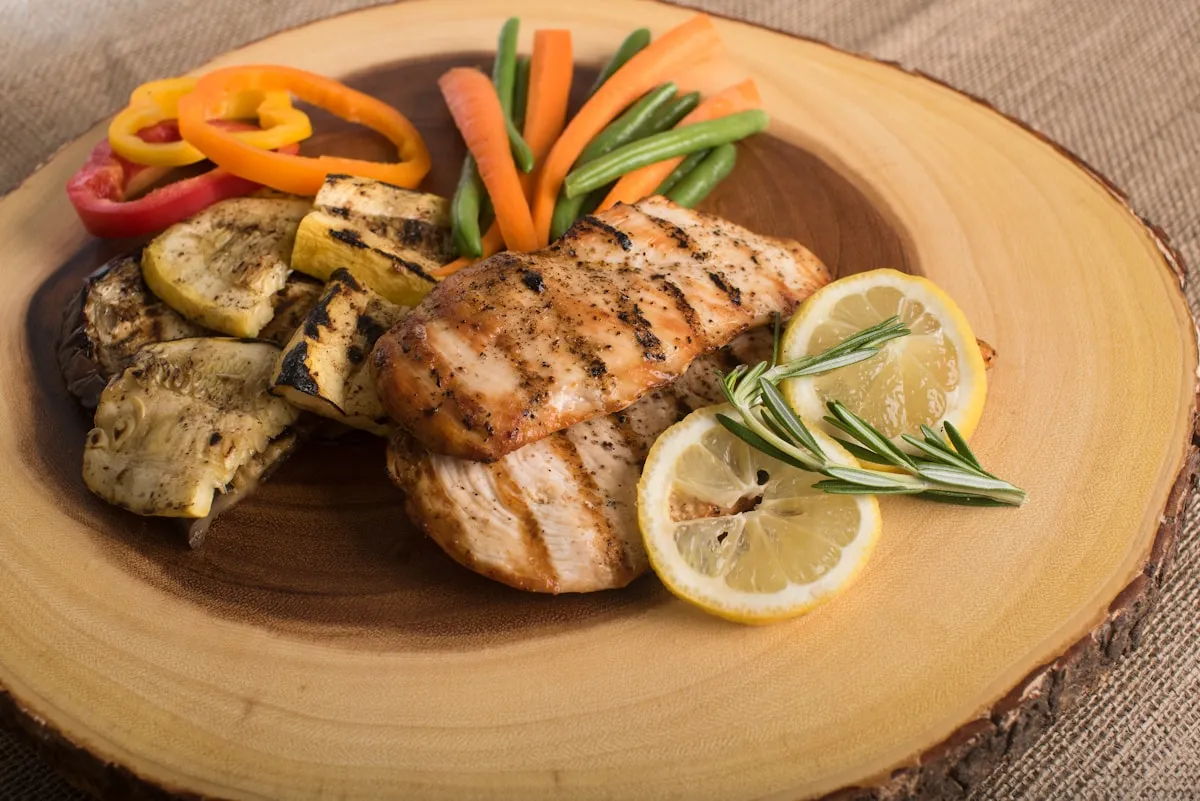
If you are tired of staring at your fridge at 6:00 PM wondering how to feed a hungry household without creating a mountain of dishes, you have come to the right place. My kitchen philosophy is simple: high impact, low effort. This sheet pan lemon herb chicken and asparagus is the ultimate testament to that. It is vibrant, soul-warming, and relies on a few heavy-hitting Mediterranean staples to do the hard work for you. Forget the complex multi-pot operations; we are letting the oven and a single tray handle the heavy lifting today.
The Science of the Sheet Pan: Heat, Acid, and Aromatics
Mastering the sheet pan is less about following a script and more about understanding the physics of heat distribution. When you are putting together quick family meals, the most common mistake is overcrowding the pan. If your chicken pieces are touching, they won't roast; they will steam. Steaming leads to rubbery skin and grey meat, which is a culinary crime in my book. Use a large rimmed baking sheet and leave at least half an inch of breathing room between every component. This allows the hot air to circulate freely, triggering the Maillard reaction, that glorious chemical dance between amino acids and reducing sugars that gives you that deep, golden-brown crust and savory complexity.
Use the freshest aromatics you can find to build a foundation of flavor.
Let’s talk about the lemon. While most people see it as a garnish, in this dish, it is a structural component. The citric acid in lemon juice acts as a natural tenderizer, breaking down the tough connective tissues in the chicken before it even hits the heat. When you roast lemon slices alongside the meat, the rinds lose their bitterness and the juices concentrate, creating a jammy, bright syrup that seasons the chicken from the outside in.
Timing is your next non-negotiable. Chicken and asparagus do not cook at the same speed. If you toss them in together from the start, you’ll end up with perfect chicken and asparagus that has turned into mush. Use the staggered entry method: roast your chicken first until it’s about two-thirds of the way done, then slide the tray out and nestle the asparagus spears into the rendered chicken fat. This fat, infused with rosemary and garlic, is liquid gold, do not let it go to waste.
Lastly, pay attention to your herbs. Mediterranean cooking relies heavily on woody herbs like rosemary, thyme, and oregano. These are hardy enough to withstand the high heat of roasting without burning to a crisp. If you prefer softer herbs like parsley or basil, save those for a fresh sprinkle right before serving. The residual heat of the dish will release their volatile oils without turning them brown.
Switching Gears: Flavor Variations
While the lemon and herb combo is a classic for healthy dinner ideas, do not feel boxed in. You can easily pivot this technique to suit whatever is lingering in your pantry. If you want something with more of an earthy, smoky kick, swap the lemon for orange slices and replace the rosemary with smoked paprika and cumin. This shifts the profile toward a North African vibe that pairs beautifully with a dollop of harissa-infused yogurt.
For those who prefer a bit of heat, toss in some sliced red chili or a generous pinch of red pepper flakes. The heat of the chili cuts through the richness of the chicken fat, creating a balanced bite that keeps you coming back for more. If you are a fan of all things briny, scatter some pitted Kalamata olives and a handful of capers over the pan during the last ten minutes of roasting. The saltiness of the olives provides a sharp contrast to the bright acidity of the lemon.
If you find yourself short on time and looking for even faster air fryer recipes dinner alternatives, you can adapt this easily. Use boneless, skinless thighs cut into bite-sized pieces and toss them with the same marinade. They’ll crisp up in about 12-15 minutes, and you can throw the asparagus in for the final 4-5 minutes. The air fryer’s intense convection heat mimics the sheet pan’s roasting effect but at a much higher speed.
Ensure every spear is coated in oil to prevent drying out in the high heat.
Perfect Pairings for a Balanced Plate
To turn this into a full Mediterranean feast, you need a side that respects the flavors on the pan. Since the chicken and asparagus are quite savory and acidic, look for something that can soak up those juices. A fluffy bed of couscous or a nutty quinoa salad works wonders here. I personally love serving this with a quick side of orzo tossed in nothing but olive oil, lemon zest, and a mountain of fresh cracked black pepper.
If you want to keep things on the lighter side, a simple arugula salad with a balsamic glaze provides a peppery bite that cuts through the fat of the chicken skin. Alternatively, a thick slice of crusty sourdough is the perfect vessel for mopping up the lemon-garlic oil left on the pan. Whatever you choose, ensure it has enough structural integrity to handle the bold flavors of the main dish. Avoid heavy, cream-based sides that might compete with the bright, clean profile of the lemon and herbs.
Frequently Asked Questions
Can I use chicken breasts instead of thighs?
You can, but you must be vigilant. Breasts are much leaner and prone to drying out under the high heat required for sheet pan roasting. If you go this route, I recommend "butterflying" the breasts or pounding them to an even thickness so they cook quickly and uniformly. Watch the internal temperature closely; pull them out as soon as they hit 165°F (74°C).
Why did my asparagus turn out soggy?
Soggy asparagus is usually the result of one of two things: overcrowding or overcooking. If the spears are piled on top of each other, they will steam in their own moisture rather than roasting. Also, remember that asparagus continues to cook slightly from residual heat once removed from the oven. Aim for "crisp-tender", the spears should have a slight snap when you bite into them.
Is it okay to use dried herbs?
Absolutely. Dried herbs are more concentrated than fresh ones, so use about one-third of the amount called for. To get the most out of dried herbs, crush them between your palms before sprinkling them over the chicken. This friction releases the oils that have been trapped during the drying process, waking up the flavor.
Can I prep this in advance?
Yes, and I actually encourage it. You can toss the chicken in the marinade up to 24 hours in advance. This gives the lemon and garlic more time to penetrate the meat. However, keep the asparagus separate until you are ready to cook; if left in an acidic marinade for too long, the asparagus will lose its vibrant green color and turn a muddy olive drab.
What if I don’t have a large sheet pan?
Split the ingredients between two smaller pans rather than trying to cram everything onto one. Rotate the pans halfway through the cooking time (moving the top one to the bottom rack and vice versa) to ensure they both get equal exposure to the oven's heating elements.
The goal is a deeply caramelized exterior that locks in the moisture of the meat.