Recipe
Servings
Servings 1×
Ingredients
- White beans
- Beans
- Bread
- Cauliflower
- Broccoli
- Asparagus
- Tomatoes
- Lemon
- Balsamic vinegar
- Honey
- Cooking oil
- Salt
- Black pepper
Method
- Place the slices on a layer of paper towels and let them sit for at least ten minutes.
- Pat the tops dry right before they hit the bread.
- Use a preheated baking sheet or, better yet, a pizza stone.
- Keep your oven at a high temperature: usually around 425°F (220°C).
- Toss the arugula with a bit of lemon juice, olive oil, and a pinch of salt.
There is a specific kind of magic in a meal that looks like a million bucks but costs less than a fancy coffee. When you’re staring at a half-empty fridge after a long day, you don't need a complicated project; you need a win. My Margherita flatbread is that win. It’s the ultimate expression of "real food" that respects your time and your wallet. By leaning on a few high-impact ingredients and some basic kitchen science, you can transform a simple piece of bread into a soul-warming dinner that hits the table in just fifteen minutes.
The Science of the Perfect Crunch
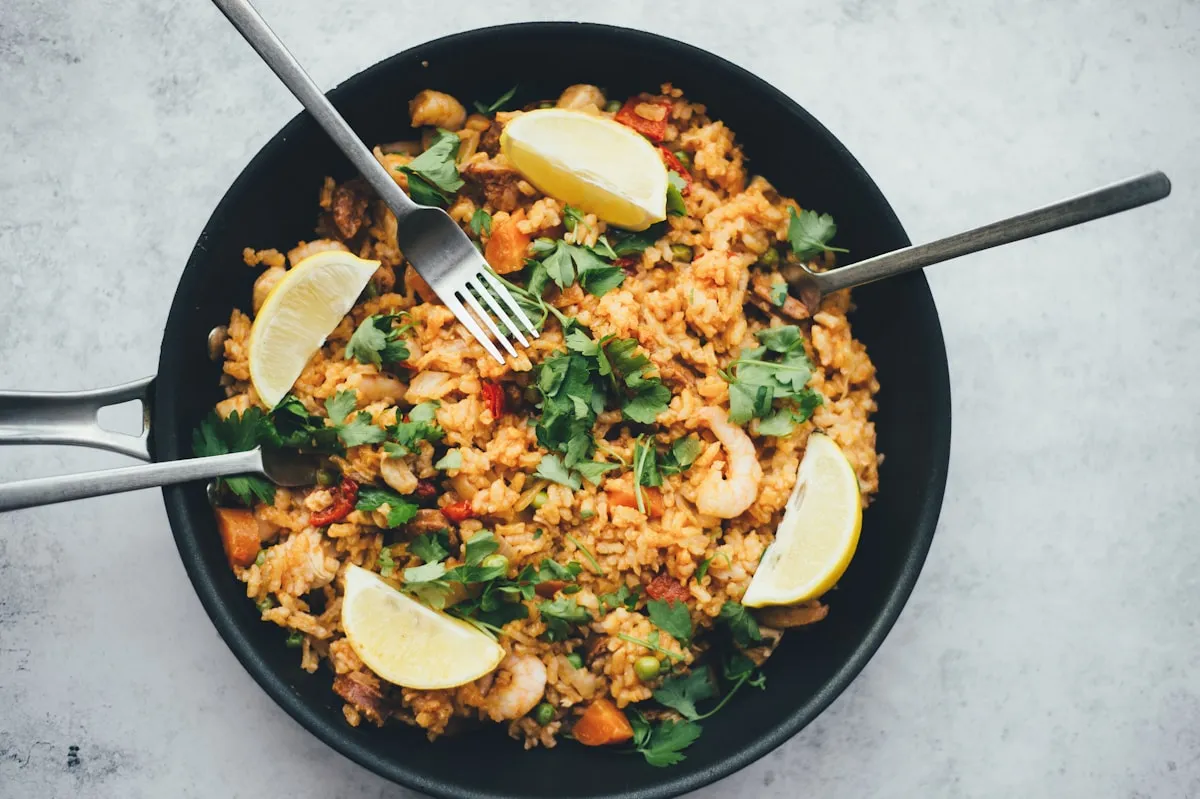
The biggest enemy of a great flatbread is the dreaded "soggy bottom." When you deal with fresh tomatoes and mozzarella, you’re essentially dealing with water balloons. If you don't manage that moisture, the starch in your flatbread will absorb it, turning your dinner into a gummy, leathery mess. To avoid this, you must understand the principle of evaporation.
First, address your toppings. If you are using fresh mozzarella or juicy tomatoes, slice them early. Place the slices on a layer of paper towels and let them sit for at least ten minutes. Pat the tops dry right before they hit the bread. This physical removal of surface water is non-negotiable if you want a crisp result. You are effectively pre-drying the ingredients so the oven’s heat can focus on browning (the Maillard reaction) rather than boiling away excess liquid.
Next, create a moisture barrier. Before you even think about adding sauce, brush your flatbread with a thin layer of olive oil. In the world of budget friendly recipes, olive oil is your best friend. It doesn't just add flavor; it creates a hydrophobic (water-repelling) layer on the bread’s surface. This slows down the rate at which the tomato sauce can soak into the crumb. For an extra boost, pre-toast the plain flatbread in the oven for two or three minutes before adding any toppings. This "sets" the starch and makes the bread less absorbent.
Finally, consider the heat. Use a preheated baking sheet or, better yet, a pizza stone. When the bottom of the flatbread hits a screaming-hot surface, the moisture in the dough turns to steam instantly, pushing upward and creating those airy, crisp pockets we all crave. Keep your oven at a high temperature: usually around 425°F (220°C). A slow, low-temp bake will only result in a dry, tough crust. You want fast, intense heat to melt the cheese and crisp the edges before the bread has a chance to dry out completely.
Smart Swaps and Flavor Variations
One of the reasons I love budget friendly recipes is their inherent flexibility. If you don't have traditional flatbread, a piece of naan or even a sturdy sourdough slice works beautifully. The goal is to maintain the balance of acidity, fat, and salt.
If you want to lean into a more "main-course" feel, consider adding a protein. Prosciutto is classic, but a few crumbles of cooked Italian sausage can add a massive punch of umami for very little cost. For those looking for healthy dinner ideas, try swapping the standard flatbread for a cauliflower-based crust or a whole-wheat version. Just remember: high-moisture crusts require even more pre-toasting to stay structural.
For a sweet and savory twist, drizzle the finished flatbread with a balsamic reduction. You don't need to buy the expensive bottled stuff; simply simmer half a cup of cheap balsamic vinegar in a small pan until it coats the back of a spoon. This concentrated acidity cuts through the richness of the mozzarella perfectly. If you’re a fan of heat, a pinch of red pepper flakes or a drizzle of spicy honey can elevate the dish from "simple snack" to a gourmet experience. This approach is similar to how we handle flavor balance in our spicy tomato basil one-pot linguine, where the goal is maximum impact with minimal fuss.
Perfect Side Dish Pairings
While this flatbread is satisfying on its own, a simple side dish can turn it into a complete, balanced meal. The key is to provide a contrast to the warm, cheesy bread. A bright, peppery arugula salad is my go-to choice. Toss the arugula with a bit of lemon juice, olive oil, and a pinch of salt. The bitterness of the greens acts as a palate cleanser, making every bite of the flatbread taste as good as the first.
If you have a few extra minutes, roasted vegetables are another excellent companion. Since your oven is already hot, throw a tray of broccoli or asparagus in alongside the flatbread. The charred, nutty notes of roasted greens complement the sweetness of the baked tomatoes. For those who prefer a more hearty meal, a small bowl of white bean soup provides a protein-rich base that keeps things within the realm of budget friendly recipes. Keeping the sides simple ensures you aren't spending more time on the accompaniment than the main event.
Frequently Asked Questions
Why did my basil turn black and bitter?
Basil is incredibly delicate. Its green color comes from chlorophyll, which breaks down rapidly under high heat. More importantly, its flavor comes from volatile oils that evaporate almost instantly in the oven. If you bake the basil, you lose the aroma and end up with charred, bitter leaves. Always add your fresh basil after the flatbread comes out of the oven. The residual heat from the cheese will be enough to "wake up" the oils without destroying the leaf.
Can I use frozen dough instead of pre-made flatbread?
You can, but it changes the timeline. Frozen dough needs to be thawed and then stretched, which pushes you past the 15-minute mark. If you do use raw dough, ensure you par-bake it (bake it halfway) before adding your toppings. Raw dough releases a lot of steam, and if you top it too early, you’ll end up with a soggy center.
How do I prevent the cheese from becoming oily?
Oily cheese usually happens when you use low-quality, pre-shredded mozzarella that contains cellulose (an anti-caking agent). This prevents the cheese from melting into a cohesive layer, often causing the fat to separate. Buy a block of low-moisture mozzarella and grate it yourself. It melts better, tastes better, and is often cheaper: a win for quick family meals.
Is it possible to make this in an air fryer?
Absolutely. If your flatbread fits in the basket, the air fryer is actually superior for crisping the bottom. Treat it like a miniature convection oven. Set it to 400°F and check it after 5 minutes. The high-velocity air does a fantastic job of evaporating moisture, which is a trick we often use in our comfort food cheat codes.
My tomatoes made the bread wet even though I dried them. What now?
If your tomatoes are exceptionally watery (like some beefsteak varieties), try removing the seeds and the "jelly" inside before slicing. This is where the majority of the water lives. Using Roma or plum tomatoes is generally a safer bet for flatbreads because they have a higher flesh-to-seed ratio.
{“@type”:”BlogPosting”,”image”:”https://cdn.marblism.com/6wy4Zj-HiPS.webp”,”author”:{“name”:”Cookpedia”,”@type”:”Organization”},”@context”:”https://schema.org”,”headline”:”Simple 15-Minute Margherita Flatbread”,”publisher”:{“logo”:{“url”:”https://cookpedia.com/logo.png”,”@type”:”ImageObject”},”name”:”Cookpedia”,”@type”:”Organization”},”description”:”Learn how to make a crisp, flavorful Margherita flatbread in just 15 minutes. This budget-friendly recipe focuses on moisture control and simple kitchen science for the perfect result.”,”datePublished”:”2026-06-08″}