Recipe
Servings
Servings 1×
Ingredients
- Chicken
- Salmon
- Steak
- Quinoa
- Pasta
- Kale
- Corn
- Avocado
- Lemon
- Honey
- Cream
- Feta
- Blue cheese
- Cooking oil
- Chili seasoning
Method
- Use a high-quality oil with a high smoke point before the fruit hits the heat.
- Brush the cut side of the peach lightly, don't drench it.
- Use a clean grill brush to scrub the grates; any leftover bits from last night’s steak will ruin the clean, floral profile of the peach.
- Place the peaches cut-side down and leave them alone.
- Add a crunch factor with toasted nuts.
There is a very specific moment in mid-summer when the air gets heavy, the cicadas start their rhythmic buzzing, and the thought of standing over a boiling pot of pasta feels like a personal affront. This is when I lean into the glory of the grill. I’m not just talking about burgers or corn; I’m talking about taking the crown jewel of the season, the peach, and giving it a little tough love over the flames. This grilled peach salad with mint and feta is one of those quick healthy meals that feels like a cheat code for high-end dining. It’s sweet, salty, smoky, and hits every single sensory note you didn't know you were missing.
The Science of the Sear: Why Heat Matters
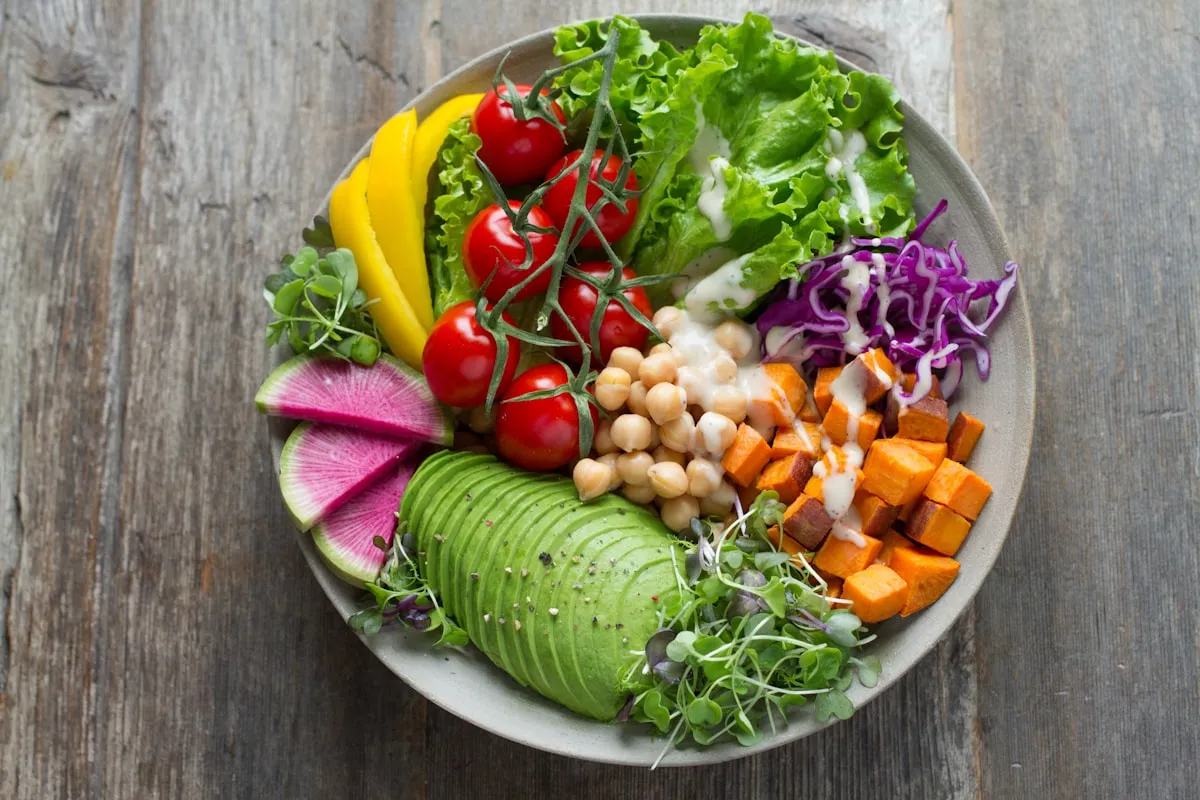
When you throw a peach onto a hot grate, you aren't just warming it up; you are performing a delicious piece of chemistry. Most people talk about the Maillard reaction when they discuss grilling, but with fruit, the star of the show is actually caramelization. Because peaches are packed with fructose and sucrose but relatively low in protein, the browning you see is primarily the breakdown of sugars. This process transforms the bright, acidic sweetness of a raw peach into something deeper, nuttier, and infinitely more complex.
Use a high-quality oil with a high smoke point before the fruit hits the heat. Avoid extra virgin olive oil for the actual grilling phase; its low smoke point can leave a bitter residue on your beautiful fruit. Instead, opt for a neutral oil or a light avocado oil. Brush the cut side of the peach lightly, don't drench it. You want just enough to conduct heat and prevent the delicate flesh from tearing when you try to flip it.
Check your peach ripeness with military precision. Look for fruit that is "ripe but firm." If the peach is too soft, the internal structure will collapse the moment the heat hits the pectin, leaving you with a literal hot mess on your grill grates. If it’s too hard, the sugars won't be developed enough to caramelize properly, and you’ll end up with a warm, crunchy rock. Aim for a peach that gives just a tiny bit when pressed near the stem.
Preheat your grill to medium-high and let it get screaming hot before you even think about placing the fruit down. Use a clean grill brush to scrub the grates; any leftover bits from last night’s steak will ruin the clean, floral profile of the peach. Place the peaches cut-side down and leave them alone. Avoid the urge to peek or move them for at least three minutes. You need that uninterrupted contact to build those iconic, charred grill marks that provide the smoky contrast to the salty feta.
Flavor Elevations and Creative Swaps
Once you’ve mastered the base of this salad, you can start playing with the architecture of the flavors. While the combination of mint and feta is classic, it’s really just a framework for balancing sweetness, acidity, and fat. If you find yourself needing quick family meals that please a crowd, consider expanding the textures.
Swap the feta for a ball of creamy burrata if you want to dial up the indulgence. The lactic acid in the cheese is essential because it cuts through the concentrated sugar of the grilled peach. If you want a more "grown-up" funk, a high-quality goat cheese or even a light blue cheese like Gorgonzola Dolce works beautifully. The goal is to find a cheese that offers a sharp, salty counterpoint to the fruit's honey-like notes.
Experiment with your greens to change the salad’s personality. Arugula is my go-to because its natural pepperiness acts like a built-in seasoning, but baby kale or even a mix of bitter frisée can stand up well to the heavy peaches. If you’re looking to turn this into a more substantial bowl, toss in some cooked farro or quinoa. The grains soak up the peach juices and the light dressing, making it a complete meal that doesn't leave you searching the pantry for snacks an hour later.
Add a crunch factor with toasted nuts. Marcona almonds or glazed pecans provide a textural break from the soft fruit and creamy cheese. If you’re feeling bold, a drizzle of hot honey or a sprinkle of chili flakes can introduce a "swicy" (sweet and spicy) element that is very on-trend for 2026. This balance of heat and sweet is exactly what elevates a simple salad into a memorable dining experience.
Perfect Pairings for a Summer Spread
This salad is a powerhouse on its own, but it truly shines when paired with the right supporting cast. Because the peaches bring so much sweetness and smoke, you want a main dish that is relatively lean and savory. Grilled chicken skewers seasoned simply with lemon and oregano are a natural fit, as the acidity in the chicken mirrors the brightness of the mint.
If you’re looking to keep the kitchen cool, you can actually prep your main protein elsewhere. I often suggest looking into air fryer recipes dinner enthusiasts swear by, like a quick herb-crusted salmon or even some crispy kielbasa. The air fryer provides a crispy texture that complements the softness of the grilled fruit without adding more heat to your house.
For a vegetarian feast, serve this salad alongside a glossy one-pot pasta or even an air fryer vegetable medley. The key is to avoid anything too heavy or cream-based; you want to keep the palate feeling light and refreshed. A crisp, chilled glass of Rosé or a dry Sauvignon Blanc will tie the whole meal together, echoing the floral notes of the peaches and the herbal lift of the mint.
Frequently Asked Questions
Why did my peaches stick to the grill?
This usually happens for one of two reasons: the grill wasn't hot enough or the peaches were too wet. When the grill is properly preheated, the fruit undergoes an immediate sear that releases it from the metal. If the grill is lukewarm, the sugars will simply melt and act like glue. Also, always pat your peaches dry with a paper towel before oiling them. Moisture is the enemy of a good sear; it creates steam, which prevents browning and causes sticking.
Can I make this salad ahead of time?
You can grill the peaches up to a few hours in advance, but do not assemble the salad until you are ready to eat. The salt in the feta and the acid in the dressing will cause the mint to wilt and the peaches to release their juices, turning your beautiful salad into a soggy mess. Store the grilled peaches at room temperature rather than in the fridge if you're eating them the same day; refrigeration can dull the flavor and change the texture of the fruit.
My peaches aren't in season; can I use frozen or canned?
In short: no. Frozen and canned peaches have already had their cellular structure compromised. Frozen peaches will turn to mush the moment they hit the heat, and canned peaches are usually sitting in a syrup that will burn instantly before any real caramelization occurs. If peaches aren't in season, try this same technique with plums or even thick slices of pineapple.
Do I have to peel the peaches?
Absolutely not. In fact, you shouldn't. The skin provides the structural integrity that keeps the peach wedge from falling apart on the grill. Plus, once grilled, the skin becomes slightly charred and adds a wonderful rustic texture and earthy flavor that balances the sweet interior. Just make sure to wash them thoroughly to remove the fuzz.
What is the best way to cut the mint without it turning black?
Use a very sharp knife and avoid "sawing" at the leaves. If you bruise the mint, the enzymes react with oxygen and turn the leaves brown almost instantly. The best technique is a "chiffonade": stack the leaves, roll them like a cigar, and slice through them once. Add the mint at the very last second before serving to ensure it stays bright green and aromatic.
{“@type”:”BlogPosting”,”image”:”https://cdn.marblism.com/GkWtKTEWtEM.webp”,”author”:{“name”:”Cookpedia”,”@type”:”Organization”},”@context”:”https://schema.org”,”headline”:”Simple Grilled Peach Salad with Mint & Feta”,”keywords”:”quick healthy meals, grilled peach salad, summer recipes, healthy dinner ideas”,”publisher”:{“logo”:{“url”:”https://cookpedia.com/logo.png”,”@type”:”ImageObject”},”name”:”Cookpedia”,”@type”:”Organization”},”description”:”Learn the science behind grilling peaches to create a perfect summer salad with feta and mint. A quick healthy meal that balances sweet, salty, and smoky flavors.”,”datePublished”:”2026-06-08″,”articleSection”:”Recipes”,”mainEntityOfPage”:{“@id”:”https://cookpedia.com/simple-grilled-peach-salad-with-mint-feta”,”@type”:”WebPage”}}