Recipe
Servings
Servings 1×
Ingredients
- Pasta
- Kale
- Tomatoes
- Balsamic vinegar
- Coconut milk
- Cream
- Chili seasoning
- Black pepper
Method
- Prepare the ingredients described in the article and heat the cooking surface or oven as directed.
- Cook the main ingredients using the heat and timing guidance in the article.
- Finish with the seasonings and garnishes named in the article, then serve.
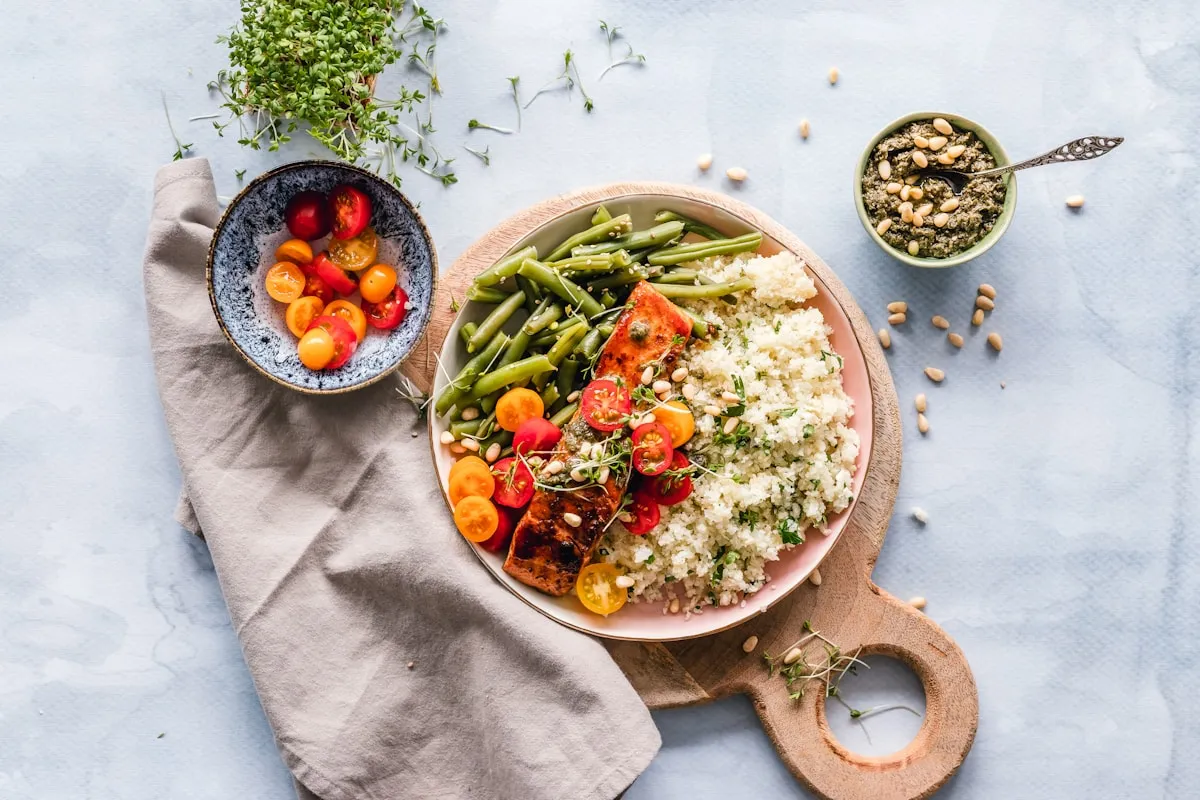
There is something inherently healing about a bowl of soup that’s thick enough to coat a spoon but light enough that you don't feel like you need a nap afterward. This tomato and roasted red pepper soup is my go-to when the weather turns grey or when I’ve had a day that’s been a little too "people-y." It’s a comfort food classic that manages to be both indulgent and virtuous, which is a rare feat in the culinary world. If you’re looking for healthy dinner ideas that don't involve a pile of steamed kale, you’ve found the holy grail.
I’m talking about a soup that doesn't rely on heavy cream for its texture, but rather on the alchemy of roasting and high-speed blending. The sweetness of the peppers cuts through the natural acidity of the tomatoes, creating a balance that’s so much more sophisticated than anything you’ll find in a tin. Let’s dive into why roasting is non-negotiable and how you can master this silky-smooth staple in your own kitchen.
The Science of the Char: Why We Roast
You might be tempted to just throw everything into a pot and boil it. Don’t. Boiling is for tea and pasta; roasting is for flavor. When you subject tomatoes and red peppers to high, dry heat, you’re initiating the Maillard reaction. This isn't just a fancy French term to impress your friends; it’s a chemical dance between amino acids and reducing sugars that creates hundreds of new flavor compounds. These compounds are savory, complex, and slightly smoky, notes that you simply cannot achieve through boiling, which caps your temperature at 212°F (100°C).
Roasting allows the surface of your vegetables to reach temperatures upwards of 300°F (150°C). This evaporates the water content, concentrating the sugars and intensifying the "tomato-ness" of your soup. For the peppers, that high heat blisters the skin and transforms the flesh from crisp and vegetal to soft and candy-sweet. If you're short on time, utilizing an air fryer is one of my favorite air fryer recipes dinner hacks. It circulates hot air so efficiently that you can get a perfect char in about half the time of a conventional oven.
Balancing the pH Scale
Tomatoes are naturally acidic, and depending on the variety and time of year, that acidity can sometimes be a bit aggressive. You have two primary ways to fix this, and the choice depends on your flavor goals.
First, consider the "Perception Shift." This is where you add a tiny bit of sugar. Sugar doesn't actually change the pH level of the soup, but it tricks your taste buds into noticing the acid less. It’s a classic culinary sleight of hand. Second, there’s the "Chemical Neutralizer." Adding a tiny pinch of baking soda, I’m talking a quarter-teaspoon, actually reacts with the acid, creating a brief fizz and physically raising the pH. While this is effective, be warned: it can sometimes mute the vibrant, "bright" notes of the tomato. I usually prefer the roasting method, as the natural caramelization of the peppers provides enough sweetness to balance the scales without messing with the chemistry too much.
Emulsification and Texture
The secret to that velvety mouthfeel isn't always fat; it’s emulsification. When you blend your roasted vegetables at high speed, you are breaking down the cellular structure and suspending tiny particles of solids in the liquid. This creates a stable emulsion that feels rich on the tongue. Avoid using a handheld immersion blender if you want that professional, "glassy" finish. A high-powered upright blender is the tool for the job.
Flavor Variations to Keep Things Fresh
One of the reasons this is one of my top quick family meals is its versatility. Once you have the base of tomatoes and peppers down, you can pivot in several directions depending on what's in your pantry.
- The Mediterranean Twist: Toss in a handful of fresh basil and a splash of balsamic glaze right before blending. The acidity of the vinegar heightens the sweetness of the peppers.
- The Spicy Kick: Add a whole jalapeño or a teaspoon of red chili flakes to the roasting tray. The heat is tempered by the creaminess of the soup but leaves a lingering warmth.
- The Creamy Vegan: If you want it even richer, blend in half a cup of raw cashews (soaked in water first) or a splash of full-fat coconut milk. It gives the soup a luxurious body without the need for dairy.
- The Smoky Depth: Add a teaspoon of smoked paprika or a chipotle pepper in adobo sauce. This leans into the roasted flavor of the peppers and makes the whole thing feel like it was cooked over a campfire.
Side Dish Pairings for the Perfect Crunch
A bowl of soup without a side is like a movie without popcorn, fine, but you’re definitely missing something. Because this soup is smooth and slightly acidic, you want side dishes that offer texture and fat for balance.
- The Ultimate Grilled Cheese: This is the gold standard for a reason. The sharp saltiness of a good cheddar or gruyere cuts through the sweetness of the roasted peppers. Use a thick-cut sourdough and ensure your crust is golden-brown for that essential crunch.
- Garlic Herb Croutons: If you’re keeping it lighter, toss some cubed day-old bread in olive oil, garlic powder, and dried oregano, then bake until shattered-glass crispy. Drop them in at the very last second so they don't get soggy.
- A Bright Arugula Salad: A simple salad with a sharp lemon vinaigrette provides a fresh, peppery contrast to the warm, cooked flavors of the soup. It’s a great way to round out the meal and keep it in the "healthy" category.
- Cheesy Herb Scones: For a more substantial pairing, a savory scone with chives and parmesan is perfect for dipping.
Frequently Asked Questions
Why is my soup still a bit bitter?
Bitterness usually comes from one of two things: charred tomato skins or under-ripe produce. While charred pepper skins are delicious, charred tomato skins can sometimes turn acrid. If you find your soup has a bitter edge, try peeling the tomatoes after roasting (they should slip right off) or add a tiny bit more sugar to mask the bitterness. Also, ensure you’ve removed the green "core" of the tomatoes before roasting.
Do I really need to peel the peppers?
Technically, no, but your texture will suffer. The skins of bell peppers don't break down fully in a blender, leaving behind little "scales" that can be annoying. After roasting, place the hot peppers in a bowl and cover it with plastic wrap for 10 minutes. The steam will loosen the skins, making them incredibly easy to peel away. If you’re in a rush and using a high-powered blender, you can get away with leaving them on, but for that 5-star restaurant finish, peel them.
Can I use canned tomatoes instead of fresh?
Absolutely. In fact, during the winter months, canned San Marzano tomatoes are often better than the "fresh" ones at the supermarket. Just drain off some of the juice, toss them in a bit of olive oil, and roast them on a sheet pan just as you would with fresh ones. They won't need as long in the oven, but you still want to see those slightly browned edges before they go into the blender.
How long will this keep in the fridge?
This soup is a meal-prep dream. It will stay fresh in an airtight container for up to 5 days. Even better, it freezes beautifully. Because there is no dairy in the base, you don't have to worry about it separating or becoming grainy when thawed. Just reheat it gently on the stove and give it a quick whisk to bring the emulsion back together.
Is this soup actually "healthy"?
Yes! It’s packed with Vitamin C from the peppers and Lycopene from the cooked tomatoes. By roasting rather than frying your aromatics, you're keeping the added fats to a minimum. It’s a nutrient-dense option that fits perfectly into any Cookpedia inspired meal plan. Use it as a base for more complex dishes or enjoy it on its own for a light, satisfying dinner.