Recipe
Servings
Servings 1×
Ingredients
- Chicken
- Salmon
- Chickpeas
- Pasta
- Noodles
- Broccoli
- Peas
- Lemon
- Balsamic vinegar
- Cream
- Hard cheese
- Cooking oil
Method
- Use a heavy-bottomed skillet and get it shimmering hot before the chicken touches it.
- Pat your chicken bone-dry with paper towels: moisture is the enemy of a good sear.
- Add half of your lemon juice during the deglazing phase to build a base layer of flavor, but save a fresh squeeze for the very end.
There is something almost therapeutic about the scent of lemon and fresh herbs wafting through a kitchen. It’s the ultimate reset button for a long day. If you are looking for quick family meals that don't taste like they came out of a cardboard box, this lemon herb chicken pasta is your new best friend. It’s bright, it’s zesty, and it hits that sweet spot between "I’m a culinary genius" and "I just threw this together in twenty minutes."
We’re moving past the heavy, cream-laden sauces that leave you feeling like you need a nap. Instead, we’re focusing on vibrant flavors and healthy dinner ideas that keep things light but deeply satisfying. Grab your tongs and let’s get into the science of why this simple dish works so well.
The Science of the Sear and the Sauce
To make a truly great pasta, you have to respect the chemistry happening in your pan. Most people treat pasta sauce as an afterthought, but in my blog, the sauce is the star. The secret to that professional-grade silkiness isn't heavy cream; it's physics.
Mastering the Maillard Reaction
First, let’s talk about the chicken. Don’t you dare just boil it or toss it in the pan with a bunch of liquid right away. You need the Maillard reaction. This is the chemical reaction between amino acids and reducing sugars that gives browned food its distinctive flavor.
Use a heavy-bottomed skillet and get it shimmering hot before the chicken touches it. Pat your chicken bone-dry with paper towels: moisture is the enemy of a good sear. If the chicken is wet, it will steam rather than sear, and you’ll lose out on those complex, savory notes. Avoid overcrowding the pan; if the pieces are too close, they’ll drop the pan temperature and release juices, boiling the meat in its own water. Leave it alone until it releases easily from the pan with a golden-brown crust.
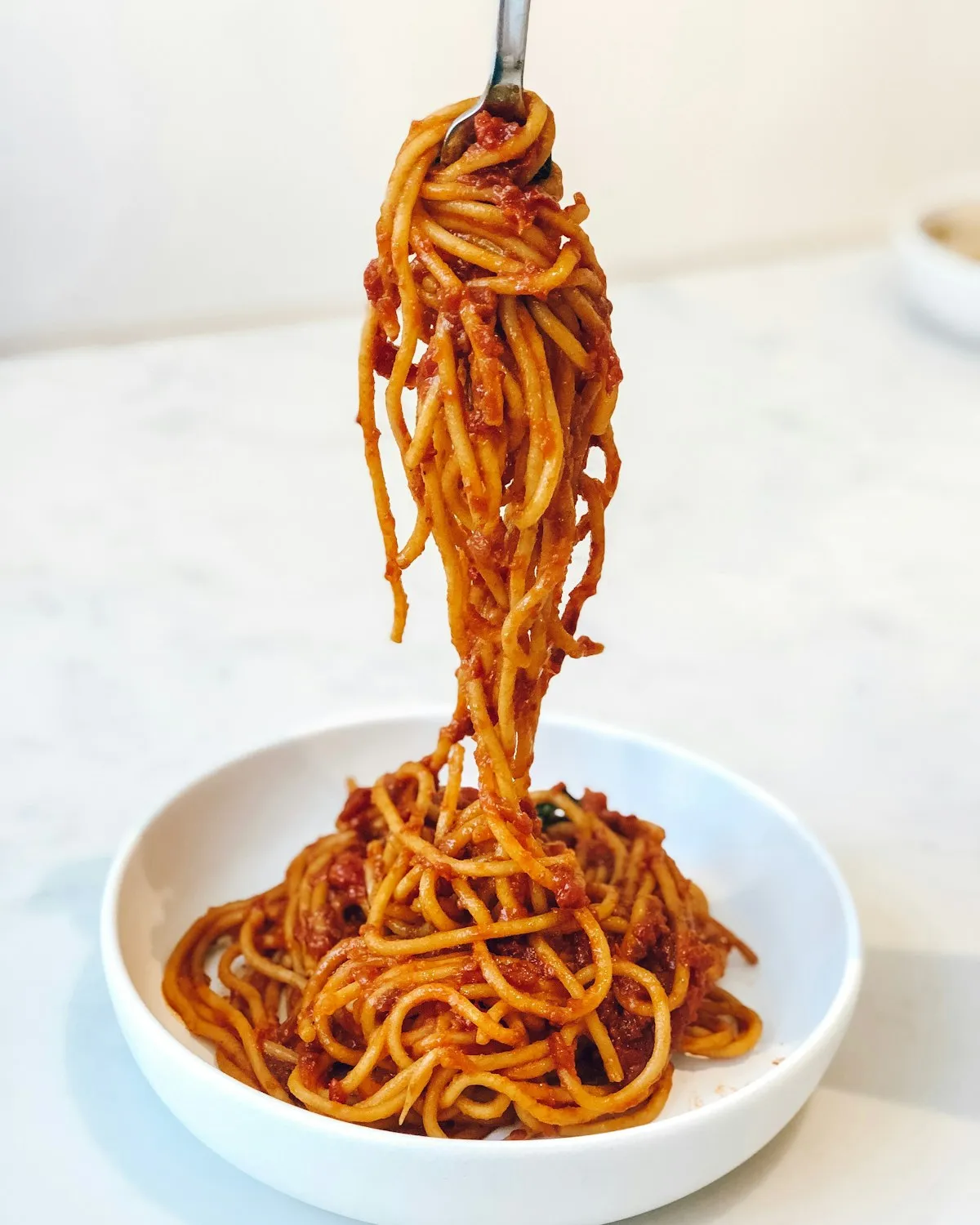
Liquid Gold: The Magic of Emulsification
Once your chicken is resting, you’re left with "fond": those brown bits stuck to the bottom of the pan. That is pure flavor. To turn that into a sauce that actually clings to your noodles, you need to understand emulsification.
An emulsion is a uniform mixture of two liquids that usually don't mix, like oil and water. Your pasta water is "liquid gold" because it’s packed with starch. When you toss your slightly undercooked pasta into the pan with a splash of that starchy water and your lemon-oil base, the starch acts as a bridge. It binds the fat and the liquid together into a glossy, cohesive sauce. Check the texture as you toss; if it looks oily, add more water. If it’s too thin, keep tossing over heat until it tightens up. This is a technique we also explore in our Spicy Tomato Basil One-Pot Linguine guide.
Timing Your Aromatics
Acid and heat have a complicated relationship. Add half of your lemon juice during the deglazing phase to build a base layer of flavor, but save a fresh squeeze for the very end. High heat can dull the "top notes" of citrus. The same goes for herbs. Hard herbs like rosemary or thyme can handle the sear, but delicate herbs like parsley or basil should only hit the pan in the final thirty seconds. This keeps them vibrant and prevents that "cooked-out" muddy taste.
Flavor Variations to Try
While the classic lemon-herb combo is hard to beat, you can easily pivot based on what’s in your fridge. If you’re leaning into healthy dinner ideas, try swapping the traditional pasta for a high-protein chickpea variety or whole wheat strands. The starch content is different, so you may need an extra splash of water to get that emulsion just right.
For a different texture, try roasting your chicken in the air fryer. If you're searching for air fryer recipes dinner enthusiasts love, simply season the chicken with the same herb profile and air fry at 400°F until crispy. You can then slice it and toss it into the pasta at the end. This keeps the chicken skin extra crispy while the pasta stays silky.
If you want to move away from poultry, seared salmon or even roasted chickpeas make excellent substitutes. For a seafood vibe similar to what we do with our salmon-pasta-bowl, use dill instead of parsley and add a handful of frozen peas for a pop of sweetness that balances the lemon's acidity.
Perfect Side Dish Pairings
A dish this bright needs a side that offers a bit of contrast. Since the pasta is rich with olive oil and starch, pair it with something bitter or crunchy to cleanse the palate.
- Arugula Salad: A simple bed of arugula with a shaving of Parmesan and a very light balsamic vinaigrette provides a peppery bite that cuts right through the lemon sauce.
- Charred Broccolini: Toss some broccolini in the same pan you used for the chicken. The slight bitterness of the charred florets complements the zesty pasta perfectly.
- Crusty Sourdough: You’ll want something to mop up every last drop of that emulsified lemon sauce. A thick slice of toasted sourdough is non-negotiable here.
If you’re hosting a bigger gathering, this dish fits perfectly into an abundant celebratory spread, acting as the light, refreshing counterpoint to heavier roasted meats or root vegetables.
Frequently Asked Questions
Why did my sauce turn out oily instead of creamy?
This usually happens because you didn't use enough pasta water or you didn't toss the pasta vigorously enough. The physical action of tossing creates the emulsion. If it’s oily, the fat has separated. Add two tablespoons of hot, starchy pasta water and whisk or toss like your life depends on it. The starch is the "glue" that holds the oil and lemon juice together.
Can I use bottled lemon juice?
Don't. Just don't. Bottled juice has preservatives and a muted, metallic flavor that will ruin the freshness of the dish. This recipe relies on the volatile oils found in the lemon zest and the bright acidity of fresh juice. If you don't have a fresh lemon, make something else.
Is it possible to make this ahead of time?
Pasta is always best served immediately, but if you're meal prepping for quick family meals, you can store the chicken and sauce separately. When reheating, the sauce will likely "break" (separate). To fix this, reheat it in a pan with a splash of fresh water or a tiny bit of stock to re-emulsify the fats.
My chicken is dry; what went wrong?
You likely overcooked it or didn't let it rest. Use a meat thermometer and pull the chicken out at 160°F; the carryover heat will bring it to the safe 165°F while it rests. Rest the meat for at least five minutes before slicing. If you cut it too soon, all those delicious juices will run out onto the cutting board instead of staying in the meat.
Can I use the air fryer for the whole meal?
While you can't boil pasta in an air fryer, you can certainly handle the protein and vegetable components there. For more ideas on one-basket solutions, check out our guide on air fryer sausage and pepper medleys. It’s a great way to save time on busy weeknights.
{“@type”:”BlogPosting”,”image”:”https://cdn.marblism.com/ZPjVCVXVjut.webp”,”author”:{“name”:”Penny”,”@type”:”Person”},”@context”:”https://schema.org”,”headline”:”Simple Lemon Herb Roasted Chicken Pasta”,”publisher”:{“logo”:{“url”:”https://cdn.marblism.com/KxroJ1kM_KA.webp”,”@type”:”ImageObject”},”name”:”Cookpedia”,”@type”:”Organization”},”description”:”Learn the science of emulsification and the Maillard reaction to create the perfect Simple Lemon Herb Roasted Chicken Pasta for quick family meals.”,”datePublished”:”2026-06-01″,”mainEntityOfPage”:{“@id”:”https://cookpedia.com/simple-lemon-herb-roasted-chicken-pasta”,”@type”:”WebPage”}}