Recipe
Servings
Servings 1×
Ingredients
- Pasta
- Noodles
- Tomatoes
- Garlic
- Butter
- Cooking oil
- Salt
Method
- Keep the heat at a medium-high; you want the skins to char slightly without the garlic turning bitter.
- Transfer it directly into the skillet with the bursting tomatoes.
- Add half a cup of that starchy water and start tossing vigorously.
There is a specific kind of magic that happens when you stop trying to overcomplicate your kitchen. I’ve spent years chasing the "perfect" meal, only to realize that the most soulful plates are usually the ones that take the least effort. This 15-minute cherry tomato and basil bucatini is exactly that: a minimalist masterpiece that relies on physics and high-quality basics rather than a long list of groceries. It is the king of simple pasta recipes, proving that you don’t need a culinary degree to create a restaurant-quality glossy sauce on a Tuesday night.
The Science of the Glossy Emulsion
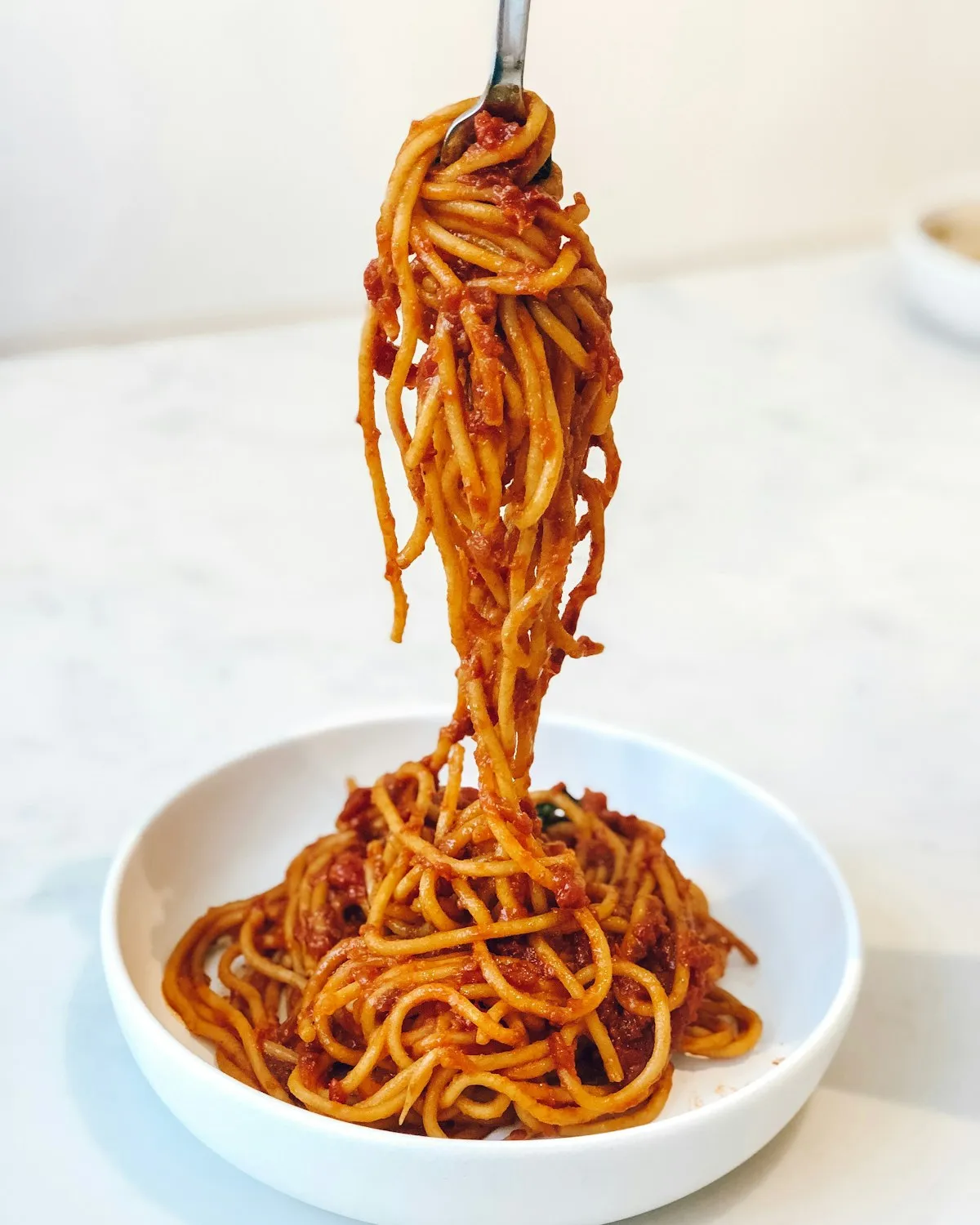
If you’ve ever wondered why restaurant pasta has that silky, clingy sauce while your home version looks like a puddle of oil at the bottom of the bowl, the secret isn't more butter. It’s emulsification. When we talk about budget friendly recipes, we often overlook the most valuable ingredient in your kitchen: the pasta water.
Why Bucatini?
First, let’s talk about the noodle. Bucatini is like spaghetti’s more interesting, hollower cousin. It’s a thick strand with a tiny hole running through the center. This "straw" effect is vital. As you toss the pasta in the pan, the sauce doesn't just coat the outside; it gets pulled into the center, ensuring every bite is a flavor explosion. The thicker gauge also offers a superior al dente bite that stands up to the acidity of the tomatoes.
The Blistering Process
The sauce begins with blistering. When you drop whole cherry tomatoes into hot olive oil with a pinch of salt, a process called osmosis begins. The salt draws the moisture out of the tomato skins, causing them to wrinkle, split, and eventually "burst." This releases their natural sugars and pectin into the oil. Keep the heat at a medium-high; you want the skins to char slightly without the garlic turning bitter. This charred skin adds a smoky depth that transforms a basic sauce into something soulful.
The Liquid Gold: Pasta Water
Never, under any circumstances, pour all your pasta water down the drain. This water is loaded with starch released from the flour as the noodles cook. Starch is a natural emulsifier. In scientific terms, oil and water don’t like to mix: they are hydrophobic and hydrophilic, respectively. However, the starch molecules act as a bridge, binding the fat (olive oil) and the liquid (tomato juice and water) into a stable, creamy suspension.
To achieve this, pull your bucatini out of the pot about two minutes before the package says it’s done. Transfer it directly into the skillet with the bursting tomatoes. Add half a cup of that starchy water and start tossing vigorously. The mechanical agitation, combined with the starch, creates that professional, glossy sheen. If the pan looks dry, add more water. If it looks like soup, keep tossing until the liquid reduces and clings to the pasta. This technique is a cornerstone of achieving the perfect glossy sauce without adding heavy creams or expensive cheeses.
Variations for Every Pantry
One of the best things about simple pasta recipes is their adaptability. Once you master the emulsification technique, you can swap ingredients based on what’s currently in your fridge or what fits your budget.
- The Spicy Kick: If you like heat, add a teaspoon of dried red pepper flakes to the garlic and oil before adding the tomatoes. The oil will "bloom" the spices, carrying the heat evenly throughout the entire dish.
- The Protein Boost: For a more substantial meal, toss in a can of drained and rinsed chickpeas or white beans during the last two minutes of cooking. They soak up the tomato juices beautifully and add a creamy texture that pairs well with the firm bucatini.
- The Nutty Crunch: If you have stale bread lying around, don't toss it. Pulse it into crumbs, toast them in a pan with a little oil and salt, and sprinkle them over the top. This "poor man’s parmesan" is a staple in budget friendly recipes because it provides a satisfying crunch without the price tag of aged cheese.
- The Herb Swap: No basil? No problem. Fresh parsley or even a bit of fresh oregano can work, though basil provides that classic sweetness that balances the acidity of the tomatoes.
Pairings for Balance
Cooking is all about balancing the five basic tastes. This pasta is heavy on acidity (tomatoes) and fat (olive oil). To make it a complete meal, you want to pair it with something that offers a different profile.
A crisp, bitter green salad is my go-to. Think arugula or radicchio with a very simple lemon-tahini dressing. The bitterness of the greens cuts through the richness of the emulsified sauce, refreshing your palate between bites. If you’re looking for something more comforting, a side of roasted vegetables from the air fryer can provide a caramelized sweetness. Check out our guide on air fryer vegetable medleys for inspiration.
The "What If" Cooking Guide (FAQ)
What if I don't have bucatini?
Don't panic. While the hollow center of bucatini is ideal, you can use spaghetti, linguine, or even rigatoni. The science of the emulsion remains the same. Just ensure you’re using a long or tubular pasta that can "hold" the sauce. Avoid tiny shapes like orzo for this specific technique, as they tend to get lost in the tomatoes.
Why is my sauce watery instead of glossy?
This usually happens for two reasons: not enough starch or not enough tossing. If your pasta water wasn't salty or starchy enough, the emulsion won't hold. Next time, use less water to boil your pasta; this concentrates the starch. Also, make sure you are tossing the pan or stirring vigorously. You need that mechanical energy to force the oil and water together.
Can I use canned tomatoes?
You can, but it changes the dish. Canned tomatoes are already broken down and will result in a more traditional, "saucy" red sauce. The soul of this dish lies in the "bursting" of fresh cherry tomatoes, which provides a contrast between the fresh, intact fruit and the liquid sauce. If you must use canned, choose whole peeled tomatoes and crush them by hand for a more rustic texture.
Is this actually a budget-friendly meal?
Absolutely. At its core, you are looking at pasta, garlic, oil, and tomatoes. These are pantry staples that cost very little per serving. To keep it even more affordable, buy your cherry tomatoes when they are on sale: even the slightly soft, overripe ones are perfect for this because they burst faster and have more concentrated sugars.
How do I stop my garlic from burning?
Garlic burns fast, and once it’s bitter, the whole dish is ruined. Add your garlic to cold oil and let them heat up together. This infuses the oil gently. As soon as the garlic turns a light golden tan, add the tomatoes. The moisture from the tomatoes will drop the temperature of the oil and stop the garlic from browning further.
Can I make this ahead of time?
Pasta is always best served fresh. However, if you have leftovers, the sauce will likely be absorbed by the noodles overnight. To reheat, add a tiny splash of water to the pan to loosen the emulsion back up. Avoid the microwave if possible; a quick toss in a skillet is the only way to bring that glossy finish back to life.
{“@type”:”BlogPosting”,”image”:”https://cdn.marblism.com/uCLaLVQFHhC.webp”,”author”:{“name”:”Penny”,”@type”:”Person”},”@context”:”https://schema.org”,”headline”:”Simple Pasta Recipes: 15-Minute Cherry Tomato & Basil Bucatini”,”publisher”:{“logo”:{“url”:”https://cookpedia.com/logo.png”,”@type”:”ImageObject”},”name”:”Cookpedia”,”@type”:”Organization”},”description”:”Master the art of the 15-minute cherry tomato and basil bucatini. Learn the science of pasta water emulsification for a glossy, restaurant-quality sauce at home.”,”datePublished”:”2026-06-08″,”mainEntityOfPage”:{“@id”:”https://cookpedia.com/simple-pasta-recipes-cherry-tomato-basil-bucatini”,”@type”:”WebPage”}}