Recipe
Servings
Servings 1×
Ingredients
- Pasta
- Noodles
- Zucchini
- Onion
- Pesto
- Cream
- Cooking oil
Method
- Let’s be honest: weeknights are chaotic, and the last thing you want is a sink full of dishes just to feed yourself.
- Spread them out across multiple pans if necessary.
- Cook your pasta strictly al dente so it retains a firm structural bite, allowing it to hold its own against the lush, creamy sauce without turning mushy.
Let’s be honest: weeknights are chaotic, and the last thing you want is a sink full of dishes just to feed yourself. If you are hunting for reliable simple pasta recipes that taste like they came from a trattoria rather than your frantic Tuesday night kitchen, you are in the right place. Today, we are diving into a vibrant, comforting bowl of creamy pesto pasta loaded with caramelized roasted vegetables. It is the ultimate antidote to mealtime fatigue.
Tips & Technique: The Science Behind Velvet Sauce and Caramelized Veg
If you want your pasta to transcend ordinary weeknight fare, you need to understand the physics and chemistry happening in your skillet and oven. Forget guesswork; let's talk about the exact science that turns basic pantry staples into a masterpiece.
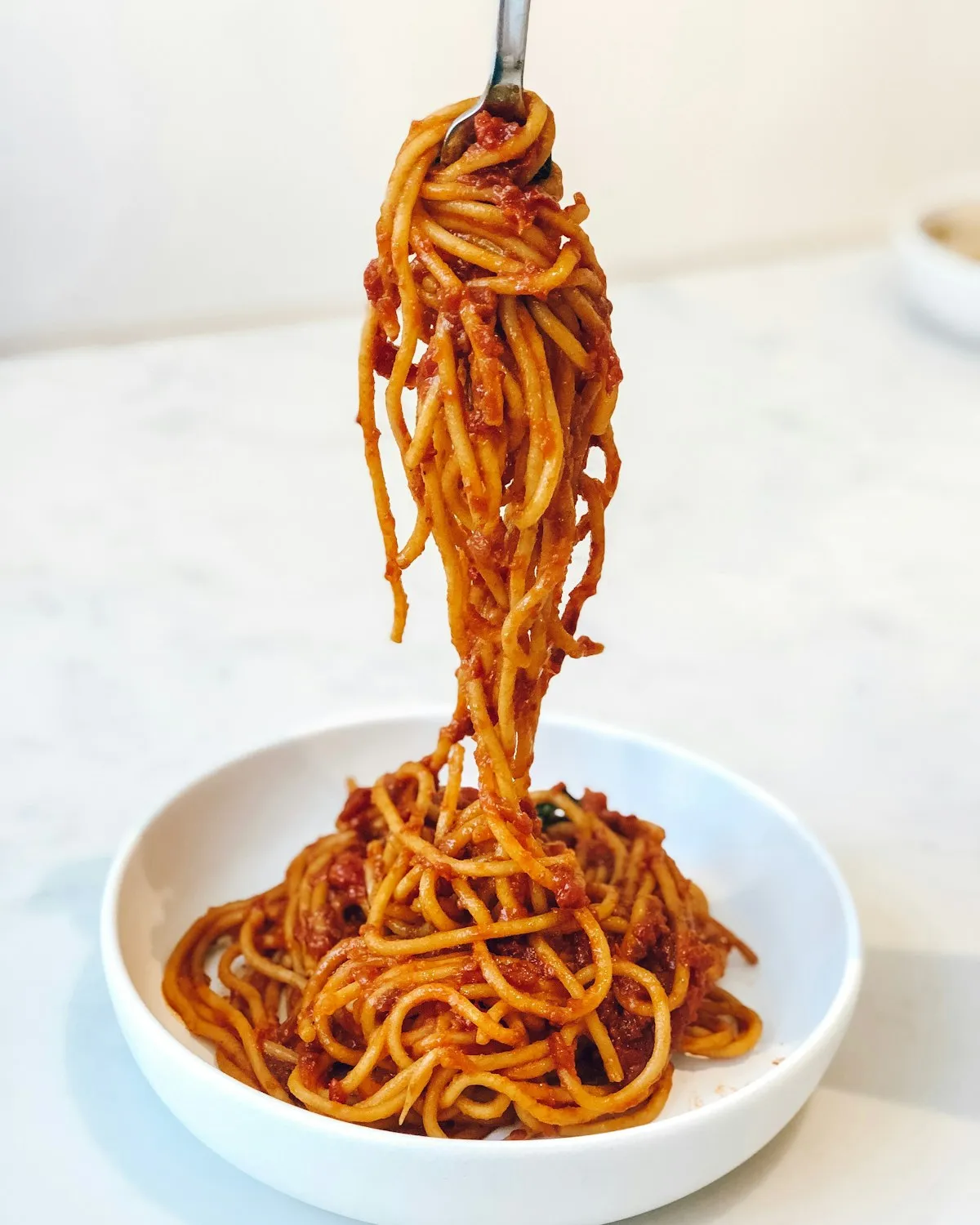
First, let's talk about the vegetables. When you blast chopped zucchini, bell peppers, and red onions in a hot oven at 400°F to 425°F, you are triggering Maillard browning and rapid surface evaporation. High heat evaporates the water trapped inside the plant cells, allowing sugars to caramelize and create deep, savory notes. Crucially, never crowd your baking sheets. If you pile vegetables sky-high, they release trapped moisture, steam themselves into sad sogginess, and miss out entirely on those glorious, charred edges. Spread them out across multiple pans if necessary.
Next is the magic of starchy pasta water. As your pasta boils in heavily salted water (which should taste remarkably like sea water to season the noodles from the inside out), it sheds starches into the liquid. Never dump this liquid down the drain! When you combine your hot pasta, pesto, and a splash of that cloudy pasta water, the starch molecules act as an emulsifier. They bind the fats in the olive oil, cheese, and pesto with the water, forcing them into a glossy, velvety emulsion instead of splitting into an oily mess.
Finally, mind your temperatures. When introducing cheese and cream into your pesto sauce, keep your heat gentle or stir them in off the direct burner. Excessive, aggressive heat denatures cheese proteins rapidly, separating the fats and leaving you with a grainy, separated sauce. Cook your pasta strictly al dente so it retains a firm structural bite, allowing it to hold its own against the lush, creamy sauce without turning mushy. Check out our collection of quick healthy meals for more weeknight inspiration.
Variations: Switch Up Your Creaminess and Veggie Mix
Variety keeps weeknight cooking exciting, and this dish is wonderfully adaptable to whatever lurks in your refrigerator crisper.
If you prefer a rich, classic restaurant-style sauce, combine heavy cream, a touch of butter, and your favorite basil pesto, gently simmering until velvety before melting in freshly grated Parmesan. Looking for something tangy? Crumble goat cheese directly into the hot pasta alongside your pesto and a splash of pasta water; the residual heat melts the cheese into a luscious, tart sauce without needing a separate saucepan.
For those seeking exceptional plant-based dinner ideas, swap dairy for a cashew cream base. Soak raw cashews in hot water, blend them with garlic and your pesto until completely smooth, and toss through your roasted vegetables. You can also experiment with different vegetables depending on the season: swap zucchini for roasted butternut squash in the autumn, or toss in tender broccoli florets and cherry tomatoes that burst and release their sweet juices when roasted.
Side Dish Pairings: Balancing Richness with Bright Acidity
Because creamy pesto pasta and roasted vegetables deliver rich fats and deep, savory herbal notes, your side dishes should provide a sharp, clean contrast to reset your palate between bites.
Toss together a crisp arugula and shaved fennel salad dressed simply with fresh lemon juice and good extra-virgin olive oil. The peppery bite of arugula and the bright citrus acidity cut right through the richness of the creamy pesto sauce. Alternatively, serve warm, crusty sourdough bread rubbed with garlic to mop up any lingering sauce at the bottom of your bowl. Keep beverages equally refreshing: a glass of sparkling water with a heavy squeeze of fresh lemon or a crisp, dry white wine works wonders.
Frequently Asked Questions
What if my pesto sauce turns grainy or separates?
Graininess usually happens when cheese or dairy is exposed to too much direct heat, causing the proteins to tighten and expel their fat. Always remove your pan from the heat before stirring in hard cheeses like Parmesan, and use a splash of reserved starchy pasta water to coax everything back into a smooth, homogenous emulsion.
Can I make this dish ahead of time?
While you can roast the vegetables and make or buy your pesto in advance, pasta is best tossed and served immediately. Cooked pasta absorbs moisture as it sits and tends to swell up and lose its delightful al dente texture. If you are meal prepping, store the roasted vegetables and cooked pasta separately, then combine and warm them gently on the stove with a splash of water or broth.
How do I prevent my roasted vegetables from becoming soggy?
Make sure your oven is fully preheated to high heat (400°F–425°F), cut your vegetables into uniform bite-sized pieces so they cook evenly, and never overcrowd your baking sheets. Allowing adequate space around each piece lets steam escape freely rather than trapping moisture around the vegetables.
What is the best type of pasta to use for creamy pesto sauces?
Short, ridged pasta shapes like penne, fusilli, rigatoni, or cavatappi are absolute champions here. Their hollow tubes and textured grooves act like tiny scoops, trapping the creamy pesto and roasted vegetable bits so every single forkful delivers maximum flavor.
{“@type”:”BlogPosting”,”author”:{“name”:”Cookpedia”,”@type”:”Person”},”@context”:”https://schema.org”,”headline”:”Simple Pasta Recipes: Creamy Pesto Pasta with Roasted Vegetables”,”publisher”:{“url”:”https://cookpedia.com”,”name”:”Cookpedia”,”@type”:”Organization”},”description”:”Discover how to make creamy pesto pasta with roasted vegetables using foolproof culinary techniques, kitchen science, and delicious flavor variations.”,”mainEntityOfPage”:{“@id”:”https://cookpedia.com/simple-pasta-recipes-creamy-pesto-pasta-with-roasted-vegetables”,”@type”:”WebPage”}}