Recipe
Servings
Servings 1×
Ingredients
- Shrimp
- Pasta
- Noodles
- Broccoli
- Zucchini
- Spinach
- Kale
- Garlic
- Lemon
- Balsamic vinegar
- Cream
- Butter
- Cooking oil
- Salt
- Black pepper
Method
- Use that water to build your sauce gradually.
- Let’s talk about the shrimp.
- Pat your shrimp bone-dry before they hit the pan.
- Sear the shrimp quickly over medium-high heat and remove them the second they turn opaque.
- Use medium-low heat when sautéing your minced cloves.
- Toss the stalks with a little olive oil and salt, then roast them until the tips are crispy.
If you have thirty minutes and a craving for something that tastes like a five-star Italian bistro but feels like a warm hug, you are in the right place. We have all been there: staring into the fridge at 6:00 PM, wondering if cereal counts as dinner. This garlic butter shrimp linguine is one of those simple pasta recipes that rescues you from takeout temptation. It is elegant, bright, and deeply satisfying without requiring a culinary degree or a mountain of dishes.
The Science of the Perfect Emulsion
The magic of this dish isn't just in the butter; it is in the chemistry. You want a sauce that clings to every strand of pasta like a silk glove, not a greasy puddle at the bottom of the bowl. This is achieved through emulsification. When you mix melted butter (fat) with starchy pasta water, you are forcing two things that usually hate each other to become best friends. The starch in the water acts as a bridge, holding the fat and liquid together in a glossy, creamy suspension.
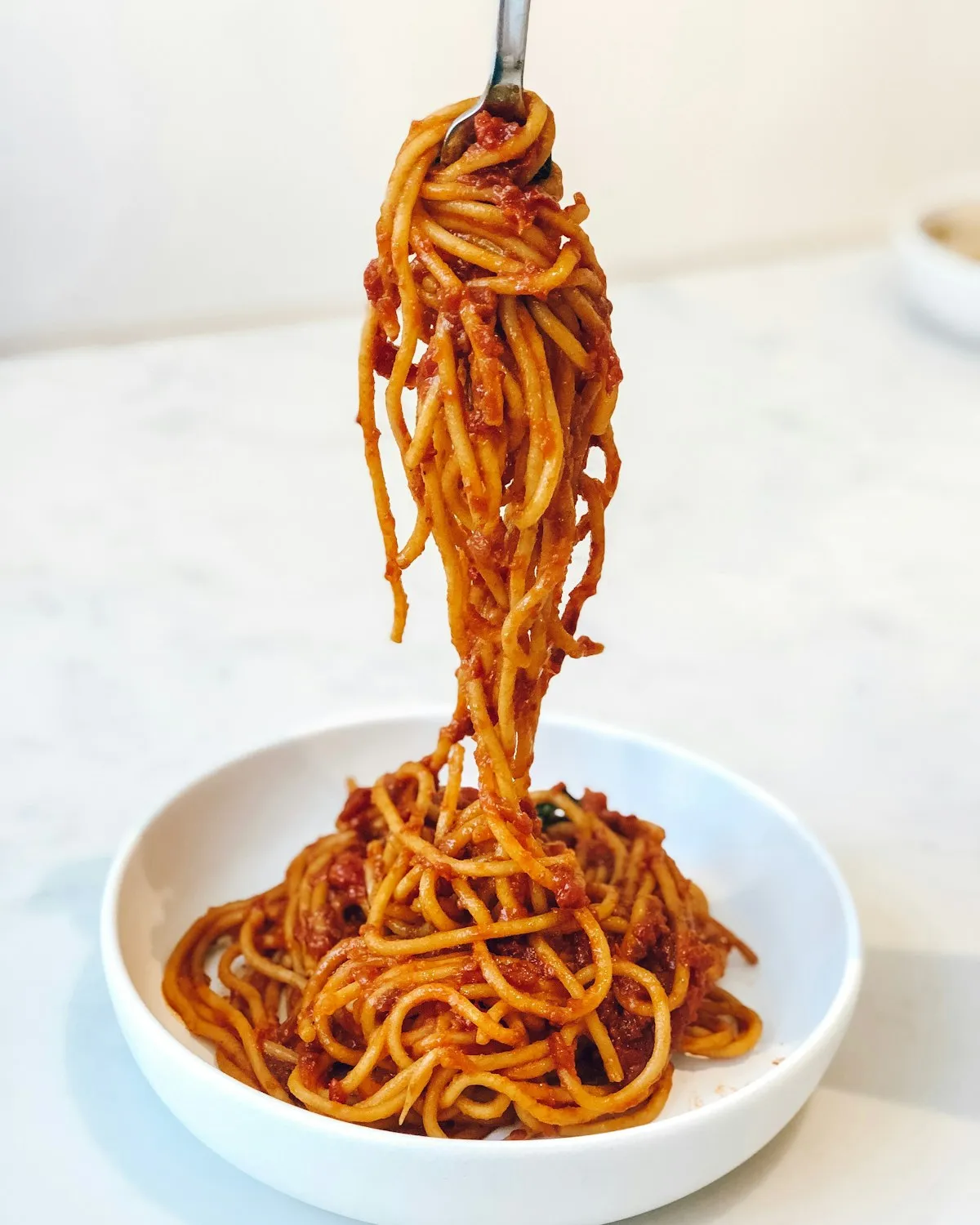
Always reserve at least a cup of that cloudy pasta water before you drain the noodles. Use that water to build your sauce gradually. If the sauce looks oily or broken, whisk in a teaspoon of cold water or a splash more pasta water and watch it come back to life. This technique is a game-changer for quick family meals that need to look professional.
Let’s talk about the shrimp. To get that perfect, snappy texture, use the Maillard reaction to your advantage. This is the chemical reaction between amino acids and reducing sugars that gives browned food its distinctive flavor. Pat your shrimp bone-dry before they hit the pan. If they are wet, they will steam instead of sear, and you will miss out on that gorgeous golden crust.
Sear the shrimp quickly over medium-high heat and remove them the second they turn opaque. Overcooked shrimp are basically rubber erasers, and nobody wants that for dinner. By removing them and adding them back at the very end, you ensure they stay succulent and tender.
Finally, keep an eye on your garlic. Garlic contains volatile sulfur compounds that turn bitter and acrid if scorched. Use medium-low heat when sautéing your minced cloves. You want them to turn fragrant and soft, translucent like little jewels, not brown or black. If your garlic burns, start over; there is no saving a sauce that tastes like burnt matches.
Fun Flavor Variations
While the lemon and garlic duo is a classic, you can easily pivot this dish to suit your mood. If you are a fan of heat, toss in a generous pinch of red pepper flakes when you sauté the garlic. The oil will carry that spicy capsaicin throughout the entire dish, giving you a slow, pleasant burn that balances the rich butter.
For those who want a heartier vibe, you can transform this into a creamy version by adding a splash of heavy cream or a dollop of mascarpone right before you toss in the pasta. This is a great way to bulk up your healthy dinner ideas when you want something a bit more indulgent but still centered around fresh seafood.
If you are trying to cut back on carbs, this sauce works beautifully with "zoodles" (zucchini noodles) or spaghetti squash. Since those vegetables release more water than pasta, skip the reserved pasta water and let the vegetable juices create the base of the sauce. You can also mix in some baby spinach or kale at the very end; the residual heat will wilt the greens perfectly without turning them into mush.
What to Serve on the Side
A rich, buttery pasta needs a side dish that can cut through the decadence with acidity or crunch. A simple arugula salad with a sharp balsamic vinaigrette is my go-to. The peppery bite of the arugula and the zing of the vinegar reset your palate between every forkful of linguine.
Charred broccolini is another fantastic partner. Toss the stalks with a little olive oil and salt, then roast them until the tips are crispy. The bitterness of the charred brassica complements the sweetness of the shrimp beautifully. If you are feeling extra, a crusty baguette is non-negotiable for soaking up any leftover garlic butter sauce. You didn't do all that work emulsifying just to let it go to waste!
Frequently Asked Questions
Why did my shrimp turn out tough and rubbery?
This almost always happens because of overcooking. Shrimp cook incredibly fast: usually in under three minutes. Once they form a "C" shape and lose their translucency, they are done. If they curl into a tight "O," they are overdone. Always remove them from the pan while you finish the sauce and add them back only at the very end to warm through.
Can I use frozen shrimp for this?
Absolutely. In fact, most "fresh" shrimp at the grocery store were previously frozen anyway. Just make sure to thaw them completely in the fridge overnight or under cold running water before cooking. Crucially, pat them very dry with paper towels. Frozen shrimp tend to hold more moisture, and excess water is the enemy of a good sear.
My sauce is watery and won't stick to the pasta. What happened?
You likely didn't use enough butter or didn't whisk in enough starchy pasta water. The starch is the "glue." If your sauce is thin, let it simmer for an extra minute to reduce slightly, or add a knob of cold butter and whisk vigorously. The cold butter helps stabilize the emulsion better than warm butter.
Is this recipe suitable for meal prep?
Pasta with seafood is generally best eaten fresh. Shrimp can get a bit funky when reheated in a microwave, and the butter sauce may break, leaving you with a greasy mess. However, if you must reheat it, do so gently on the stovetop with a tiny splash of water or milk to help the sauce come back together.
Can I use a different type of pasta?
Linguine is traditional because its flat surface area is perfect for carrying the butter sauce, but spaghetti or fettuccine work just as well. If you are looking for more air fryer recipes dinner inspiration, you could even air-fry some seasoned shrimp and toss them with the pasta later, though the stovetop method remains the king for building a proper sauce.
How do I get more lemon flavor without it being too sour?
Use the zest! The yellow skin of the lemon contains essential oils that provide a massive punch of citrus aroma without the sharp acidity of the juice. Grate the zest directly over the finished dish. Only add the juice at the very end to keep the flavors bright and fresh.
{“@type”:”FAQPage”,”@context”:”https://schema.org”,”mainEntity”:[{“name”:”Why did my shrimp turn out tough and rubbery?”,”@type”:”Question”,”acceptedAnswer”:{“text”:”This usually happens due to overcooking. Shrimp cook in under three minutes and should be removed from the pan as soon as they turn opaque and form a ‘C’ shape. If they curl into a tight ‘O’, they are overcooked.”,”@type”:”Answer”}},{“name”:”Can I use frozen shrimp for this?”,”@type”:”Question”,”acceptedAnswer”:{“text”:”Yes, but ensure they are completely thawed and patted dry with paper towels before cooking to prevent steaming instead of searing.”,”@type”:”Answer”}},{“name”:”My sauce is watery and won’t stick to the pasta. What happened?”,”@type”:”Question”,”acceptedAnswer”:{“text”:”You may have missed the starchy pasta water or didn’t emulsify the butter correctly. Whisk in a knob of cold butter or simmer the sauce slightly to thicken it using the pasta’s natural starches.”,”@type”:”Answer”}}]}