Recipe
Servings
Servings 1×
Ingredients
- Chickpeas
- Pasta
- Broccoli
- Tomatoes
- Garlic
- Lemon
- Cooking oil
- Black pepper
Method
- Let’s be honest: some nights, the thought of standing over a boiling pot for an hour feels like a Herculean task.
- Use a large rimmed sheet pan and give every tomato its own personal bubble.
- Add a tablespoon of capers and a handful of pitted kalamata olives to the sheet pan halfway through roasting.
Let’s be honest: some nights, the thought of standing over a boiling pot for an hour feels like a Herculean task. You want something that tastes like a summer afternoon in Tuscany but requires the effort of someone who just worked a nine-to-five. That is where roasted cherry tomato and garlic spaghetti enters the chat. It is the gold standard for simple pasta recipes because it relies on high-heat magic rather than labor-intensive stirring. By letting the oven do the heavy lifting, you transform humble ingredients into a silky, concentrated sauce that clings to every strand of pasta.
The Science of the Sheet Pan: Why Roasting Wins
The secret to this dish isn't a secret ingredient; it’s a series of chemical reactions you’re triggering in your oven. When you toss those cherry tomatoes onto a sheet pan and crank the heat to 400°F (200°C), you are doing much more than just warming them up. You are initiating a two-pronged attack on flavor: evaporation and caramelization.
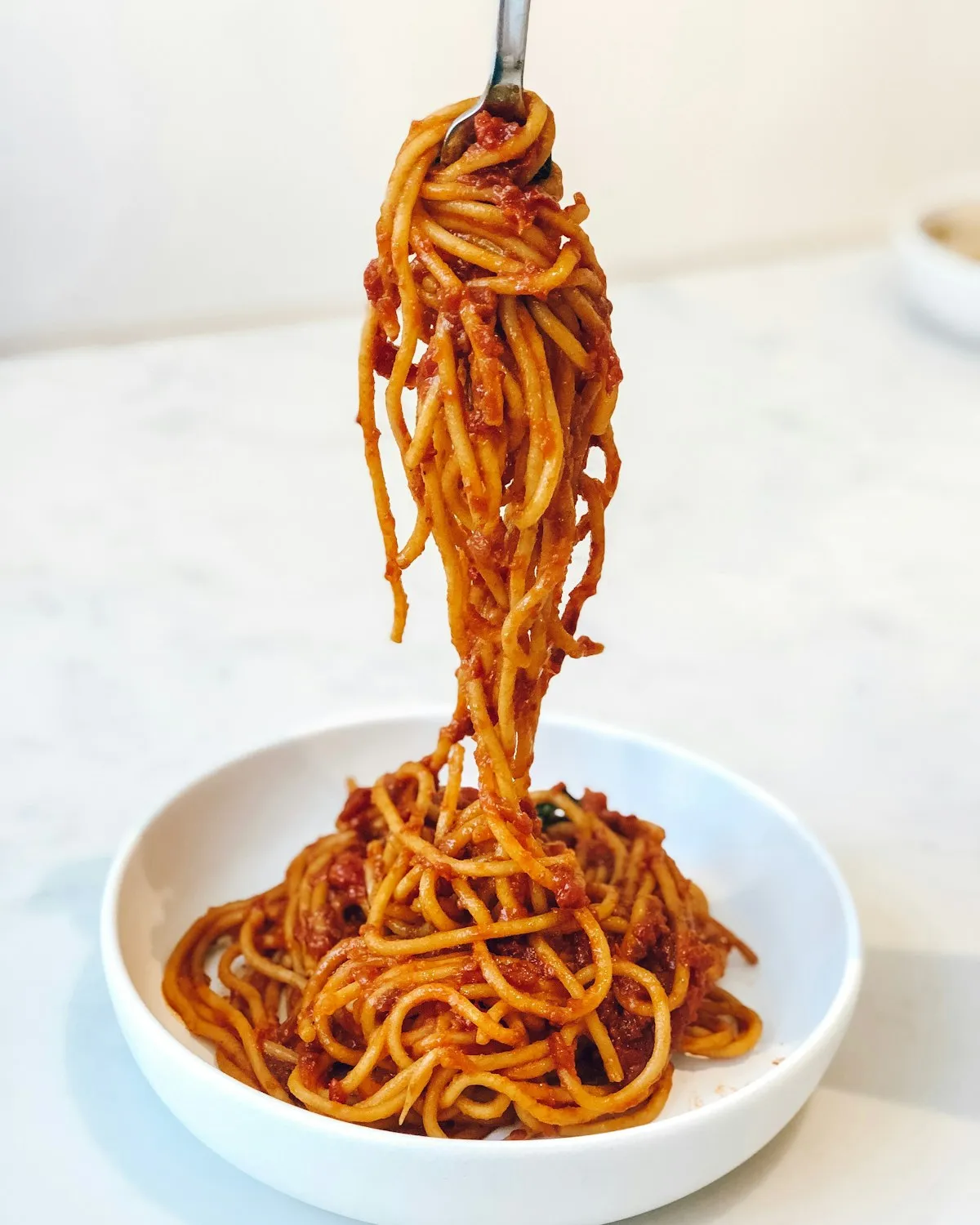
Tomatoes are roughly 95% water. If you simmer them in a pan on the stove, that water stays trapped in the sauce unless you cook it down for ages. In the oven, the dry heat facilitates rapid evaporation. As the water leaves, the natural sugars and glutamates: the stuff that makes things taste "savory": become incredibly concentrated. This is why roasted tomatoes taste like "super-tomatoes."
Then comes the Maillard reaction and caramelization. Around the 20-minute mark, the sugars in the tomato skins begin to brown, and the juices spilling onto the pan start to bubble and darken. This creates a complex, jammy sweetness that raw or boiled tomatoes simply can't match.
The garlic undergoes its own transformation. Raw garlic is sharp and pungent due to sulfur compounds. However, when roasted whole or in large chunks within a pool of olive oil, those compounds break down. The result is a mellow, nutty, and buttery clove that you can literally mash with the back of a fork. This is one of those easy dinner recipes where the technique does 90% of the work for you.
Mastering the Technique: Non-Negotiables
If you want success, do not overcrowd your pan. This is my biggest coaching tip for you. If those tomatoes are packed in like commuters on a Monday morning subway, they will steam instead of roast. You’ll end up with a watery, pale mess instead of the concentrated, charred goodness we’re after. Use a large rimmed sheet pan and give every tomato its own personal bubble.
Also, pay attention to how you prep your garlic. Avoid the urge to mince it finely. Fine mince in a 400°F oven is a recipe for bitterness; those tiny pieces will burn before the tomatoes even think about wrinkling. Instead, smash the cloves flat with the side of your knife or slice them into thick "coins." This allows them to roast at the same pace as the fruit.
Finally, let’s talk about the "emulsion." When you toss your pasta with these roasted gems, don’t you dare throw away all that pasta water. That starchy liquid is liquid gold. When combined with the olive oil and tomato juices on the pan, it creates a glossy, restaurant-quality sauce that actually sticks to the spaghetti.
Flavor Variations: Tweaking the Template
Once you’ve mastered the basic roasted tomato base, the world is your oyster: or your pantry, at least. This dish is a blank canvas for quick healthy meals that cater to whatever you have on hand.
If you want more depth, try the "Umami Bomb" variation. Add a tablespoon of capers and a handful of pitted kalamata olives to the sheet pan halfway through roasting. The saltiness of the olives cuts through the sweetness of the roasted tomatoes perfectly. For those who like a bit of a kick, a heavy pinch of red pepper flakes added to the oil before roasting will infuse the entire sauce with a steady, glowing heat.
Want to bulk it up? While the tomatoes are roasting, you can easily sear some protein on the side. Sliced Italian sausage or even some crispy bacon (as seen in some of our other soulful recipes) adds a smoky fat that plays beautifully with the acidity of the tomatoes. If you’re keeping it plant-based, toss a can of rinsed chickpeas onto the pan with the tomatoes. They’ll get slightly crispy and soak up all those delicious garlic juices.
For a creamy twist, dollop some fresh ricotta or break a ball of burrata over the finished pasta. The cold, creamy cheese melting into the hot, jammy tomatoes is a sensory experience you won’t soon forget.
The Perfect Side: Balance on the Plate
Since this pasta is rich, sweet, and garlicky, you need side dishes that provide a "lift." I always recommend something with high acidity or a crunch to contrast the soft, silky texture of the spaghetti.
A simple arugula salad with a sharp lemon vinaigrette is my go-to. The peppery bite of the arugula and the citrus punch of the lemon reset your palate between bites of the rich pasta. It’s a classic way to keep your quick healthy meals feeling light and energized.
If you’re leaning into the "comfort food" vibe, a thick slice of crusty sourdough is non-negotiable. You’ll want it to mop up the leftover garlic oil and tomato juices at the bottom of your bowl. For a vegetable side, try quick-blanched broccolini tossed in a little lemon zest. The bitterness of the greens balances the concentrated sugars of the roasted tomatoes, making the whole meal feel perfectly rounded. Check out our vegetable guides for more pairing inspiration.
Frequently Asked Questions
Why is my sauce watery instead of jammy?
This usually happens for two reasons: you either crowded the pan or you didn't roast them long enough. If the tomatoes are too close together, the steam gets trapped, and they boil in their own juice. Next time, use a larger pan or two smaller ones. Also, ensure you see those shriveled skins and some browned edges before taking them out; that's the sign that the water has successfully left the building.
Can I use large tomatoes instead of cherry tomatoes?
You can, but the result will be different. Cherry and grape tomatoes have a higher skin-to-flesh ratio and more natural sugar, which makes them ideal for roasting into a "sauce." Larger tomatoes have more water and seeds; if you use them, I recommend dicing them and removing some of the watery seeds first. They won't get quite as "jammy" as the smaller varieties.
I burnt my garlic! What did I do wrong?
You likely minced it too finely or tucked it into a spot on the pan where it wasn't protected by the tomato juices or enough oil. To prevent this, leave your garlic cloves whole but smashed, or keep them nestled under the tomatoes. The moisture from the tomatoes acts as a heat shield for the garlic.
Is this recipe actually healthy?
Absolutely. This is one of those easy dinner recipes that relies on "real food" ingredients. You’re getting a massive dose of lycopene (which actually becomes more bioavailable when tomatoes are cooked) and healthy fats from the olive oil. To keep it even lighter, you can use whole-grain pasta or even zoodles, though the latter won't hold the sauce quite as well as traditional spaghetti.
How do I store and reheat leftovers?
Store the pasta and sauce together in an airtight container for up to three days. When reheating, add a tiny splash of water or more olive oil before microwaving or tossing in a pan. This prevents the pasta from soaking up all the remaining sauce and becoming dry.
{“@type”:”BlogPosting”,”image”:[“https://cdn.marblism.com/TjDsOADlSED.webp”,”https://cdn.marblism.com/92fKel-dII_.webp”,”https://cdn.marblism.com/p4y43xFFdFY.webp”,”https://cdn.marblism.com/o7hGxcgKPrW.webp”,”https://cdn.marblism.com/M3M2h9r_MBP.webp”],”author”:{“name”:”Penny”,”@type”:”Person”},”@context”:”https://schema.org”,”headline”:”Simple Pasta Recipes: Roasted Cherry Tomato and Garlic Spaghetti”,”publisher”:{“logo”:{“url”:”https://cookpedia.com/logo.png”,”@type”:”ImageObject”},”name”:”Cookpedia”,”@type”:”Organization”},”description”:”Discover the science and simplicity behind the perfect roasted cherry tomato and garlic spaghetti. Learn why roasting at 400°F creates a concentrated, jammy sauce for your next easy dinner.”,”datePublished”:”2026-07-23″,”mainEntityOfPage”:{“@id”:”https://cookpedia.com/simple-pasta-recipes-roasted-cherry-tomato-garlic-spaghetti”,”@type”:”WebPage”}}