Recipe
Servings
Servings 1×
Ingredients
- Pasta
- Noodles
- Tomatoes
- Cooking oil
Method
- Prepare the ingredients described in the article and heat the cooking surface or oven as directed.
- Cook the main ingredients using the heat and timing guidance in the article.
- Finish with the seasonings and garnishes named in the article, then serve.
If you have a jar of sun-dried tomatoes and a can of artichoke hearts hiding in the back of your pantry, you are exactly twenty minutes away from a restaurant-quality meal. I’m a huge fan of simple pasta recipes that rely on punchy, pantry-stable ingredients to do the heavy lifting. This particular dish is a masterclass in balance: the deep, concentrated sweetness of tomatoes meets the earthy, slightly acidic bite of artichokes. It’s elegant enough for a date night but fast enough for a Tuesday.
The Science of the Saucier Skillet
To turn a few disparate ingredients into a cohesive meal, you need to understand the magic of emulsification. Most people drain their pasta, dump it in a bowl, and pour sauce over the top. Stop doing that. You are missing out on the single most important ingredient in your kitchen: starchy pasta water.
When you boil pasta, it releases amylose and amylopectin (starches) into the water. If you add a splash of this cloudy liquid to your pan along with the oil from your sun-dried tomatoes, you create an emulsion. The starch acts as a stabilizer, binding the fat and water together into a silky, glossy sauce that actually clings to the noodles rather than pooling at the bottom of the bowl.
Mastering the Sun-Dried Tomato
Sun-dried tomatoes are umami bombs. During the drying process, water evaporates, concentrating the sugars and glutamate, the molecule responsible for savory flavor. If you’re using oil-packed tomatoes, use that oil! It is saturated with tomato essence. Sauté your aromatics in it to lay a flavor foundation from the very first second. If you have dry-packed tomatoes, rehydrate them in boiling water for ten minutes before slicing. This prevents them from becoming leathery or sticking to your teeth like savory fruit leather.
Artichokes and Acidity
Artichokes contain a unique compound called cynarin. Interestingly, cynarin can make the foods you eat afterward taste sweeter by inhibiting sweet-sensing receptors on your tongue, which then "rebound" when you take a sip of water or another bite. In this dish, the natural acidity of marinated artichoke hearts provides a necessary counterpoint to the rich, oily tomatoes. Use marinated hearts over canned-in-water versions whenever possible; the marinade usually includes vinegar and herbs that add layers of flavor without any extra effort from you.
The Al Dente Non-Negotiable
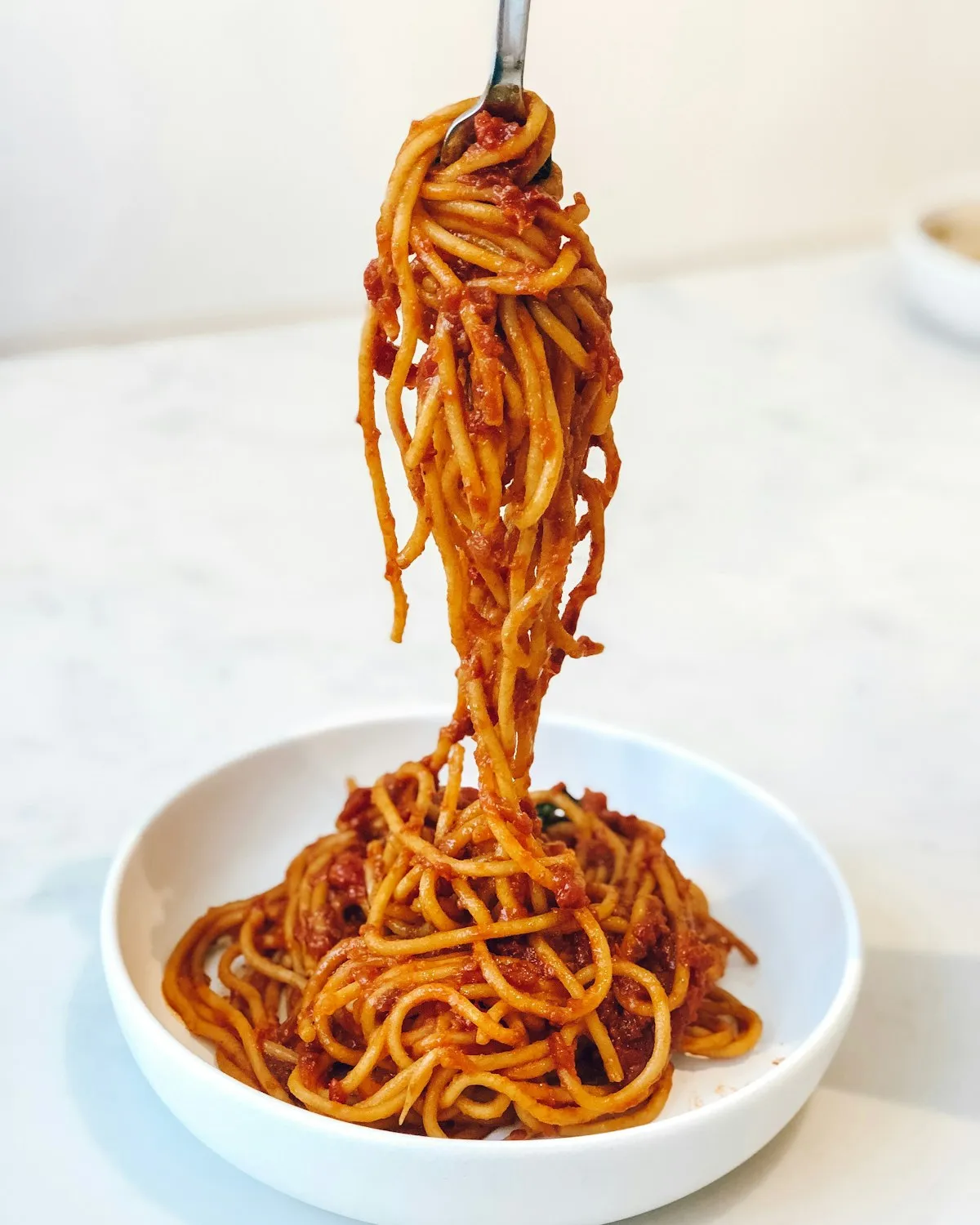
Always pull your pasta out of the boiling water about two minutes before the package says it’s done. This is called al dente, or "to the tooth." The pasta should still have a firm, slightly chalky center. Why? Because the cooking process doesn't stop at the colander. When you toss the pasta into your hot skillet with the tomatoes and artichokes, it will absorb the sauce as it finishes cooking. This ensures every strand is flavored from the inside out. If you overcook it in the water, it becomes mushy and loses its structural integrity the moment it hits the pan.
Variations for the Creative Cook
One of the reasons this is one of my favorite simple pasta recipes is its versatility. You can easily adapt it based on what’s in your fridge. If you’re looking for quick family meals, try adding a protein boost. Grilled chicken or sautéed shrimp pair beautifully with these Mediterranean flavors. For a vegetarian powerhouse, toss in a handful of fresh baby spinach or kale during the last minute of cooking; the residual heat will wilt the greens perfectly without making them slimy.
If you prefer a creamier profile, stir in a dollop of goat cheese or a splash of heavy cream right at the end. The goat cheese, in particular, adds a tangy creaminess that highlights the artichokes. For those who like a bit of heat, don't be shy with the red pepper flakes. Adding them to the oil early in the process (blooming the spices) allows the capsaicin to dissolve in the fat, distributing a consistent, gentle warmth throughout the entire dish.
Side Dish Pairings and Balance
When serving a rich, oil-based pasta, you want a side dish that cuts through the fat. A simple arugula salad with a lemon-truffle vinaigrette is my go-to. The peppery bite of the arugula and the sharp citrus of the lemon provide the "high notes" that balance the "bass notes" of the sun-dried tomatoes.
If you’re looking for healthy dinner ideas to round out the table, consider roasting some broccoli or asparagus. Pro tip: if you’re already making air fryer recipes dinner style, throw some seasoned chickpeas in the air fryer for ten minutes at 400°F (200°C). They become incredibly crunchy and act like protein-packed croutons when sprinkled over the pasta.
Frequently Asked Questions
Can I use canned artichoke hearts instead of jarred ones?
Yes, you can, but there’s a catch. Canned artichokes are usually packed in water or brine, meaning they lack the infused oils and herbs of the marinated version. If you use canned, make sure to drain them thoroughly and pat them dry with a paper towel. Sauté them in plenty of high-quality olive oil and add a pinch of dried oregano and a squeeze of lemon juice to mimic that marinated flavor.
My sauce is too oily and won't stick to the pasta. What happened?
You likely missed the emulsification step! If the oil is separating, it’s because there isn't enough starch to hold it to the water. Add another splash of pasta water and turn up the heat slightly while tossing vigorously. The mechanical action of tossing, combined with the heat and the starch, will force the oil and water to marry into a creamy sauce.
How do I store and reheat leftovers without them getting greasy?
Pasta with oil-based sauces can get a bit "clumped" in the fridge as the fat solidifies. When reheating, avoid the microwave if possible. Instead, put the pasta back in a skillet over medium-low heat and add a tablespoon of water or broth. This re-hydrates the starch and loosens the oil, bringing that glossy texture back to life.
Is this recipe suitable for gluten-free pasta?
Absolutely. Just be extra careful with the cooking time. Gluten-free pasta (especially corn or rice-based) has a very narrow window between "perfect" and "mush." Start checking the texture three to four minutes before the package suggests. Since gluten-free pasta water is often even starchier than regular pasta water, it actually makes for a fantastic emulsion.
What’s the best pasta shape for this?
I recommend a shape with plenty of nooks and crannies to catch the bits of tomato and garlic. Penne, fusilli, or gemelli are all excellent choices. If you prefer long noodles, go with a thicker strand like linguine or fettuccine rather than delicate angel hair, which can get weighed down by the chunks of artichoke.
{“@type”:”BlogPosting”,”image”:”https://cdn.marblism.com/HzmiDFA7zsd.webp”,”author”:{“name”:”Penny”,”@type”:”Person”},”@context”:”https://schema.org”,”headline”:”Simple Pasta Recipes: Sun-Dried Tomato and Artichoke Heart Pasta”,”publisher”:{“logo”:{“url”:”https://cookpedia.com/logo.png”,”@type”:”ImageObject”},”name”:”Cookpedia”,”@type”:”Organization”},”description”:”Learn the science behind making a perfect Sun-Dried Tomato and Artichoke Heart Pasta. Discover tips on emulsification, pasta water, and choosing the best ingredients for simple pasta recipes.”,”datePublished”:”2026-07-26″,”mainEntityOfPage”:{“@id”:”https://cookpedia.com/simple-pasta-recipes-sun-dried-tomato-artichoke”,”@type”:”WebPage”}}