Recipe
Servings
it-and-eat-it-immediately dish because burrata loses its creamy textural contrast when reheated. However, you can prep the tomato sauce base and balsamic reduction up to two days in advance and assemble with fresh pasta and cheese on the day of serving.”,”@type”:”Answer”}},{“name”:”What is the best type of pasta shape to use here?”,”@type”:”Question”,”acceptedAnswer”:{“text”:”Short, ridged shapes like rigatoni, orecchiette, or fusilli are ideal because their nooks and crannies trap the burst tomato juices and torn burrata.”,”@type”:”Answer”}},{“name”:”Why do I need to salt my pasta water so heavily?”,”@type”:”Question”,”acceptedAnswer”:{“text”:”Salting your water ensures the interior of the pasta is seasoned as it cooks. The water should taste like the sea so the starch absorbs proper seasoning from within.”,”@type”:”Answer”}}]} 1×
Serves it-and-eat-it-immediately dish because burrata loses its creamy textural contrast when reheated. However, you can prep the tomato sauce base and balsamic reduction up to two days in advance and assemble with fresh pasta and cheese on the day of serving.”,”@type”:”Answer”}},{“name”:”What is the best type of pasta shape to use here?”,”@type”:”Question”,”acceptedAnswer”:{“text”:”Short, ridged shapes like rigatoni, orecchiette, or fusilli are ideal because their nooks and crannies trap the burst tomato juices and torn burrata.”,”@type”:”Answer”}},{“name”:”Why do I need to salt my pasta water so heavily?”,”@type”:”Question”,”acceptedAnswer”:{“text”:”Salting your water ensures the interior of the pasta is seasoned as it cooks. The water should taste like the sea so the starch absorbs proper seasoning from within.”,”@type”:”Answer”}}]}
Ingredients
- Chickpeas
- Pasta
- Noodles
- Spinach
- Tomatoes
- Garlic
- Lemon
- Balsamic vinegar
- Cream
- Cooking oil
- Chili seasoning
- Salt
- Black pepper
Method
- Prepare the ingredients described in the article and heat the cooking surface or oven as directed.
- Cook the main ingredients using the heat and timing guidance in the article.
- Finish with the seasonings and garnishes named in the article, then serve.
If you have ever stared at a block of cheese and wondered how to turn it into an entire personality trait, welcome to my kitchen. Today, we are diving headfirst into a bowl of absolute magic: a vibrant, creamy, tangy masterpiece that redefines what quick family meals can be on a hectic Tuesday night.
Tips & Technique: The Chemistry of the Ultimate Tomato Burrata Bowl
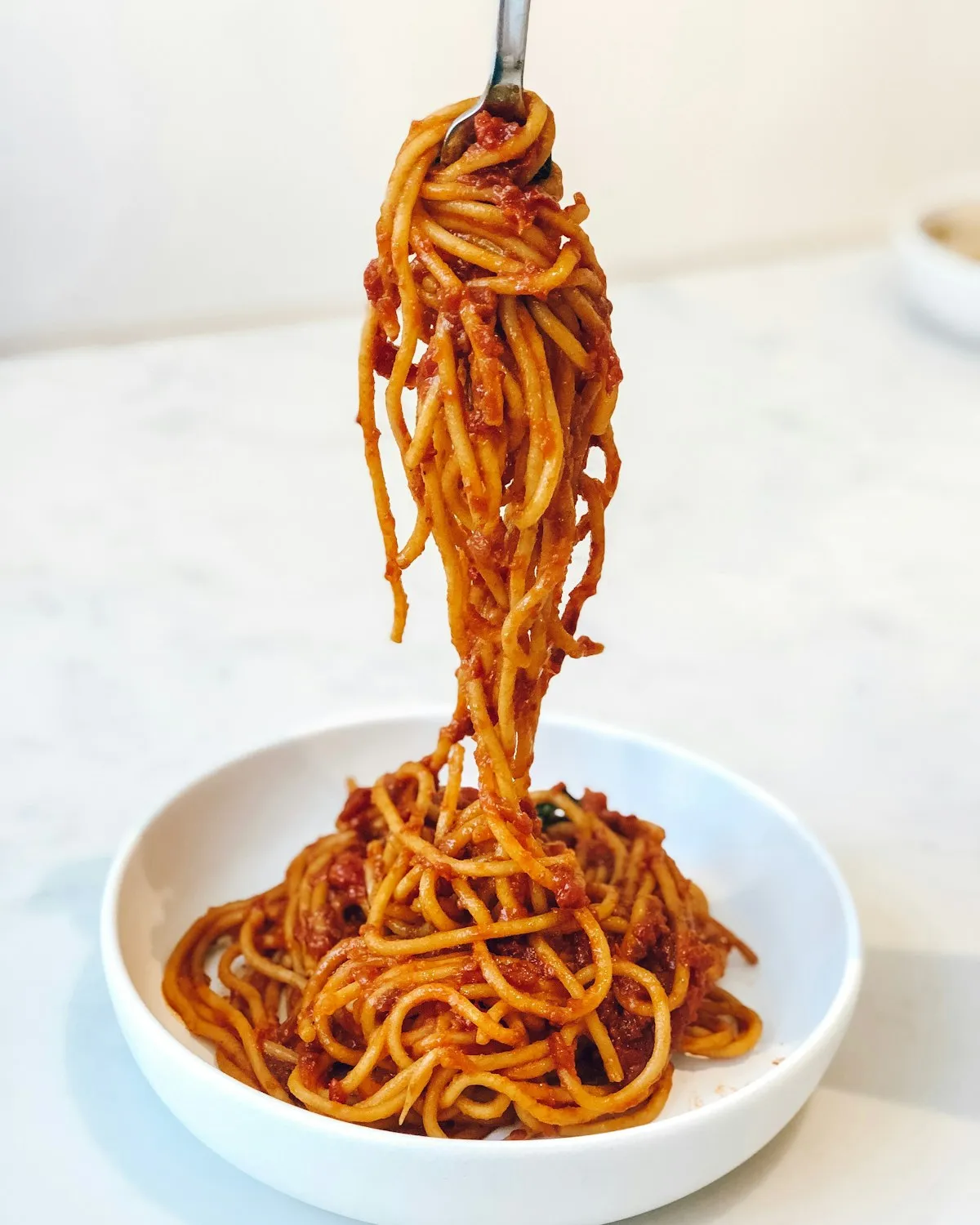
Let’s talk about why this dish works on a molecular level, because understanding the science of your food separates a mediocre plate from a transcendent one. When you build a great pasta dish, you are essentially conducting a chemistry experiment with heat, fat, water, and acid.
First up: the tomatoes. When you apply heat to cherry tomatoes, you aren't just softening them; you are driving off excess water and concentrating their natural sugars and glutamates. This process breaks down the cell walls and pectin, creating a thick, jammy sauce without needing heavy cream or flour. If you want even more intense caramelization, pop them into a hot oven until their skins split and release every drop of sweet, savory juice.
Next comes the garlic rule, and this is a non-negotiable hill I will happily die on. Garlic contains sulfur compounds that turn aggressively bitter and acrid if you let them burn. Sauté your garlic for precisely thirty to sixty seconds: just until your kitchen smells amazing: before dumping in your tomatoes. The high water content of the tomatoes will instantly cool the pan and halt the browning process, saving you from a bitter culinary tragedy.
Then there is the magic of starchy pasta water. As pasta boils, it sheds microscopic starch molecules into the cooking liquid. When you reserve a cup of this liquid and toss it vigorously with your hot pasta, hot tomato oil, and grated cheese, you trigger an emulsion. Fat and water refuse to mix naturally, but starches act as the peacemaker, bonding them into a glossy, velvety sauce that clings to every single ridge of your noodles instead of pooling sadly at the bottom of your bowl.
Finally, let’s address the star of the show: the burrata. Burrata is delicate. It features a tender mozzarella outer pouch and a rich, creamy, high-moisture interior filled with stracciatella. If you blast burrata with direct high heat on a roaring burner, the moisture inside will rapidly expand, turning your luxurious cheese into a grainy, rubbery disappointment. Always turn off your burner or remove your pan from the heat before tearing and nestling that gorgeous sphere into your pasta. The residual heat from the noodles is more than enough to warm it through while keeping the interior gloriously molten and cool-creamy against the hot sauce.
Delicious Variations for Every Craving
If you want to shake things up or if your pantry is looking slightly sparse, you can easily pivot this recipe while keeping its soul intact. If you love exploring air fryer recipes dinner concepts, try roasting your cherry tomatoes in the air fryer basket with a drizzle of olive oil, garlic cloves, and a pinch of salt until they burst open and blister at the edges. The circulating convection heat supercharges the caramelization process in record time.
For a punchier, spicier profile, toss in a generous pinch of red pepper flakes right along with your garlic, or fold in a tablespoon of Calabrian chili paste when you build your tomato base. The heat from the chilies cuts right through the rich, buttery dairy of the burrata.
If you are hunting for healthy dinner ideas that pack an extra nutritional punch, swap standard wheat pasta for a high-protein chickpea pasta or toss in two large handfuls of fresh baby spinach right at the end. The residual heat will wilt the greens into the sauce instantly, giving you a stealthy serving of iron and fiber without sacrificing a single ounce of comfort. You can also swap out the balsamic glaze for a bright lemon zest and toasted pine nut finish if you want an herbaceous, Mediterranean spin.
Side Dish Pairings to Complete Your Feast
Because this pasta is rich, creamy, and intensely savory, your side dishes need to provide contrast and lift. Never serve heavy, mayonnaise-laden salads or rich garlic bread alongside a dish that already features gooey cheese and olive oil; you want to balance fat and acidity.
Start with a crisp, hyper-simple arugula salad tossed in a sharp lemon-shallot vinaigrette. The peppery bite of raw arugula and the aggressive citrus acidity will act as a palate cleanser between heavy, decadent bites of pasta and burrata.
A warm loaf of rustic sourdough bread with a crackly crust is also fantastic for dragging through any leftover pools of tomato jam and balsamic glaze left at the bottom of your bowl. Just skip the butter: the sauce already has you covered on the luxury front. If you are serving wine, pour a dry, high-acid white like a Pinot Grigio or a light-bodied red like a chilled Chianti. The acidity in the wine mimics the balsamic glaze, cutting through the dairy coating on your tongue and keeping your palate fresh.
Frequently Asked Questions
What if my balsamic glaze turns out too thick or hardens like candy?
Simmering balsamic vinegar drives off water rapidly, concentrating the natural sugars. If you leave it on the heat for even thirty seconds too long, it will seize up into an unpourable syrup. Do not panic! Simply pull the saucepan off the heat and stir in a teaspoon of warm water at a time until it returns to a glossy, pourable consistency that coats the back of a spoon.
Can I make this dish ahead of time for meal prep?
Burrata pasta is decidedly a "make it and eat it immediately" event. Burrata loses its fresh, creamy textural contrast if refrigerated and reheated, as the high-moisture interior will separate and release water. However, you can prep your tomato sauce base and balsamic reduction up to two days in advance. Just boil fresh pasta, reheat the sauce, and top with fresh burrata when you are ready to eat.
What is the best type of pasta shape to use here?
Short, ridged shapes like rigatoni, orecchiette, fusilli, or casarecce are your absolute best friends. Their nooks, crannies, and hollow tubes act like tiny scoops, trapping the burst tomato juices, grated parmesan, and bits of torn burrata so that every single bite has the exact same flavor balance. Smooth noodles like spaghetti or fettuccine work in a pinch, but chunky shapes deliver superior structural integrity.
Why do I need to salt my pasta water so heavily?
Think of your pasta water as your only chance to season the interior of the noodle itself. If your water tastes flat and unseasoned, your finished dish will taste bland no matter how much salt you add to the sauce at the end. Aim for water that tastes noticeably briny: like the sea: so that the starch absorbs proper seasoning as it expands during boiling.
{“@type”:”FAQPage”,”@context”:”https://schema.org”,”mainEntity”:[{“name”:”What if my balsamic glaze turns out too thick or hardens like candy?”,”@type”:”Question”,”acceptedAnswer”:{“text”:”Simmering balsamic vinegar drives off water rapidly, concentrating the natural sugars. If you leave it on the heat for too long, it will seize up. Simply pull the saucepan off the heat and stir in a teaspoon of warm water at a time until it returns to a glossy, pourable consistency.”,”@type”:”Answer”}},{“name”:”Can I make this dish ahead of time for meal prep?”,”@type”:”Question”,”acceptedAnswer”:{“text”:”Burrata pasta is a make-it-and-eat-it-immediately dish because burrata loses its creamy textural contrast when reheated. However, you can prep the tomato sauce base and balsamic reduction up to two days in advance and assemble with fresh pasta and cheese on the day of serving.”,”@type”:”Answer”}},{“name”:”What is the best type of pasta shape to use here?”,”@type”:”Question”,”acceptedAnswer”:{“text”:”Short, ridged shapes like rigatoni, orecchiette, or fusilli are ideal because their nooks and crannies trap the burst tomato juices and torn burrata.”,”@type”:”Answer”}},{“name”:”Why do I need to salt my pasta water so heavily?”,”@type”:”Question”,”acceptedAnswer”:{“text”:”Salting your water ensures the interior of the pasta is seasoned as it cooks. The water should taste like the sea so the starch absorbs proper seasoning from within.”,”@type”:”Answer”}}]}