Recipe
Serves
12 1×
Serves 12 soft dinner rollsPrep 25 minCook 18 minTotal 2H28 min
Ingredients
Method
- Combine the lukewarm milk, lukewarm water, yeast, and sugar in a large bowl. Leave the mixture for 5 minutes. Instant yeast does not need to foam, but the liquid should not feel hot.
- Add the flour, salt, egg, and melted butter. Stir with a wooden spoon or sturdy spatula until a rough, soft dough forms.
- Turn the dough onto a lightly floured work surface. Knead for 8 to 10 minutes. Alternatively, use a stand mixer fitted with a dough hook and knead on low speed for 5 to 6 minutes.
- Stop kneading when the dough is smooth, elastic, and slightly tacky. Do not add flour automatically. Add only a teaspoon at a time if the dough is impossible to handle.
- Lightly grease a clean bowl. Place the dough inside, turn it once to coat the surface, then cover the bowl with a clean kitchen towel or reusable cover.
- Leave the dough in a warm, draft-free location for 60 to 90 minutes, or until it has doubled in size.
- Grease a 9 by 13-inch baking dish. Gently press the dough down to remove excess gas. Divide it into 12 equal pieces.
- Shape each piece into a ball. Pull the edges underneath and pinch the base closed. Roll each portion briefly under your palm until the surface is smooth.
- Arrange the dough balls in the prepared baking dish. They should be close together but not compressed.
- Cover the dish and leave the rolls to rise for 30 to 45 minutes. They should look visibly puffy and should almost fill the spaces between them.
- Heat the oven to 350°F or 175°C. Place the baking dish on the center rack.
- Bake for 16 to 20 minutes, until the tops are light golden brown. Avoid excessive baking. Dark tops and dry edges indicate that too much moisture has been removed.
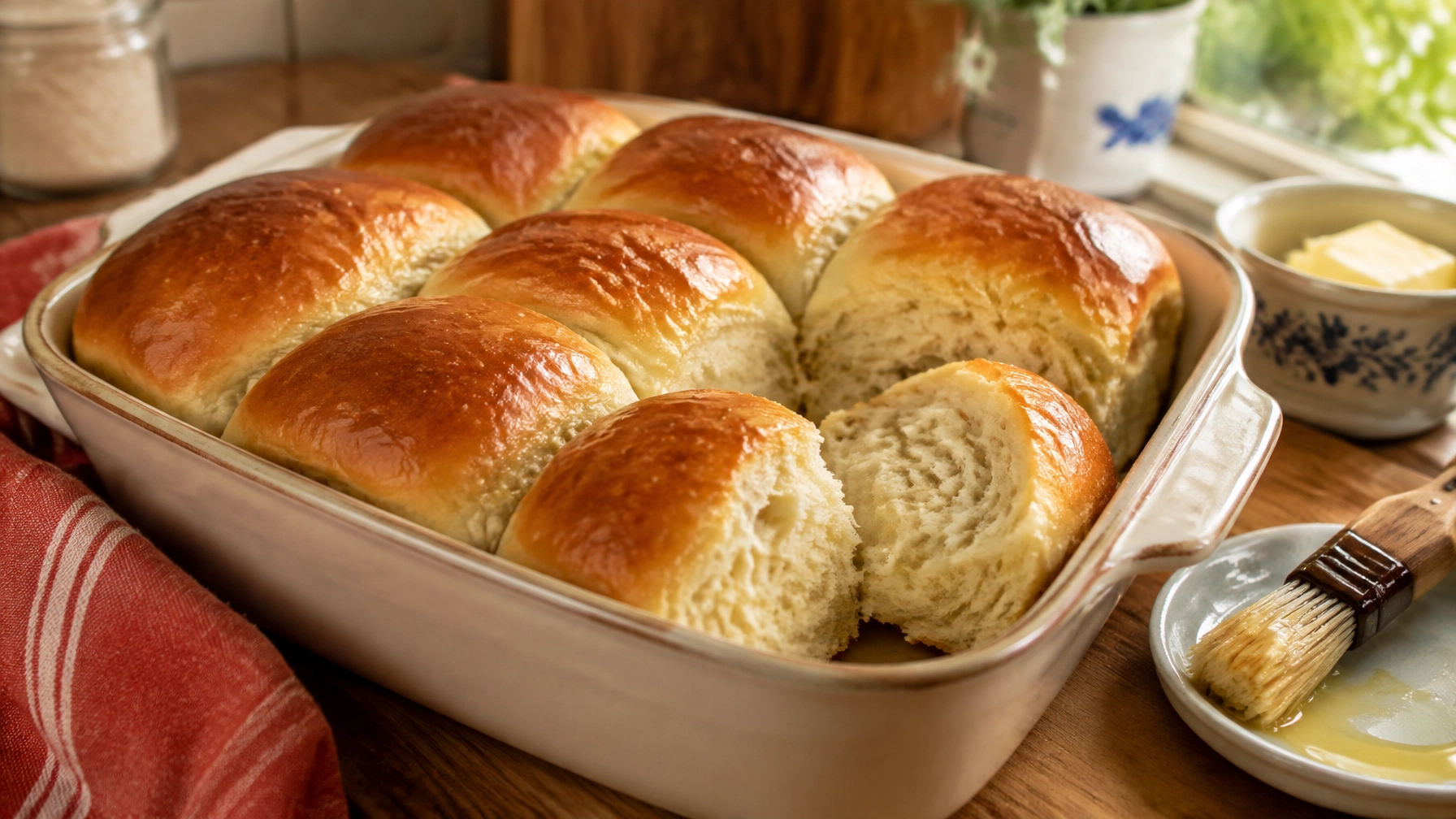
- Remove the rolls from the oven. Brush the tops immediately with melted butter.
- Rest the rolls for 5 to 10 minutes before serving. They are best warm, but they can also be cooled completely and reheated.
Soft Dinner Rolls (Fluffy Homemade Recipe)
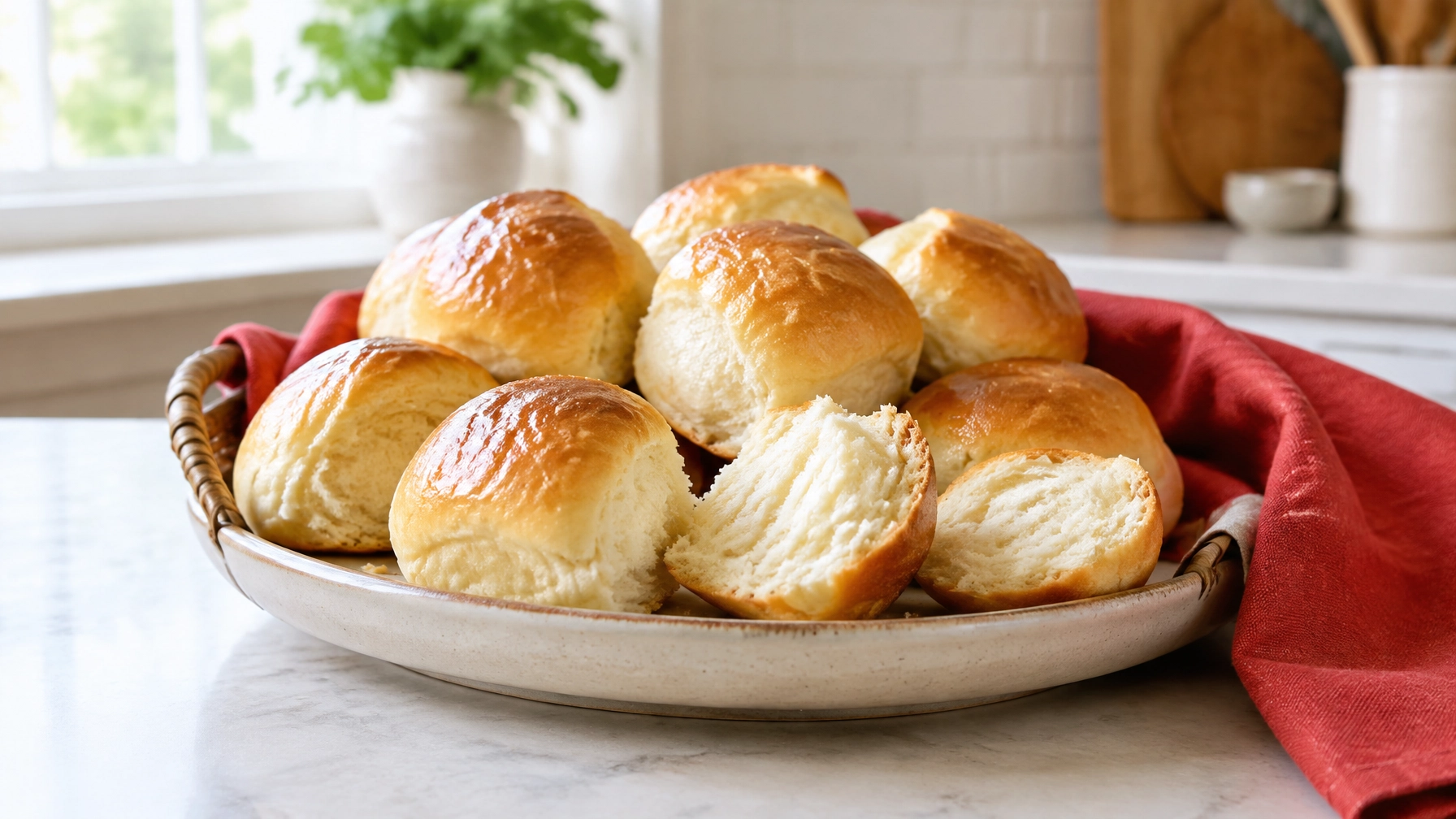
soft dinner rolls (noun): small enriched yeast breads with a tender crumb, a lightly browned crust, and enough structure to serve with a meal.
Soft dinner rolls are made with a short list of standard ingredients: flour, milk, yeast, butter, sugar, salt, and egg. The method is equally standard. Mix the dough, knead until smooth, allow it to rise twice, shape the rolls, then bake until lightly golden.
The principal control is flour. Adding too much flour produces dense rolls. The dough should remain soft and slightly tacky during mixing. The second rise is also mandatory. It creates the light texture associated with properly made dinner rolls.
This recipe makes 12 rolls in a 9 by 13-inch baking dish. Serve them with soup, roast vegetables, pasta, or a formal dinner requiring an absorbent carbohydrate component.
Overview
These homemade dinner rolls use an enriched dough. Milk provides tenderness. Butter adds richness. Sugar supports browning and balances the salt. Egg contributes color and structure.
The rolls are baked close together so their sides remain soft while the tops brown. Brush them with melted butter immediately after baking. This softens the crust and provides a controlled finish.
For additional background on yeast dough handling, consult the King Arthur Baking soft dinner rolls recipe or the Sally's Baking Addiction dinner rolls guide.
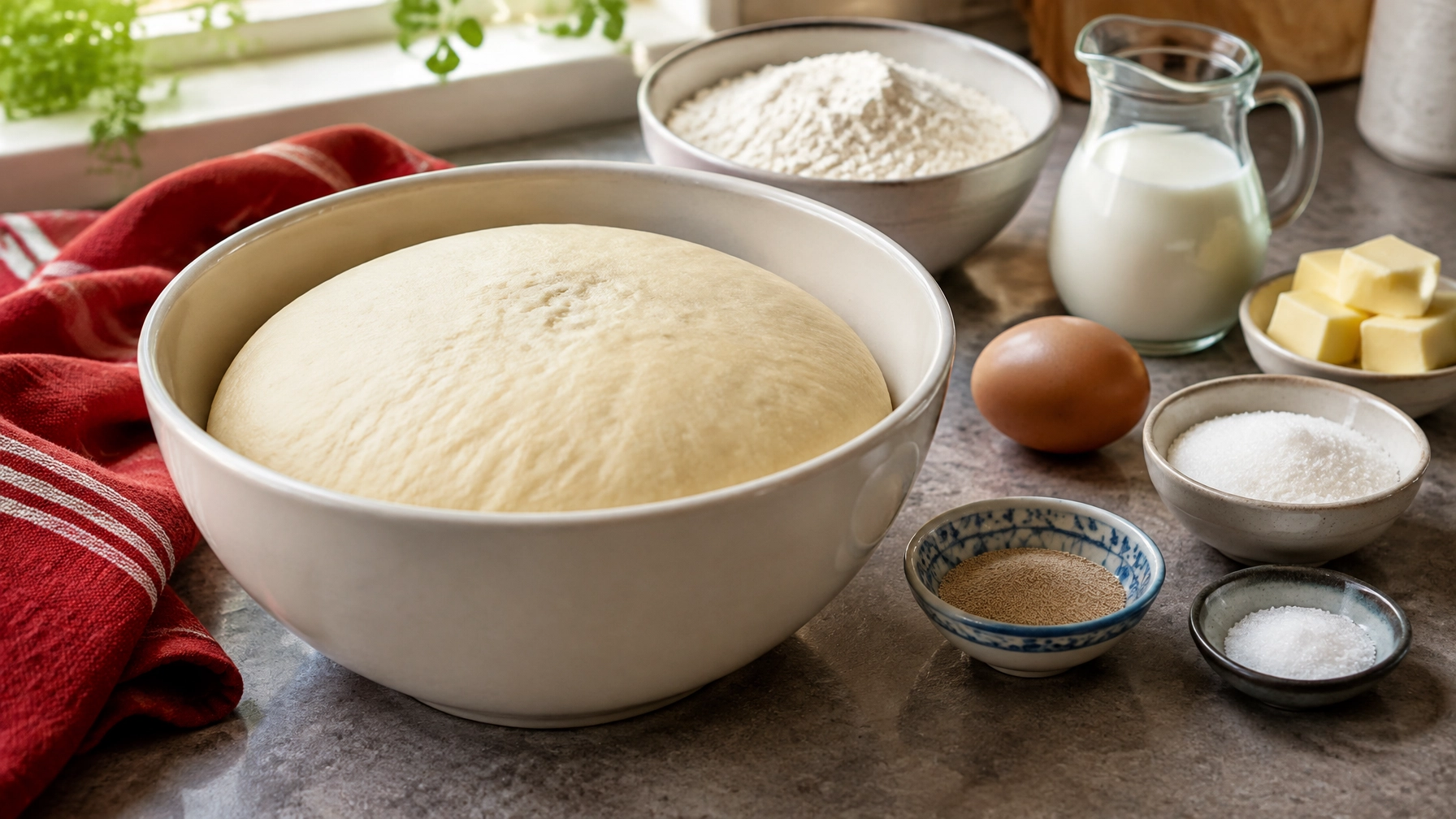
Recipe
Details
- Yield: 12 soft dinner rolls
- Prep time: 25 minutes
- Rise time: 1 hour 45 minutes
- Cook time: 18 minutes
- Total time: 2 hours 28 minutes
- Oven temperature: 350°F or 175°C
- Equipment: 9 by 13-inch baking dish, large mixing bowl, kitchen towel
Tips
- Measure flour accurately. Weighing the flour is the most reliable method. If using cups, spoon the flour into the cup and level it with a knife. Do not pack it down.
- Use lukewarm liquids. Very hot milk or water can damage the yeast. The liquid should feel similar to warm bath water.
- Expect a soft dough. A slightly sticky dough usually produces a softer roll than a dry, heavily floured dough.
- Allow both rises to finish. If the dough has not doubled during the first rise, it requires more time. If the shaped rolls remain small and firm, extend the second rise.
- Keep the rolls together. Close spacing supports upward growth and protects the sides from excessive browning.
- Check the oven. An oven that runs hot can dry the rolls before the centers are properly set.
- Use butter after baking. Applying butter while the rolls are hot softens the crust and adds surface flavor.
- Cool before storing. Sealing very hot rolls can create condensation and a damp crust.
Variations
Honey dinner rolls
Replace the granulated sugar with 3 tablespoons of honey. Add the honey with the milk and water. The rolls will have a slightly deeper color and a mild floral sweetness.
Whole wheat rolls
Replace 1 cup of the all-purpose flour with whole wheat flour. Add 1 tablespoon of water if the dough feels firm. The texture will be slightly more substantial.
Garlic herb rolls
Mix 1 teaspoon of garlic powder and 1 teaspoon of dried Italian herbs into the flour. Brush the baked rolls with butter mixed with finely chopped parsley.
Seeded rolls
Brush the shaped rolls with a little milk before baking. Sprinkle with sesame seeds, poppy seeds, or sunflower seeds. Check the seeds during baking because they can brown quickly.
Make-ahead rolls
Prepare and shape the rolls, then cover the baking dish and refrigerate overnight. The next day, allow the rolls to stand at room temperature until puffy before baking. This may require 60 to 90 minutes.
Storage
Store cooled rolls in an airtight container at room temperature for up to 2 days. Reheat them in a 300°F or 150°C oven for 5 to 8 minutes.
For longer storage, place cooled rolls in a freezer-safe container and freeze for up to 2 months. Thaw at room temperature, then warm in a low oven. Do not refrigerate baked rolls unless necessary. Refrigerator storage can accelerate staling.
Unbaked shaped rolls can be refrigerated overnight. They can also be frozen on a tray, transferred to a sealed container, and thawed in the refrigerator before the final rise.
FAQ
Why are my dinner rolls dense?
The most common causes are excessive flour, insufficient kneading, inactive yeast, or an incomplete rise. The dough should double during the first rise and become puffy during the second rise.
Can I use active dry yeast?
Yes. Use the same quantity. Stir it into the lukewarm milk, water, and sugar, then wait 5 to 10 minutes before adding the remaining ingredients. A foamy surface indicates that the yeast is active.
Can I make these rolls without an egg?
Yes. Replace the egg with 3 tablespoons of additional milk. The rolls will still be soft, but they may have a slightly less rich flavor and a paler crust.
What flour is best for soft dinner rolls?
All-purpose flour is suitable and produces a tender crumb. Bread flour can also be used, but it may produce a slightly chewier roll. If using bread flour, monitor the dough carefully and avoid adding extra flour unless required.
How do I know when the rolls are fully baked?
The tops should be light golden brown, and the rolls should feel set when gently pressed. If using a thermometer, the center of a roll should reach approximately 190°F or 88°C.
Can I prepare the dough without a stand mixer?
Yes. Mix the ingredients with a spoon, then knead by hand for 8 to 10 minutes. The dough may appear sticky at first. Continue kneading before adding more flour.
Why did the rolls spread instead of rising?
The dough may have been too wet, the yeast may have been weak, or the shaped balls may not have been tightened sufficiently. Shape each portion into a smooth, firm ball and allow the second rise to proceed in a close-fitting dish.
Can I use plant-based milk?
Yes. Use an unsweetened plant-based milk with a similar consistency to dairy milk. Oat milk and soy milk are suitable options. The final flavor and browning may differ slightly.