Recipe
Servings
Servings 1×
Ingredients
- Pasta
- Noodles
- Garlic
- Cooking oil
Method
- Heat management is your second critical pillar.
- Start your sliced garlic in a cold pan with the oil.
- Use a heavy-bottomed skillet to ensure even heat distribution.
- Use tongs to swirl and toss the pasta rapidly.
If you have fifteen minutes and a handful of pantry staples, you have a feast. There is a specific kind of magic in Aglio e Olio: the classic Italian "garlic and oil" pasta. It is the ultimate expression of minimalist cooking, proving that you don't need a long list of ingredients to create something deeply soulful. This isn't just a backup plan for when the fridge is empty; it’s a masterclass in technique that transforms humble ingredients into a silky, restaurant-quality meal.
The Science of the Silky Emulsion
The secret to moving beyond "oily noodles" and achieving a truly luxurious sauce lies in a bit of kitchen chemistry called emulsification. You are essentially creating a bridge between the olive oil and the starchy pasta water. When you toss the hot pasta in the pan, the starch acts as a stabilizer, allowing the fat and water to bind into a creamy coating that clings to every strand.
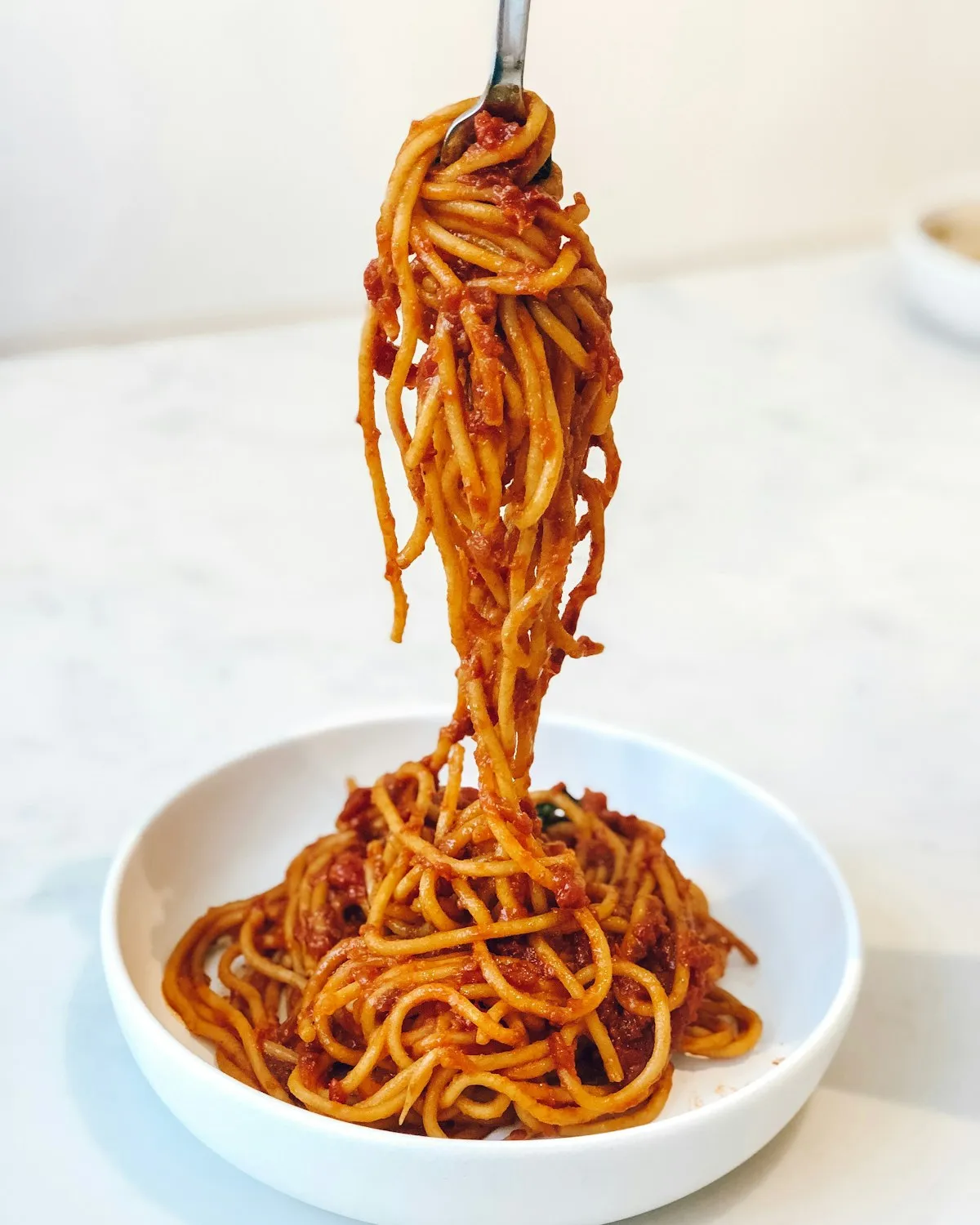
To master this, always pull your pasta out of the boiling water about two minutes before the package says it's "al dente." It should still have a firm bite in the center. Finishing the cook time in the skillet is a non-negotiable step. As the pasta finishes cooking in the oil and water mixture, it releases even more starch directly into the sauce, thickening it into that signature glossy finish. If you’re looking for simple pasta recipes that feel high-end, this technique is your foundation.
Heat management is your second critical pillar. Garlic is temperamental; it goes from fragrant to bitter in a heartbeat. Start your sliced garlic in a cold pan with the oil. By slowly bringing the temperature up, you gently extract the essential oils and flavor without scorching the exterior. If you see the edges turning a pale golden brown, add a ladle of pasta water immediately. This "shocks" the pan, dropping the temperature and stopping the garlic from cooking further.
Texture and Flavor Non-Negotiables
While this falls under the category of budget friendly recipes, the quality of your execution dictates the result. Use a heavy-bottomed skillet to ensure even heat distribution. When you combine the pasta and the oil, do not be afraid to be vigorous. Use tongs to swirl and toss the pasta rapidly. This agitation is what forces the oil and water to emulsify. If the pan looks dry, add more water. If it looks like a puddle, keep tossing over the heat until it reduces into a tight, shimmering glaze.
Variations: Playing with Balance
Once you’ve mastered the base, you can start tweaking the flavor profile to suit your mood. The classic version is perfect, but adding a touch of acidity or heat can elevate the dish significantly. A squeeze of fresh lemon juice at the very end provides a bright counterpoint to the richness of the olive oil.
For those who crave heat, a generous pinch of red pepper flakes toasted alongside the garlic provides a slow-building warmth. If you want to lean into healthy dinner ideas, consider tossing in a handful of baby spinach or finely chopped kale during the last sixty seconds of cooking. The residual heat will wilt the greens perfectly without turning them to mush. You can even find inspiration from our viral garlic butter ramen hack if you want to experiment with different fats like brown butter for a nuttier depth.
Perfect Side Dish Pairings
Because this pasta is rich and savory, you want a side dish that offers crisp texture and high acidity to cleanse the palate. A simple arugula salad with a sharp lemon vinaigrette and shavings of Parmesan is the classic choice. The peppery bite of the greens cuts right through the garlic-infused oil.
If you’re looking to round out your quick family meals, roasted vegetables are an excellent addition. Think of charred broccolini or air-fried asparagus. These provide a structural contrast to the soft, silky pasta. While this dish is a stovetop hero, you might often find yourself looking for air fryer recipes dinner solutions for your sides to keep the kitchen cool and the cleanup minimal. A side of air-fryer sausage and peppers can also transform this simple pasta into a hearty, multi-component feast.
Aglio e Olio FAQ
Why is my pasta sauce watery instead of creamy?
This usually happens because of a lack of agitation or not enough starch in the water. Ensure you are using less water than usual to boil your pasta: this concentrates the starch. When you add the water to the oil, toss the pasta aggressively. If it’s still watery, let it simmer for another minute while tossing; the evaporation and constant movement will eventually force the emulsion to form.
Can I use jarred minced garlic?
Avoid it at all costs for this specific dish. Jarred garlic often sits in an acidic preservative that alters the flavor profile and prevents it from toasting correctly. Because garlic is the star here, you need the sweetness and aroma of fresh cloves. Slice them thinly with a sharp knife for the best texture.
What if I accidentally burn the garlic?
Be honest with yourself: if the garlic is dark brown or black, toss it and start over. Burned garlic is incredibly bitter and that bitterness will infuse into the oil, ruining the entire batch. It only takes a few minutes to start the oil and garlic again, and it’s worth the redo to keep the flavors soulful and bright.
Is this dish actually healthy?
Absolutely. It is one of those healthy dinner ideas that relies on high-quality fats and whole ingredients. Olive oil is packed with heart-healthy monounsaturated fats. To make it even more nutritious, use a whole-grain or protein-enriched pasta, and don't be shy with the fresh parsley: it’s packed with Vitamin C and K.
Can I make this ahead of time?
Aglio e Olio is best served immediately. Because the sauce is an emulsion, it can break or become absorbed by the pasta as it sits. If you do have leftovers, reheat them in a pan with a fresh splash of water and a tiny drizzle of oil to bring the gloss back to life.
How do I choose the right pasta?
Look for "bronze-cut" pasta if your budget allows. These noodles have a rougher, more porous surface that is scientifically designed to grab onto the sauce. While standard smooth pasta works for simple pasta recipes, the extra grip of a bronze-cut spaghetti makes a noticeable difference in how much sauce ends up in your mouth versus the bottom of the bowl.
{“@type”:”BlogPosting”,”image”:”https://cdn.marblism.com/0VehHfhMhQ9.webp”,”author”:{“name”:”Penny”,”@type”:”Person”},”@context”:”https://schema.org”,”headline”:”Soulful 15-Minute Garlic and Oil Pasta (Aglio e Olio)”,”publisher”:{“logo”:{“url”:”https://cookpedia.com/logo.png”,”@type”:”ImageObject”},”name”:”Cookpedia”,”@type”:”Organization”},”mainEntity”:{“@type”:”FAQPage”,”mainEntity”:[{“name”:”Why is my pasta sauce watery instead of creamy?”,”@type”:”Question”,”acceptedAnswer”:{“text”:”This usually happens due to lack of agitation or insufficient starch. Use less water to boil the pasta to concentrate the starch, and toss the pasta aggressively in the pan with the oil and water.”,”@type”:”Answer”}},{“name”:”Can I use jarred minced garlic?”,”@type”:”Question”,”acceptedAnswer”:{“text”:”No. Jarred garlic contains preservatives that change the flavor and prevent proper toasting. Freshly sliced garlic is essential for the sweet, nutty profile of this dish.”,”@type”:”Answer”}},{“name”:”What if I accidentally burn the garlic?”,”@type”:”Question”,”acceptedAnswer”:{“text”:”If the garlic turns dark brown or black, it will be bitter. It’s best to discard it and start again, as the bitterness will permeate the entire dish.”,”@type”:”Answer”}}]},”description”:”Master the art of the 15-minute Aglio e Olio. Learn the science of emulsification and garlic heat management for a perfect, budget-friendly meal.”,”datePublished”:”2026-06-15″}