Recipe
Servings
Servings 1×
Ingredients
- Steak
- Quinoa
- Greek yogurt
- Zucchini
- Mushrooms
- Avocado
- Tomatoes
- Onion
- Lemon
- Balsamic vinegar
- Cooking oil
- Salt
Method
- Prepare the ingredients described in the article and heat the cooking surface or oven as directed.
- Cook the main ingredients using the heat and timing guidance in the article.
- Finish with the seasonings and garnishes named in the article, then serve.
There is something inherently soulful about the combination of fire and fresh garden produce. When you’re chasing the clock on a Tuesday evening, the grill becomes your best friend, transforming humble vegetables into something deeply savory and satisfying. These 15-minute grilled vegetable skewers are the ultimate shortcut to quick healthy meals that don't taste like a compromise. By understanding just a tiny bit of the science behind high-heat cooking, you can turn a simple side into the star of your dinner table in less time than it takes to order takeout.
The Science of the Sear: Mastering Heat and Moisture
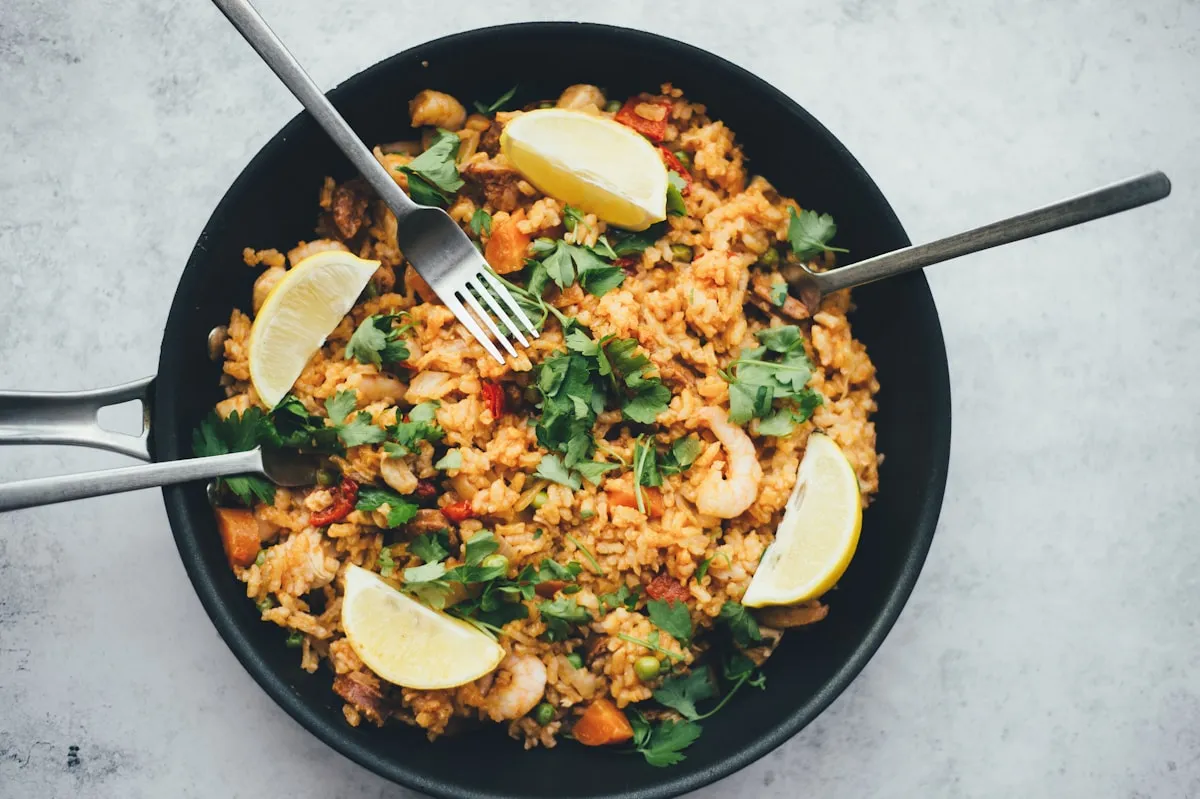
To get that perfect, "meaty" flavor from a vegetable in just a few minutes, you need to invite the Maillard reaction to the party. This is the chemical dance between amino acids and reducing sugars that happens when food hits high heat (usually above 285°F). While we often associate this with a searing steak, vegetables like onions, mushrooms, and bell peppers are surprisingly high in the compounds needed to create those complex, savory flavor molecules.
Conquer the Moisture
Moisture is the absolute enemy of browning. If your vegetables are wet when they hit the grill, the heat will spend all its energy evaporating that water before it can even start the browning process. You’ll end up with steamed, mushy veggies instead of crisp, charred ones. Use a clean kitchen towel to pat every piece of produce bone-dry before you even think about the oil.
Oil is Your Heat Conductor
Avoid soaking your vegetables in a heavy marinade. A thick liquid bath adds back the moisture we just worked so hard to remove. Instead, use a very light coating of a high-smoke-point oil (like avocado or grapeseed oil). The oil acts as a heat conductor, ensuring that the intense heat of the grill grates is transferred efficiently into the vegetable’s surface. This creates those iconic grill marks that aren't just for show: they are concentrated pockets of caramelized flavor.
Grouping for Success
Not all vegetables are created equal in the eyes of the flame. A delicate cherry tomato will burst in the time it takes a red onion to soften. To ensure everything finishes at once, group your "sprint" vegetables (like zucchini and tomatoes) together and your "marathon" vegetables (like peppers and onions) on separate skewers. If you must mix them, cut the denser vegetables into smaller pieces and the softer ones into larger chunks to balance the cooking time.
Avoid the Crowd
Leave a small gap between each vegetable on the skewer. If you jam them together too tightly, you create pockets of trapped steam. Airflow is your friend. You want the hot, dry air of the grill to circulate around each piece, ensuring a 360-degree sear.
Flavor Variations: Beyond the Basics
Once you’ve mastered the basic technique, you can start playing with flavor profiles that elevate these skewers into quick healthy meals the whole family will crave. The key is to add your flavor boosters after or during the final minute of grilling to prevent burning.
- The Mediterranean Zest: After the skewers come off the heat, immediately hit them with a squeeze of fresh lemon juice, a sprinkle of flaky sea salt, and a handful of chopped oregano. The acidity cuts through the smoky char perfectly.
- The Balsamic Glaze: Brush a thick balsamic reduction over the skewers in the last 30 seconds of cooking. The high sugar content will glaze the vegetables almost instantly, adding a rich, tangy sweetness that pairs beautifully with the earthy mushrooms.
- The Harissa Kick: Whisk a spoonful of spicy harissa paste with a dash of olive oil and brush it onto the vegetables before serving. The heat of the chilies provides a soulful depth that makes the vegetables feel incredibly substantial.
Perfect Side Dish Pairings
To turn these skewers into a complete meal, focus on textures and temperatures that contrast with the hot, smoky vegetables.
A cooling yogurt-based dip is a non-negotiable for me. The creaminess balances the rough, charred edges of the vegetables. You can also pair these skewers with a bright, leafy salad like this arugula power salad to add a fresh, peppery crunch. If you need something more filling, a bed of fluffy quinoa or a side of spicy tomato basil linguine provides the perfect base for catching any stray juices and oils from the grill.
FAQ: Solving Your Grilling Woes
Why are my vegetables always soggy?
Sogginess usually comes down to two culprits: low heat or high surface moisture. Ensure your grill is preheated to high for at least 10 minutes. If the grill isn't hot enough, the vegetables will sit and "leak" their internal water, essentially boiling in their own juices. Also, check that you aren't overcrowding the grill; if the steam can't escape, it stays in the food.
Should I use wood or metal skewers?
Both work, but they require different care. Metal skewers are great because they get hot and help cook the vegetables from the inside out, but they can be slippery. Wood skewers are disposable and grip the food well, but you must soak them in water for at least 20 minutes before use to prevent them from turning into kindling.
Can I make these in an air fryer?
Absolutely. While you lose the specific "flame" flavor, an air fryer is excellent at circulating hot air for browning. Check out our guide on air fryer vegetable medleys to see how to translate these flavors to the basket. Just remember to shake the basket frequently to ensure even exposure.
Is it better to salt before or after grilling?
Salt draws out moisture through osmosis. If you salt your vegetables 30 minutes before grilling, you’ll end up with a puddle of water. Salt them immediately before they hit the heat, or even better, salt them right as they come off the grill while the oil is still shimmering.
What are the best vegetables for 15-minute grilling?
Stick to "high-impact" vegetables. Bell peppers, red onions, zucchini, yellow squash, and whole mushrooms are the champions of quick healthy meals. Avoid dense root vegetables like raw carrots or potatoes unless you par-boil them first, as they won't soften in the 15-minute window.
{“@type”:”BlogPosting”,”image”:”https://cdn.marblism.com/ZPm-IxqzyE8.webp”,”author”:{“name”:”Cookpedia”,”@type”:”Organization”},”@context”:”https://schema.org”,”headline”:”Soulful 15-Minute Grilled Vegetable Skewers”,”publisher”:{“logo”:{“url”:”https://cookpedia.com/logo.png”,”@type”:”ImageObject”},”name”:”Cookpedia”,”@type”:”Organization”},”description”:”Master the art of 15-minute grilled vegetable skewers with scientific tips on the Maillard reaction, moisture control, and heat management for the perfect char.”,”datePublished”:”2026-06-08″,”mainEntityOfPage”:{“@id”:”https://cookpedia.com/soulful-15-minute-grilled-vegetable-skewers”,”@type”:”WebPage”}}