Recipe
Servings
Servings 1×
Ingredients
- Salmon
- Quinoa
- Asparagus
- Tomatoes
- Garlic
- Lemon
- Balsamic vinegar
- Honey
- Mustard
- Cream
- Feta
- Butter
- Cooking oil
Method
- Prepare the ingredients described in the article and heat the cooking surface or oven as directed.
- Cook the main ingredients using the heat and timing guidance in the article.
- Finish with the seasonings and garnishes named in the article, then serve.
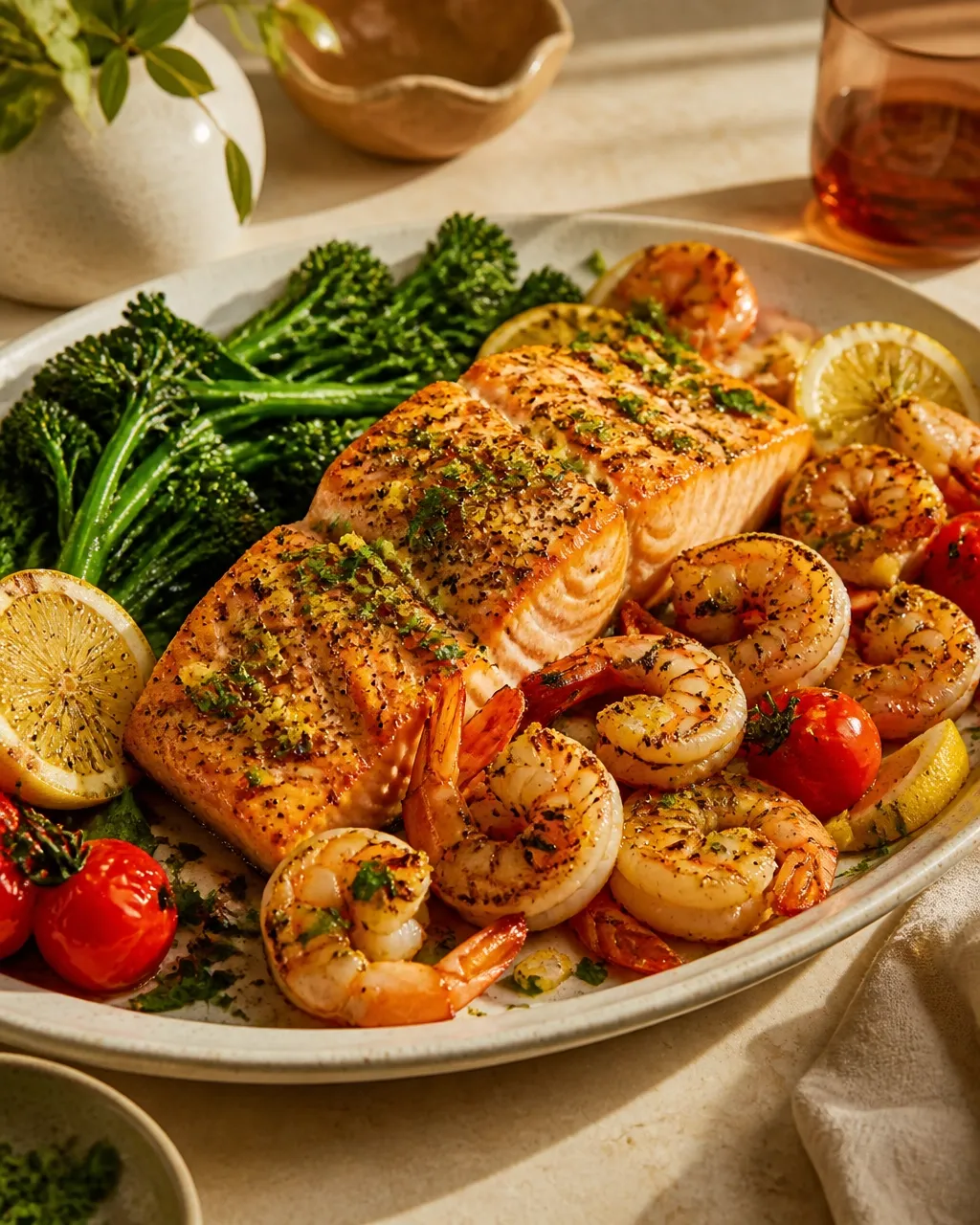
Let’s be honest: Tuesday night doesn’t care about your gourmet ambitions. Between the emails that should have been meetings and the general chaos of life, dinner often feels like a hurdle rather than a highlight. That is exactly why I lean so hard on this lemon dill salmon. It is elegant enough to feel like a "real" meal but fast enough to beat the delivery driver to your door. If you are looking for quick family meals that actually taste like effort went into them, you’ve found the crown jewel of my kitchen.
The Science of the 15-Minute Sizzle
To get salmon and asparagus from the fridge to the table in fifteen minutes, you have to understand the physics of your oven. Most home cooks under-preheat their ovens, which is the fastest way to end up with mushy vegetables and sad, pale fish. We are cranking things up to 425°F or even 450°F. This high-intensity heat is the secret behind those healthy dinner ideas that don't taste like "diet food."
Controlling Protein Coagulation
When you cook salmon, the proteins (specifically myosin) start to tighten up. If you cook it too slowly at a low temperature, the moisture gets squeezed out like a sponge, leaving you with dry, chalky fish. High heat allows the exterior to firm up quickly while the interior stays silky. You want to pull that salmon out when the internal temperature hits about 135°F to 140°F. The "carryover heat" while the fish rests on the counter will bring it up to that perfect, safe 145°F without overshooting into the danger zone of dryness.
The Power of Acid and Aromatics
Salmon is a fatty fish, the good kind of fat, mind you, but it needs a "high-pitched" flavor to cut through that richness. This is where the lemon comes in. Citric acid acts as a chemical balance, brightening the flavor profile so the fish feels light. Dill is the second half of this soul-soothing duo. Dill contains carvone, an aromatic compound that is highly fat-soluble. When you pair it with the natural oils in the salmon or a drizzle of olive oil, the flavor "blooms" and permeates the entire dish rather than just sitting on top.
The Asparagus Synchronization
Asparagus is the ultimate partner for salmon because they share a biological timeline. A medium-thickness asparagus spear needs almost exactly the same amount of time to reach "tender-crisp" perfection as a one-inch salmon fillet needs to reach medium-well.
Trim your asparagus by snapping off the woody ends, don't guess, just bend them until they break naturally. This ensures every bite is tender. If you have particularly thick spears, use a vegetable peeler to shave the bottom two inches of the stalk. This allows the heat to penetrate the core more quickly, ensuring your greens don't end up raw while your fish is perfect.
Creative Variations for Every Vibe
One of the reasons this is a staple in my rotation of 15-minute meals is its versatility. You aren't married to the lemon-dill combo, even if it is a classic.
- The Mediterranean Twist: Swap the dill for oregano and top the salmon with a handful of crumbled feta and halved cherry tomatoes before roasting. The tomatoes will burst and create a natural sauce that coats the asparagus.
- The Honey-Mustard Glaze: If you want something a bit deeper, whisk together a tablespoon of Dijon mustard with a teaspoon of honey. Brush this over the salmon. The sugars in the honey will caramelize under the high heat, giving you a beautiful crust.
- The Air Fryer Shortcut: If you are diving into air fryer recipes dinner, this dish translates perfectly. Place the salmon and asparagus in the basket at 400°F. Because an air fryer is essentially a high-powered convection oven, it might finish in as little as 8 to 10 minutes. Check out our guide on air fryer medleys to see how convection heat changes the game for one-basket meals.
Perfect Side Dish Pairings
While salmon and asparagus are a complete meal on their own, sometimes you need a little something extra to soak up those lemon juices.
If you are keeping it light, a simple arugula salad with a balsamic glaze is the way to go. The peppery bite of the greens complements the richness of the fish perfectly. For those nights when you need a bit more substance, I highly recommend a quick starch. A fluffy quinoa or even a garlic butter ramen hack can turn this into a feast. The savory, salty notes of garlic butter ramen provide a fantastic contrast to the bright, acidic lemon-dill profile of the salmon.
Avoid heavy, cream-based sides here. The salmon already has plenty of healthy fats; adding a heavy potato gratin or a thick mac and cheese can make the meal feel weighed down. Stick to "bright" sides, think grains, light pastas, or a simple crusty piece of sourdough.
FAQ: Solving Your Salmon Science Mysteries
What is that white stuff oozing out of my salmon?
That white goop is called albumin. It’s a protein that exists inside the fish in liquid form. When the salmon cooks too fast or too long, the muscle fibers contract and squeeze the albumin to the surface, where it coagulates. It is perfectly safe to eat, but it’s usually a sign that your heat was a bit too aggressive or you cooked it a minute too long. To minimize it, try brining your salmon in a simple salt-water solution for 10 minutes before cooking.
Can I use frozen salmon for this?
Yes, but you must thaw it completely first. If you cook salmon from frozen, the outside will be overcooked and dry by the time the center reaches a safe temperature. Thaw it in the fridge overnight or in a sealed bag under cool running water for 20 minutes. Always pat the fish dry with paper towels before seasoning; moisture is the enemy of a good sear or roast.
Why is my asparagus stringy?
You likely didn't trim enough of the bottom off. The bottom of the asparagus spear is "woody" because it contains a high concentration of lignin, a structural polymer that makes plants rigid. Your teeth cannot break down lignin. Snap the asparagus where it naturally wants to bend, and you’ll leave the woody parts behind.
Can I use dried dill instead of fresh?
You can, but the flavor profile changes. Fresh dill is bright and grassy, while dried dill is much more intense and "pickled" in flavor. If you use dried, use about one-third of the amount called for, as dried herbs are more concentrated.
How do I know the salmon is actually done without a thermometer?
Use the "flake test." Take a fork and gently press down on the thickest part of the fillet. If the flakes separate easily along the white fat lines, it’s done. If it resists or feels "rubbery," it needs another minute. The center should still look a tiny bit translucent: don't wait for it to turn opaque all the way through, or it will be dry by the time you sit down to eat.
{“@type”:”BlogPosting”,”image”:[“https://cdn.marblism.com/6PdrUM-g2j1.webp”,”https://cdn.marblism.com/jtnqfgBxPAJ.webp”,”https://cdn.marblism.com/_d3XZxgTr5u.webp”,”https://cdn.marblism.com/-CcvkMpwVTg.webp”],”author”:{“name”:”Penny”,”@type”:”Person”},”@context”:”https://schema.org”,”headline”:”Soulful 15-Minute Lemon Dill Salmon with Asparagus”,”publisher”:{“logo”:{“url”:”https://cdn.marblism.com/r31hCYxu5lk.webp”,”@type”:”ImageObject”},”name”:”Cookpedia”,”@type”:”Organization”},”description”:”Discover how to make a soulful 15-minute lemon dill salmon with asparagus. Learn the science behind high-heat roasting, protein coagulation, and perfect pairing for a quick family meal.”,”datePublished”:”2026-06-18″,”mainEntityOfPage”:{“@id”:”https://cookpedia.com/soulful-15-minute-lemon-dill-salmon-with-asparagus”,”@type”:”WebPage”}}