Recipe
Servings
Servings 1×
Ingredients
- Rice
- Cauliflower
- Mushrooms
- Cream
- Hard cheese
- Butter
- Cooking oil
Method
- Prepare the ingredients described in the article and heat the cooking surface or oven as directed.
- Cook the main ingredients using the heat and timing guidance in the article.
- Finish with the seasonings and garnishes named in the article, then serve.
For a long time, the culinary world has tried to convince you that risotto is a labor-intensive ritual, a forty-minute commitment to standing over a steaming pot, adding liquid one tiny drop at a time like you’re performing a delicate science experiment. I’m here to tell you that’s a myth. You don’t need an hour to reach that soulful, creamy perfection. With the right technique and a little understanding of starch, you can have a restaurant-quality meal on the table in fifteen minutes. This is soulful cooking for the modern schedule.
The Amylopectin Secret: Why Your Rice Matters
To master the fifteen-minute risotto, you first have to understand the grain. Risotto isn’t a specific dish as much as it is a specific reaction between rice and liquid. You must use short-grain rice, specifically varieties like Arborio or Carnaroli. These grains are packed with a branched starch called amylopectin.
Unlike the long-grain rice you might use for a fluffy pilaf, short-grain rice is designed to shed its outer layer of starch when heated and agitated. This starch is the engine behind that silky, saucy texture we crave. If you try to use Basmati or Jasmine, you’ll end up with a watery mess because those grains prioritize amylose, a starch that keeps the rice separate and firm. For quick family meals like this, sticking to the right grain is your first non-negotiable step toward success.
Agitation vs. The Ladle Myth
The biggest lie in Italian cooking is that you must add stock one ladle at a time. The science actually tells a different story. The creaminess of a risotto comes from mechanical agitation, literally, the grains of rice rubbing against one another and knocking their surface starch into the liquid.
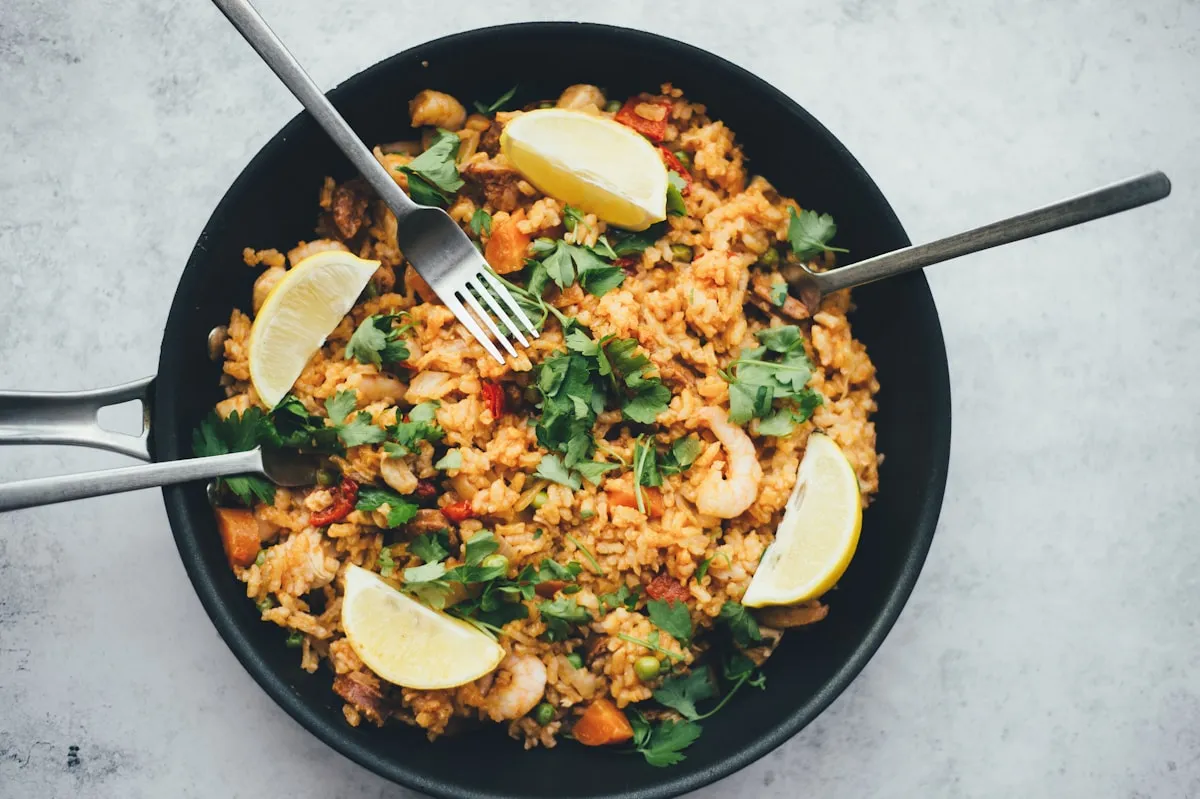
Instead of the slow-drip method, you can add about sixty percent of your hot stock right at the start. The key is to stir vigorously for the first three to five minutes. By creating a lively, bubbling environment and stirring with purpose, you force the rice to release its starch early in the process. Once that initial "starch dump" happens, you’ve already created the base of your sauce. This allows you to spend more time focusing on the flavor and less time tethered to the stove.
The Wide Pan Advantage
If you want to cut your cooking time in half, put away the deep saucepan. Use a wide skillet or a braiser instead. A wider surface area means the rice is spread out in a thinner layer, allowing it to cook more evenly and at a slightly higher temperature without scorching the bottom.
A wide pan also speeds up the reduction of your liquid. Since risotto is essentially a reduction sauce built around rice, increasing the evaporation rate helps you reach that "wavy" (all'onda) consistency much faster. When searching for healthy dinner ideas that don't involve a mountain of dishes or hours of waiting, changing your pan is the easiest win you’ll ever find. It’s about working with physics, not against it.
Avoiding Temperature Shock
One of the fastest ways to ruin a quick risotto is by adding cold stock to a hot pan. When you pour cold liquid over toasting rice, you "shock" the grains. This causes the exterior to seize up, slowing down the release of starch and extending your cook time significantly.
Always keep your stock at a bare simmer in a separate pot. When the hot liquid hits the hot rice, the cooking process doesn't skip a beat. The starch continues to gelatinize and dissolve instantly, keeping you on track for that fifteen-minute finish. This consistency is what separates a soulful, home-cooked meal from a rushed, crunchy disappointment.
Soulful Variations: Beyond the Classic
While a classic mushroom risotto is hard to beat, the beauty of this fifteen-minute technique is its adaptability. You can swap the mushrooms for a variety of other high-impact flavors depending on your dietary goals or what’s in the fridge.
The Plant-Based Swap
If you’re looking for a dairy-free version, don’t reach for a thin almond milk. Instead, use a tablespoon of white miso paste or a healthy sprinkle of nutritional yeast at the end. The miso adds a deep, fermented umami that mimics the richness of Parmesan, while a splash of high-quality olive oil provides the silkiness usually reserved for butter. This keeps the dish firmly in the category of healthy dinner ideas while satisfying that craving for comfort food.
The Keto-Friendly "Risotto"
For those following a ketogenic lifestyle, you can apply similar logic to cauliflower rice. Since cauliflower doesn't have the same starch as Arborio rice, you’ll need to create the "sauce" manually. Sauté your mushrooms as usual, then add the cauliflower rice with a splash of heavy cream or a dollop of cream cheese. Because cauliflower cooks in a fraction of the time, this variation is even faster than the original, though it lacks the specific "bite" of real grain.
Mushroom Medleys
Don’t limit yourself to basic white button mushrooms. For a truly soulful experience, mix in dried porcini (soaked in your stock for extra depth), shiitakes for meatiness, or oyster mushrooms for a delicate, velvety texture. Browning them separately first is non-negotiable; you want that golden-brown crust to provide a textural contrast to the creamy rice.
Side Dish Pairings: Balancing the Richness
Risotto is a rich, earthy dish. To make it a complete meal, you need acidity and crunch to cut through that starch. A simple arugula salad with a heavy squeeze of lemon and a bit of cracked black pepper is often the perfect companion.
If you’re looking for something more substantial, consider roasting some stem-on broccoli or asparagus. If you already have your appliance out for other air fryer recipes dinner, a quick ten-minute blast for some seasoned green beans provides a fantastic snap that balances the softness of the risotto. The goal is a plate that feels balanced, richness from the rice, earthiness from the mushrooms, and a bright, acidic lift from your greens.
Frequently Asked Questions
Can I use leftover rice for this?
Technically, no. Risotto is a process of cooking raw rice in liquid to extract starch. If the rice is already cooked, the starch is already "set" inside the grain. You can make a very delicious "creamy rice" with leftovers, but it won't have the same structural integrity or the natural emulsion of a true risotto. If you're in a rush, stick to the 15-minute raw method rather than trying to retrofit pre-cooked rice.
Why is my risotto crunchy even after 15 minutes?
This usually happens if your heat is too high and your liquid evaporated before the rice had time to absorb it, or if you used cold stock. Check that your stock is simmering and that you are using a wide pan to ensure even heat distribution. If it’s still crunchy, add one more splash of hot stock, cover the pan with a lid, and turn off the heat for two minutes. The residual steam often does the trick.
Is risotto actually healthy?
Risotto is a "real food" dish. While it is carb-heavy, it’s also incredibly filling and, when loaded with mushrooms and vegetable stock, provides plenty of micronutrients. By controlling the amount of butter and cheese at the end, you can easily keep it within your goals for quick family meals that don't feel like a "cheat" meal. For more inspiration on efficient cooking, check out our 15-minute meal collection.
Can I skip the wine?
The wine isn't just for flavor; the acidity helps break down the outer layer of the rice and balances the fats. However, if you prefer not to use alcohol, a tablespoon of lemon juice or a splash of apple cider vinegar mixed into your first addition of stock will provide that necessary acidic lift.
What if I don't have Arborio rice?
If you can't find Arborio, look for Carnaroli (the "king" of risotto rice) or Vialone Nano. In a pinch, a standard sushi rice (short-grain glutinous rice) can work, though it will be stickier and less "elegant" than traditional Italian varieties. Avoid long-grain or "converted" rice at all costs.
{“@type”:”BlogPosting”,”image”:”https://cdn.marblism.com/TDO6y63hCHq.webp”,”author”:{“name”:”Cookpedia”,”@type”:”Organization”},”@context”:”https://schema.org”,”headline”:”Soulful 15-Minute Mushroom Risotto (The Fast Way)”,”keywords”:”air fryer recipes dinner, quick family meals, healthy dinner ideas, mushroom risotto recipe, fast risotto technique”,”publisher”:{“logo”:{“url”:”https://cookpedia.com/logo.png”,”@type”:”ImageObject”},”name”:”Cookpedia”,”@type”:”Organization”},”description”:”Learn the science-backed technique to make a soulful, creamy mushroom risotto in just 15 minutes. No more standing over the stove for an hour.”,”datePublished”:”2026-06-14″,”articleSection”:”Quick Meals”,”mainEntityOfPage”:{“@id”:”https://cookpedia.com/soulful-15-minute-mushroom-risotto”,”@type”:”WebPage”}}