Recipe
Servings
Servings 1×
Ingredients
- Tofu
- Rice
- Cauliflower
- Broccoli
- Mushrooms
- Greens
- Peas
- Corn
- Cucumber
- Cooking oil
- Salt
- Black pepper
Method
- Prepare the ingredients described in the article and heat the cooking surface or oven as directed.
- Cook the main ingredients using the heat and timing guidance in the article.
- Finish with the seasonings and garnishes named in the article, then serve.
You’ve had one of those days where the fridge looks like a desert, and your energy is at an absolute zero. We’ve all been there. But before you reach for the takeout menu, let me introduce you to my favorite soul-saver: plant-based kimchi fried rice. This isn't just a meal; it’s a 10-minute masterclass in turning leftovers into gold. It’s punchy, spicy, and deeply comforting, making it one of the most reliable plant-based dinner ideas you can have in your back pocket. If you’re hunting for quick healthy meals that don't skimp on depth, you’ve just found the holy grail.
The Science of the Sizzle: Why Cold Rice is Non-Negotiable
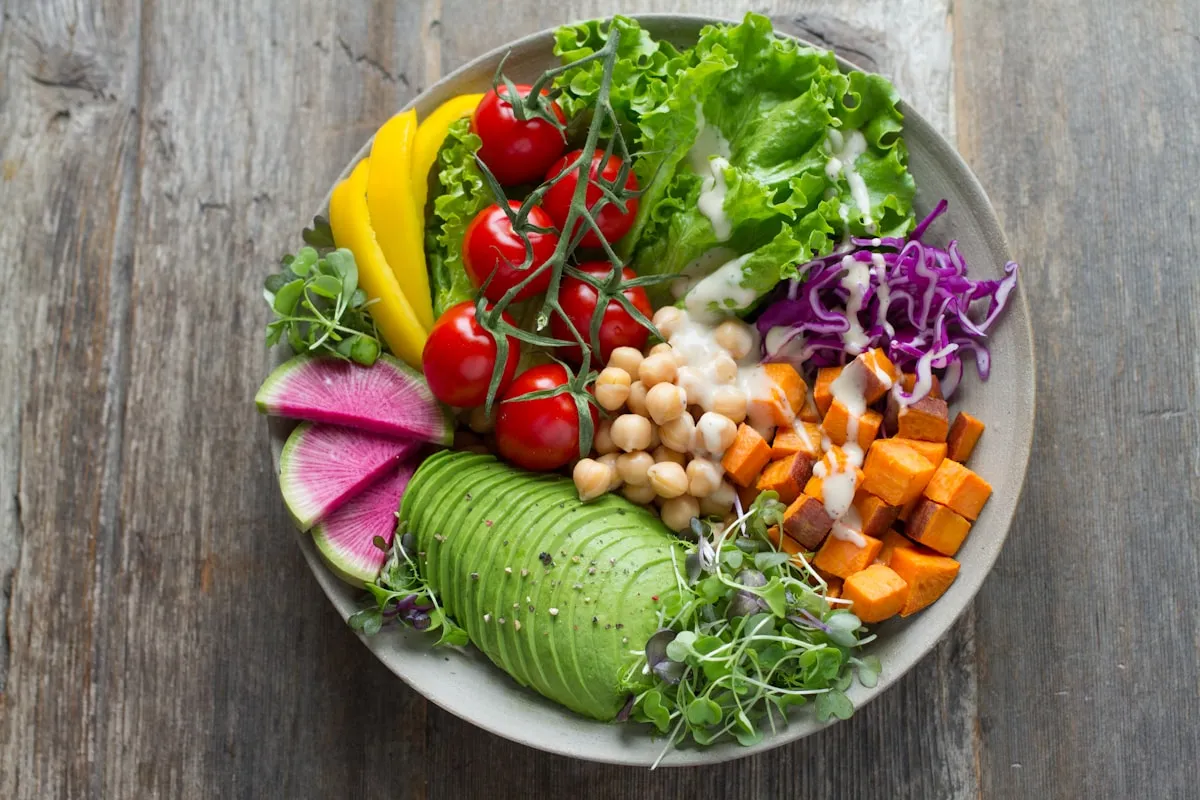
If you want that restaurant-quality grain separation, you have to understand the chemistry of the starch. When you cook rice, the starch molecules (amylose and amylopectin) gelatinize, absorbing water and becoming soft and sticky. If you try to fry freshly cooked rice, you’ll end up with a steaming, mushy pile of regret. Instead, use rice that has spent at least 12 hours in the fridge.
During this chilling period, a process called starch retrogradation occurs. The starch chains realign into a firmer, crystalline structure. This makes the grains more resilient and less prone to breaking. More importantly, the surface of the rice dries out through moisture migration. A dry surface is your best friend because it allows the oil to coat each individual grain. This coating is the secret to achieving the Maillard reaction: that beautiful browning that creates nutty, roasted flavors. Without that dry surface, your rice just steams in its own moisture instead of frying.
Speaking of frying, high heat is your primary tool. You need your pan screaming hot: ideally between 375°F and 450°F. This temperature is where the Maillard reaction really takes off. When you toss your rice into the pan, don't stir it constantly. Press the rice down into an even layer and leave it alone for a minute or two. This "press and wait" technique creates those coveted crispy, scorched bits (known in Korea as nurungji) that provide a textural contrast to the soft kimchi.
The kimchi itself is a fermented powerhouse of lactic acid. As kimchi ages, the bacteria (like Lactobacillus) convert sugars into acids and umami compounds. For the best flavor, use the "ugly" kimchi at the back of your fridge: the stuff that’s extra sour and pungent. This high acidity is essential because it cuts through the richness of the oil. However, you must manage the moisture. Squeeze the kimchi juice out before it hits the pan. Sauté the chopped cabbage first to evaporate excess water and concentrate the sugars. This ensures your quick healthy meals stay crisp, not soggy. If you’re looking to master other high-impact textures, check out our guide on achieving the perfect glossy sauce.
Elevated Variations: Beyond the Basics
While the base of kimchi and rice is iconic, you can easily pivot this dish to suit your mood or what’s left in your pantry. If you’re looking for more plant-based dinner ideas, consider adding a protein boost. Smoked tofu is a personal favorite; its firm texture and woody aroma mimic the traditional addition of bacon or ham perfectly. Simply dice it small and sear it alongside the kimchi to get those edges crispy.
For a grain-free or lower-carb twist, you can swap half the rice for finely chopped cauliflower or broccoli "rice." The science remains the same: keep it dry. If you use frozen cauliflower rice, thaw it and squeeze it in a kitchen towel first. The lack of starch means you won't get the same retrogradation, but you’ll still benefit from the high-heat browning of the kimchi.
Mushrooms are another incredible variation. Shiitake or oyster mushrooms provide a massive umami hit that complements the fermented tang of the kimchi. Sauté the mushrooms separately first to release their water and brown them properly before folding them into the rice. If you want to keep things firmly in the realm of quick family meals, try tossing in some frozen peas or corn at the very end. The residual heat will warm them through, adding pops of sweetness that balance the heat of the gochujang.
Perfect Side Dish Pairings
Balance is everything in a soulful meal. Since kimchi fried rice is heavy on salt, acid, and spice, your side dishes should provide a cooling or creamy contrast. A simple smashed cucumber salad with rice vinegar and a touch of sugar is the classic choice. The watery crunch of the cucumber resets your palate between spicy bites.
If you’re looking for something warmer, a silken tofu "soup": which is really just silken tofu warmed in a light vegetable broth with a dash of soy: provides a silky, protein-rich counterpoint. For those who love their kitchen gadgets, pairing this with air fryer recipes dinner style can be a game-changer. Try some quick air-fried broccolini or snap peas; the dry, intense heat of the air fryer gives them a charred flavor that matches the "wok hei" of the fried rice. If you need inspiration for your air fryer, our sausage and pepper medley is a great example of how to get the most out of that machine for healthy dinner ideas.
FAQ: Mastering the "What Ifs"
What if I don't have day-old rice?
Don't panic. Cook a fresh pot of rice with slightly less water than usual (aim for a 1:1.25 ratio). Once it's done, spread it out on a large baking sheet and put it in front of a fan or in the fridge uncovered for 20 minutes. This mimics the surface drying effect of overnight storage. Avoid using "mushy" rice at all costs; it will never fry, it will only clump.
Can I use freshly made kimchi?
You can, but the flavor will be flatter. Fresh kimchi is more like a salad; it hasn't developed the deep lactic acid tang needed to flavor the rice. If your kimchi is young, add a teaspoon of rice vinegar or lime juice to the pan to simulate that aged acidity. This is a crucial step for maintaining the profile of quick healthy meals without waiting weeks for fermentation.
Why is my fried rice sticking to the pan?
This usually happens for two reasons: either the pan wasn't hot enough when you added the rice, or you didn't use enough oil. The oil acts as a barrier, preventing the starches from bonding to the metal. If you’re using a stainless steel pan, look up the "Leidenfrost effect": you want water droplets to dance on the surface before adding your oil. If you want a more foolproof method, use a well-seasoned cast iron or a non-stick skillet.
Is gochujang necessary?
It's not strictly mandatory, but it's the secret to that deep, red glow and sweet-spicy backbone. If you don't have it, a mix of sriracha and a pinch of brown sugar can work in a pinch, though you’ll miss the fermented depth of the bean paste. For more comfort-focused swaps, see how we handle flavor layers in our kielbasa and pierogi roast.
How do I make it more filling for a family?
To turn this into one of those quick family meals that satisfies everyone, focus on "bulk" without "weight." Double the amount of tofu or add a side of steamed edamame. You can also serve it in large lettuce wraps (Ssam style) which adds volume and a fresh crunch without making the meal feel heavy.
{“faq”:{“@type”:”FAQPage”,”mainEntity”:[{“name”:”What if I don’t have day-old rice?”,”@type”:”Question”,”acceptedAnswer”:{“text”:”Cook fresh rice with less water, spread it on a tray, and chill it uncovered for 20 minutes to dry the surface.”,”@type”:”Answer”}},{“name”:”Why is my fried rice sticking to the pan?”,”@type”:”Question”,”acceptedAnswer”:{“text”:”This usually happens because the pan wasn’t hot enough or there wasn’t enough oil to create a non-stick barrier for the starches.”,”@type”:”Answer”}}]},”@type”:”BlogPosting”,”image”:”https://cdn.marblism.com/c3HFKerTvMK.webp”,”author”:{“name”:”Penny”,”@type”:”Person”},”@context”:”https://schema.org”,”headline”:”Soulful Plant-Based Kimchi Fried Rice (10 Min)”,”keywords”:”plant-based dinner ideas, quick healthy meals, kimchi fried rice, healthy dinner ideas”,”publisher”:{“logo”:{“url”:”https://cookpedia.com/logo.png”,”@type”:”ImageObject”},”name”:”Cookpedia”,”@type”:”Organization”},”description”:”Master the art of 10-minute plant-based kimchi fried rice. Learn the science of starch retrogradation and the Maillard reaction for the perfect crispy, soulful meal.”,”datePublished”:”2026-06-09″,”articleSection”:”Recipes”,”mainEntityOfPage”:{“@id”:”https://cookpedia.com/soulful-plant-based-kimchi-fried-rice”,”@type”:”WebPage”}}