Recipe
Servings
Servings 1×
Ingredients
- Chicken
- Shrimp
- Orzo
- Pasta
- Rice
- Bread
- Spinach
- Peas
- Lemon
- Cream
- Hard cheese
- Feta
- Butter
- Cooking oil
Method
- Use a high-quality fat: either a rich butter or a peppery olive oil: and stir the dry grains over medium heat.
- Use a vigorous stir to emulsify that fat into the starchy cooking liquid.
- Use the zest early and often.
There is a specific kind of magic that happens when you stop fighting your kitchen and start working with it. If you’re anything like me, your weeknights are a balancing act of deadlines and actual life, leaving very little room for three-course marathons. That’s why I’ve become obsessed with the minimalist art of one pot meals. This Lemon Herb Orzo is the ultimate expression of that philosophy: it’s soulful, vibrant, and requires exactly one pan to wash. It’s the kind of cooking that makes quick family meals feel like a deliberate choice rather than a rushed compromise.
The Alchemy of Orzo Starch
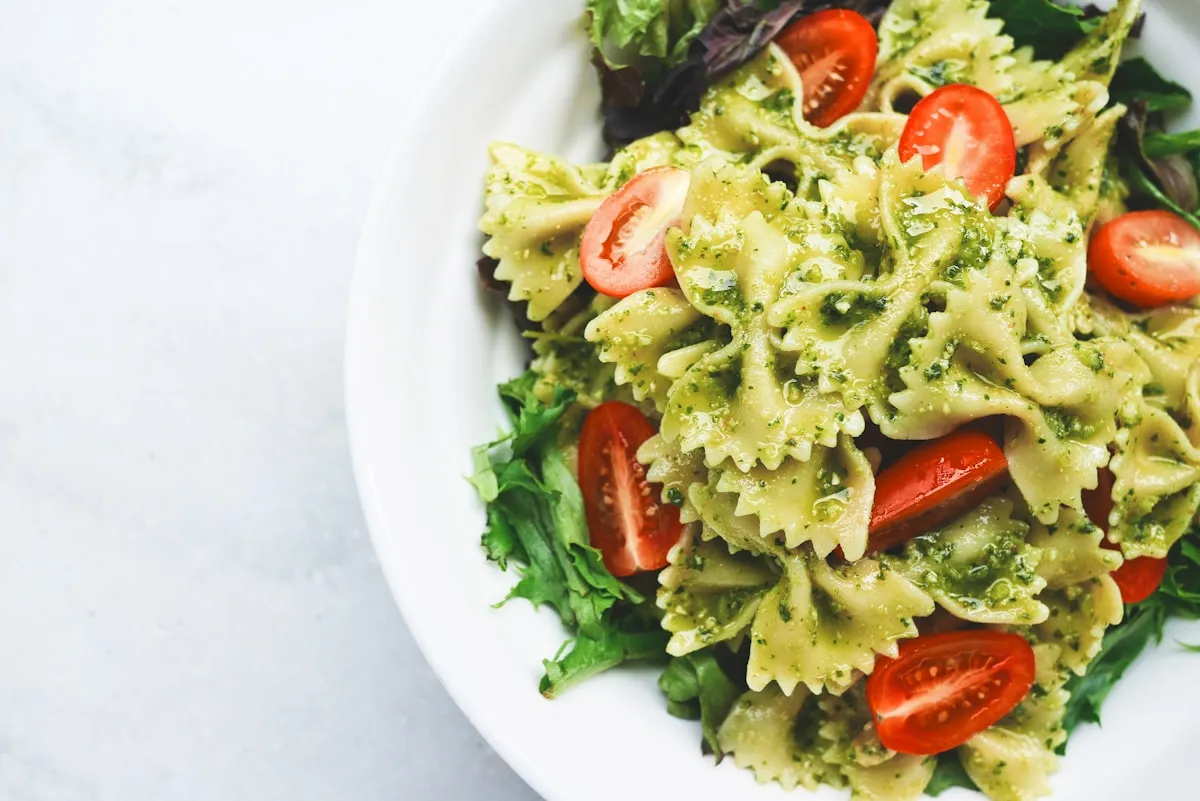
To master this dish, you have to understand what orzo actually is. It looks like rice, but it’s pasta. This identity crisis is its greatest strength. Unlike traditional pasta that you boil and drain, orzo thrives when treated like a risotto. When you cook it directly in a measured amount of broth, you aren’t just softening the grain; you are creating a sauce.
The Power of the Toast
Before you add a single drop of liquid, you must toast your orzo. Use a high-quality fat: either a rich butter or a peppery olive oil: and stir the dry grains over medium heat. This does two things: it triggers the Maillard reaction, giving the pasta a subtle, nutty depth, and it coats each individual grain in fat. This lipid barrier is crucial. It slows down water penetration, ensuring your orzo stays al dente and distinct rather than turning into a gummy, over-starched porridge. If you’ve ever wondered why some one pot meals feel heavy while others feel elegant, the secret is usually in the initial toast.
Gelatinization and Emulsion
As the broth simmers, the orzo releases its surface starches into the liquid. This is "liquid gold." Because we aren’t draining the water away, that starch acts as a natural thickener. As the liquid reduces, it forms a glossy, creamy coating that clings to every grain. To perfect the texture, add a final knob of butter or a splash of cream right at the end. Use a vigorous stir to emulsify that fat into the starchy cooking liquid. This creates a luxurious mouthfeel without the need for a heavy roux. If you enjoy this technique, you should check out my guide on achieving the perfect glossy sauce for other pasta varieties.
Zest vs. Juice: Timing the Brightness
Lemon is the soul of this dish, but you can’t just squeeze it in and hope for the best. Chemistry tells us that lemon juice and lemon zest are two entirely different ingredients.
Use the zest early and often. The zest contains essential oils like limonene, which are highly aromatic but not acidic. Adding half of your zest while the orzo simmers allows those oils to infuse the pasta from the inside out. Save the juice for the very end. The citric acid in the juice is volatile and can turn metallic or "flat" if boiled for too long. Adding a fresh squeeze of juice right before serving cuts through the richness of the starch and brightens the entire palate.
Avoid adding dairy: like parmesan or a splash of cream: at the same time as a heavy amount of lemon juice while the pan is over high heat. The acid can cause the proteins in the dairy to clump and curdle. Always take the pan off the heat before the final "brightening" phase to ensure a silky-smooth finish.
Soulful Variations
While the base of lemon and herb is a classic, this recipe is a canvas for healthy dinner ideas. If you want to lean into a Mediterranean profile, stir in a handful of baby spinach and some crumbled feta during the last two minutes of cooking. The residual heat will wilt the greens perfectly without turning them to mush.
For those who need a bit more "heft," seared shrimp or shredded rotisserie chicken can be folded in at the end. If you’re keeping it plant-based, frozen peas are a non-negotiable for me. They provide a pop of sweetness that balances the sharp lemon. Just remember: if you add more "stuff," you might need a tiny splash more broth to keep the consistency loose and flowing.
Side Dish Pairings
Because this orzo is rich and creamy, you want side dishes that offer high-contrast textures. A crisp green salad with a sharp white wine vinaigrette is the traditional choice, but I often look toward my air fryer for something more substantial.
Consider pairing this with roasted vegetables that have a bit of "snap." Asparagus or thinly sliced zucchini work beautifully. If you’re looking for more air fryer recipes dinner inspiration, you might try a side of roasted peppers and onions or even some kielbasa bites if you want to break the "minimalist" rules for a night. The dry, circulating heat of an air fryer provides a charred, crispy edge that balances the soft, pillowy nature of the orzo.
FAQ: Solving the Orzo Equation
Why did my orzo turn out mushy?
You likely skipped the toasting phase or used too much liquid. Orzo is small and cooks fast. If it sits in too much water for too long, the starch granules burst and create a gluey mess. Use a 1:2 ratio of orzo to liquid as a starting point, and keep the simmer gentle. If it looks dry before it's tender, add liquid in tiny 1/4 cup increments.
Can I use water instead of broth?
You can, but you shouldn’t. Since the orzo absorbs all the liquid in the pan, that liquid is your primary source of flavor. Water will leave you with a bland dish that requires an aggressive amount of salt to fix. Use a high-quality vegetable or chicken stock to ensure every grain is seasoned to the core.
My herbs lost their color. What happened?
You added them too early. Tender herbs like parsley, dill, and mint are heat-sensitive. Their chlorophyll breaks down and turns brown under sustained heat. Stir them in after you’ve turned off the stove. Woody herbs like thyme or rosemary, however, can be added earlier to let their oils release into the fat.
Is this dish good for meal prep?
Orzo is notorious for continuing to absorb liquid as it sits. If you plan to eat this the next day, it will likely be a solid block. To revive it, add a splash of water or broth and heat it gently on the stove, stirring until it regains its creamy, "risotto-like" flow.
Can I make this gluten-free?
Absolutely. There are several high-quality cassava or chickpea-based "orzo" alternatives on the market. Just be aware that their starch content differs significantly from wheat pasta. They often release less starch, so you might need a little extra cheese or a touch of butter to achieve the same creamy finish.
{“@type”:”BlogPosting”,”image”:”https://cdn.marblism.com/9M7sSb42gvQ.webp”,”author”:{“name”:”Penny”,”@type”:”Person”},”@context”:”https://schema.org”,”headline”:”Soulful Simplicity: One-Pot Lemon Herb Orzo”,”publisher”:{“logo”:{“url”:”https://cdn.marblism.com/r31hCYxu5lk.webp”,”@type”:”ImageObject”},”name”:”Cookpedia”,”@type”:”Organization”},”articleBody”:”There is a specific kind of magic that happens when you stop fighting your kitchen and start working with it… [full content truncated for schema]”,”description”:”Master the art of the 15-minute one-pot meal with this creamy, soulful lemon herb orzo. Learn the science of toasting pasta and balancing acidity for the perfect quick dinner.”,”datePublished”:”2026-06-06″}